Quarry Saw O&M Guide: SOPs, Checklists & Top 10 Fixes
lizzy·Nov 21, 2025·5 MIN READ
lizzy·Nov 21, 2025·5 MIN READ
Follow clear SOPs and maintenance schedules for your quarry cutting machine, with safety compliance and field-proven tips.
TL;DR: Operator & Maintenance Essentials
Daily Routine: Start every day with a 5-minute SOP: inspect blades, check fluids, and test the E-stop. This prevents most common issues.
Maintenance is Prevention: Follow a strict daily, weekly, and monthly lubrication and calibration schedule to ensure longevity and precision.
Safety First: Always follow lock-out/tag-out procedures for maintenance and comply with all regional safety standards for silica dust, like those from OSHA and HSE.
For operators and maintenance teams, the goal is simple: achieve clean, safe, and repeatable cuts. A consistent maintenance schedule is the backbone of a high-performing sandstone cutting machine. This guide provides actionable Standard Operating Procedures (SOPs) and troubleshooting flows to minimize downtime.
What Are the Essential Standard Operating Procedures (SOPs)?
Follow these checklists for key operations to ensure consistency and safety.
Daily Start-Up Checklist (5 Minutes)
Inspect the 100 m track for debris or looseness.
Check hydraulic oil levels and look for visible leaks.
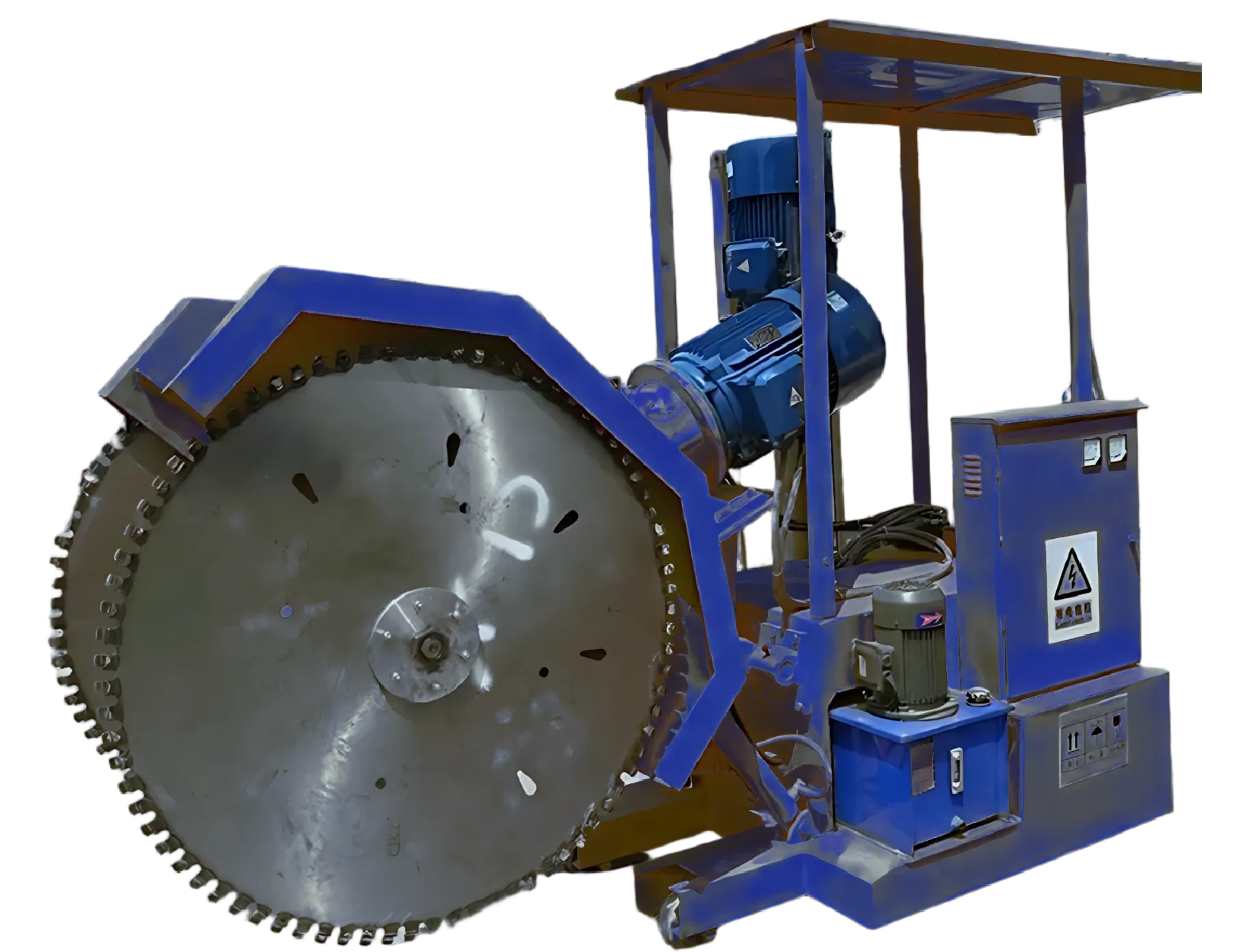
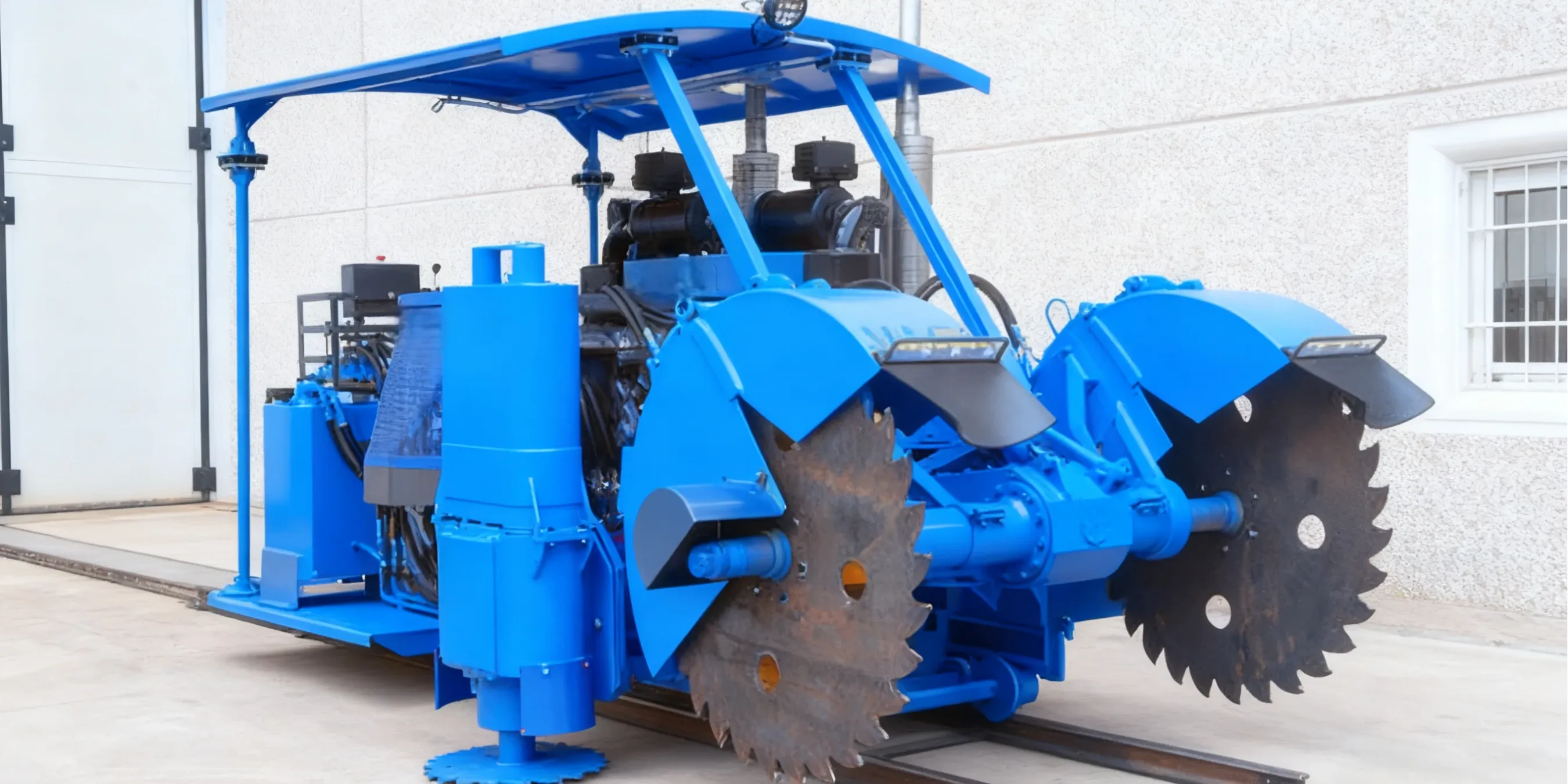
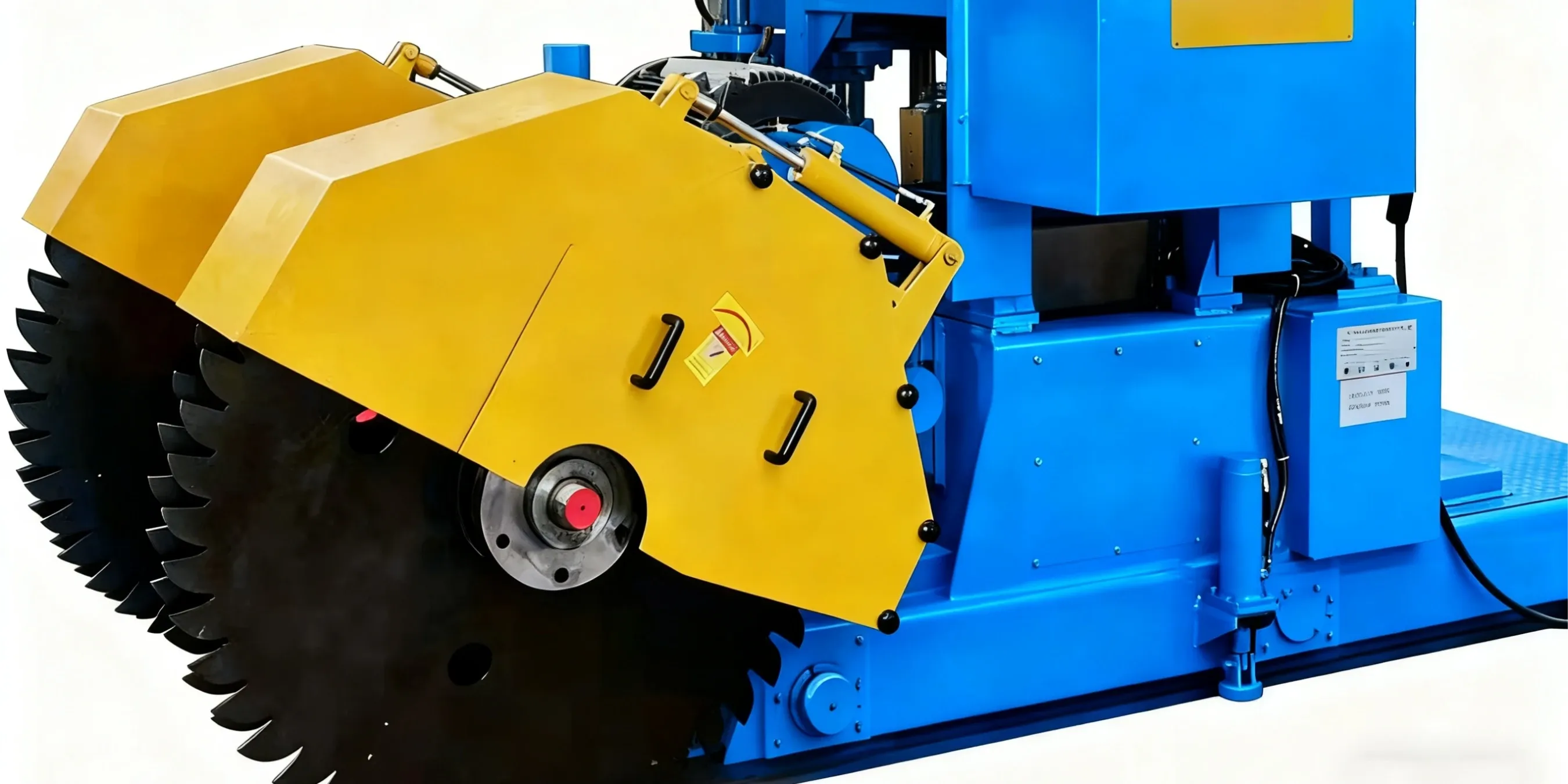
Verify blades (Ø1330 mm / Ø600 mm) are secure with no missing segments.
Power on and confirm all controls in the operator cabin are responsive.
Test the emergency stop button before beginning any cuts.
Blade Changeover Procedure
Lock out and tag out all power sources.
Use the provided tool to loosen the blade flange bolts.
Mount the new blade, ensuring correct seating and rotation direction.
Tighten flange bolts to the torque specified in the User Manual.
Cutting too fast / Dull blade → Main motor trips → Reduce speed / Replace blade → Operate within material limits.
What Is the Recommended Maintenance Schedule?
Daily
Clean machine of dust.
Inspect blades for damage.
Check hydraulic fluid levels.
Lubricate traction wheel bearings.
Weekly
Check track bolt torque.
Inspect all hydraulic hoses.
Calibrate blade alignment (90°).
Lubricate blade spindle bearings.
How Do We Ensure Safety & PPE Compliance?
Operating any quarry stone cutting machine requires strict adherence to safety compliance rules, especially regarding respirable crystalline silica (RCS) dust.
USA (OSHA): According toOSHA 1910.1053,the permissible exposure limit (PEL) for RCS is 50 µg/m³ over an 8-hour average. Employers must use engineering controls (like wet cutting) and provide appropriate PPE.
Engineering Controls (NIOSH): Guidance from NIOSH strongly recommends wet cutting via water spray systems as the primary method for dust suppression at the source.
UK (HSE): The HSE's Quarries ACOP outlines legal requirements for health and safety in UK quarries, mandating risk assessments and the use of controls to manage hazards like silica dust.
Frequently Asked Questions (FAQ)
What are the top 3 things to check before the first cut of the day?
Visually inspect the blades, check hydraulic fluid levels, and test the emergency stop button.
Context : This 5-minute daily check is the most effective way to prevent common start-up issues.
Boundaries: Do not operate if any check fails. A damaged blade or faulty E-stop is a critical safety risk.
Next Steps: Make this a mandatory, logged part of your daily start-up SOP.
How do I switch from cutting hard sandstone to softer limestone?
Reduce the travel speed via the control panel.
Context & Parameters: Adjust the speed from the sandstone range (e.g., 25-35 m/min) down to the limestone range (e.g., 15-25 m/min) to prevent chipping.
Boundaries: The same blades can be used, but running at high speed in soft stone will compromise edge quality.
Next Steps: Always perform a short test cut after changing material types to confirm the new speed is appropriate.
How can I verify right-angle consistency in the quarry?
Use a large, heavy-duty framing square after making a test cut.
Context & Parameters: Place the square snugly into the corner created by the cut. If you see a gap, the head needs recalibration.
Boundaries: This check is only as accurate as your square; use a certified tool. This should be done weekly.
Next Steps: If misaligned, refer to the user manual for the head alignment bolt adjustment procedure.
How do we keep respirable silica below legal limits?
Use engineering controls (wet cutting) and personal protective equipment (PPE).
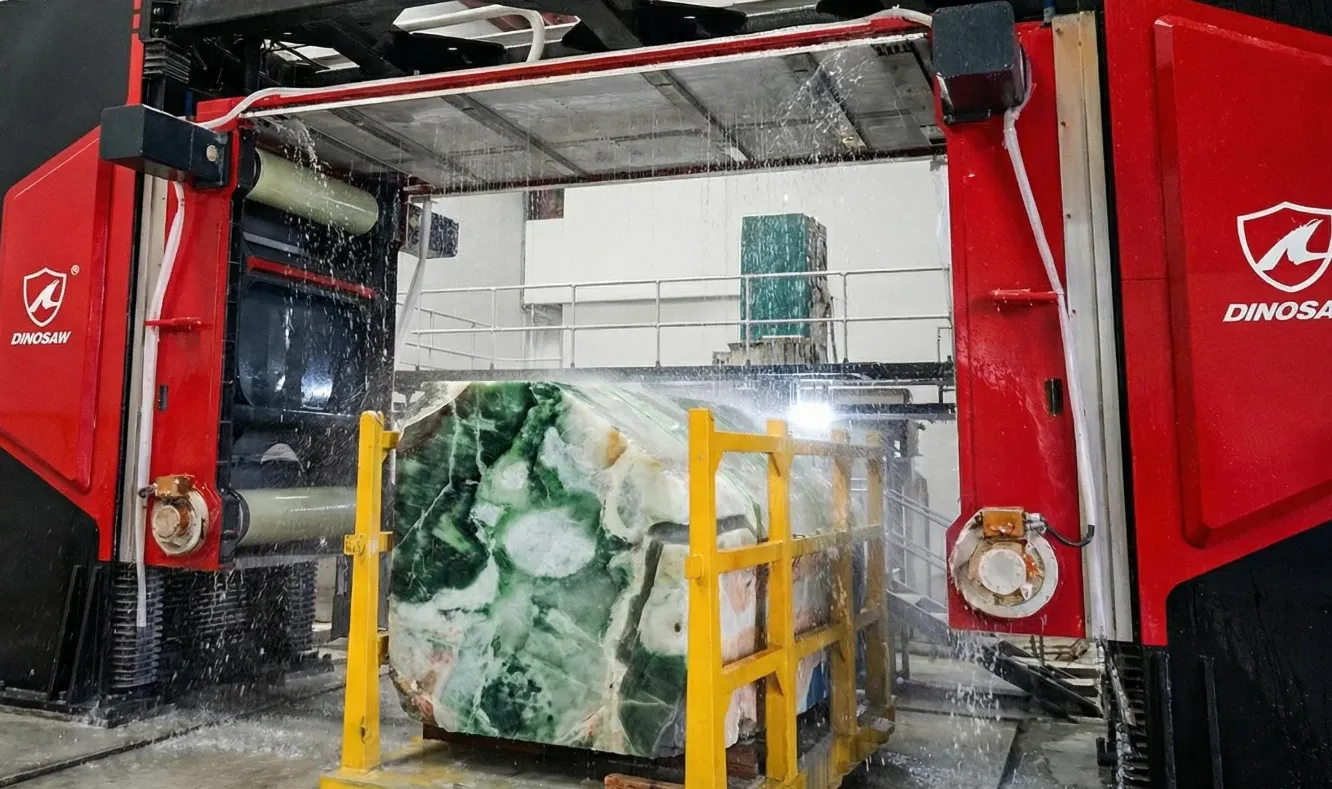
Context & Parameters: The integrated water spray system is the most effective engineering control, suppressing dust at the source.
Boundaries: All personnel in the cutting area must wear properly fitted respirators (N95/FFP2 or better). Compliance with local laws is non-negotiable.
Next Steps: Review standards from NIOSH and your regional safety authority (e.g., OSHA) to create a site-specific dust control plan.
What training and spares should we budget for initially?
Budget for on-site training for at least two staff members and an initial package of consumable spare parts.
Context & Parameters: A "train the trainer" program for one lead operator and one maintenance tech is ideal. Key spares include a replacement set of blades, extra segments, and filters.
Boundaries: This ensures you are self-sufficient for common wear-and-tear issues, minimizing reliance on service calls.




 English
 中文
中文 Italian
 Português
 Español
 Deutsch
 العربية
 Tiếng Việt
 Français
 Русский






 Nov 21, 20255 MIN READ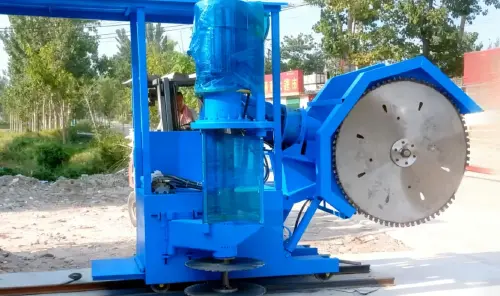
 Türkçe