





 中文
中文 Italian
 Türkçe
 Português
 Español
 Deutsch
 العربية
 Tiếng Việt
 Français
 Русский


Ms.Lizzy
Hi, this is Lizzy from Dinosaw ( Not a Robot ). Which Machine ( model ) do you want? Please WhatsApp us now


Open Hours:8:30am-20:30pm

WhatsApp: +86 198-5901-3937


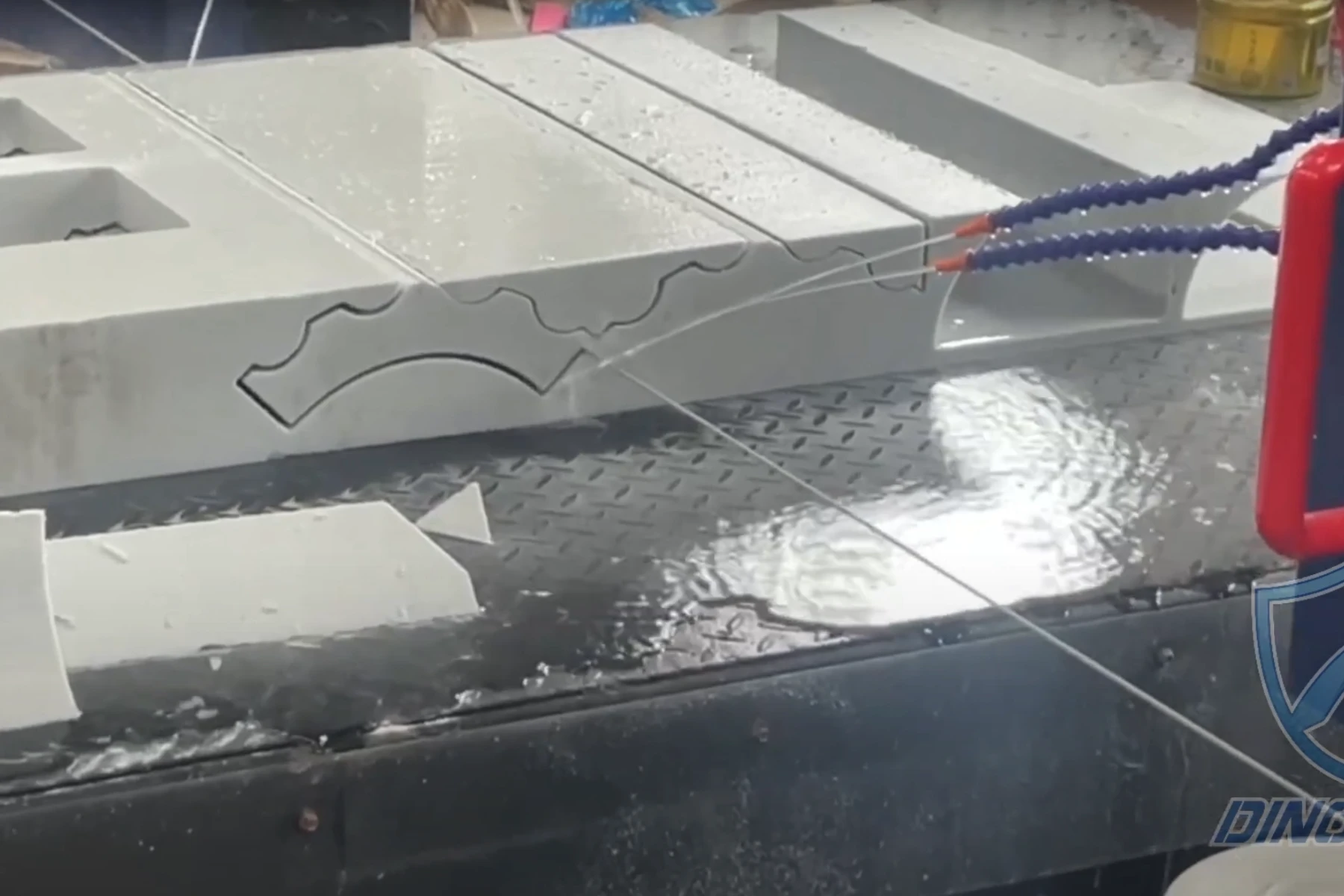
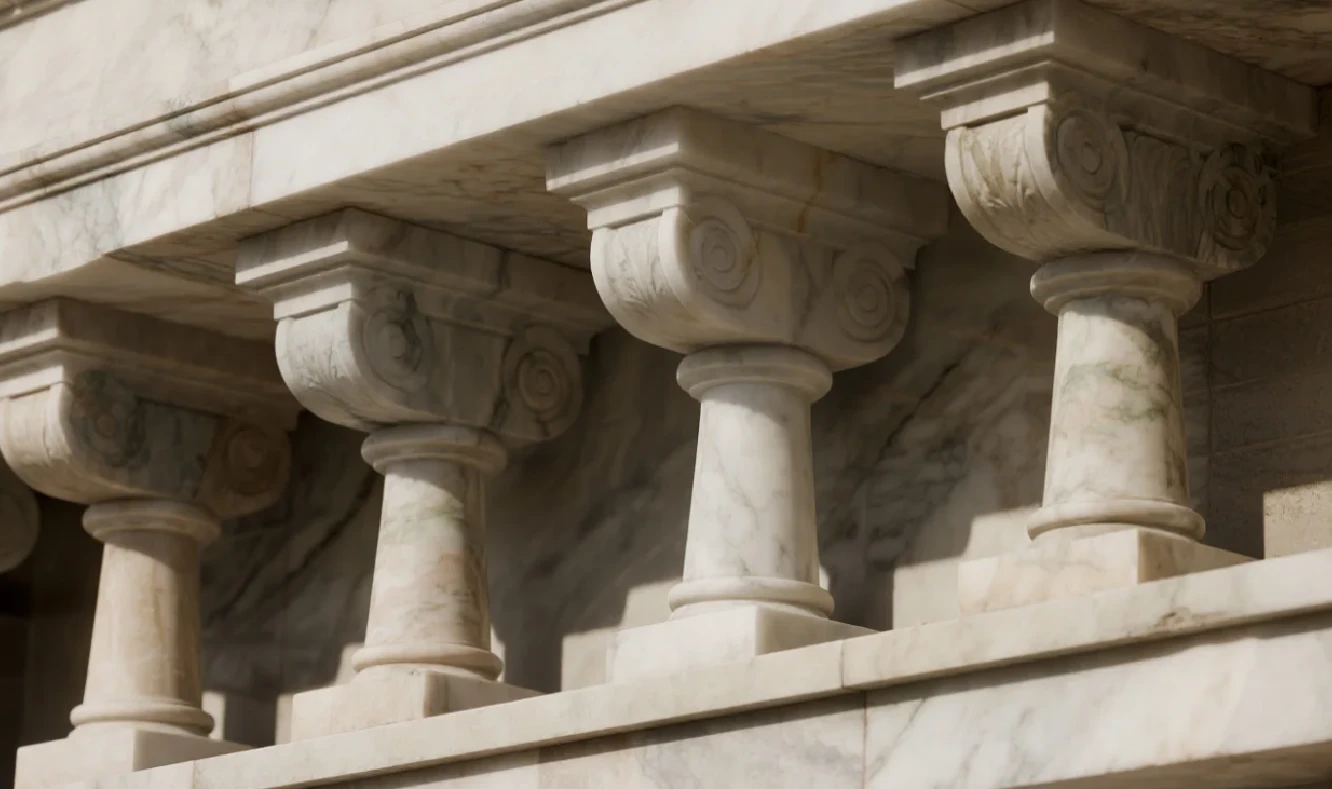
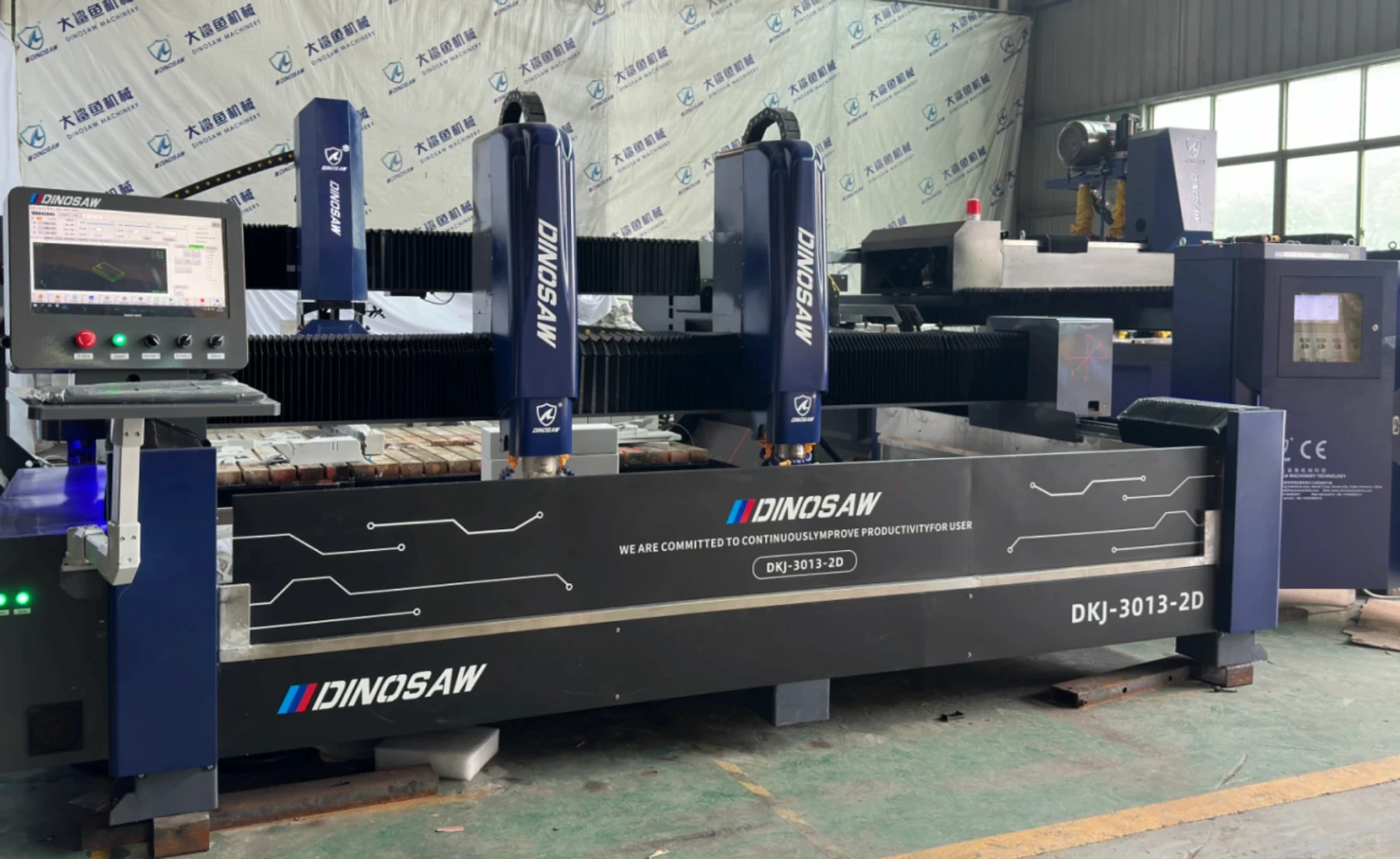
These CNC stone profiling machines shape architectural stone pieces—columns, balusters, bases/caps, and decorative profiles—for marble and granite processing. In many markets, they’re also called stone shaping machines; for round workpieces, buyers often search “CNC stone lathe.”
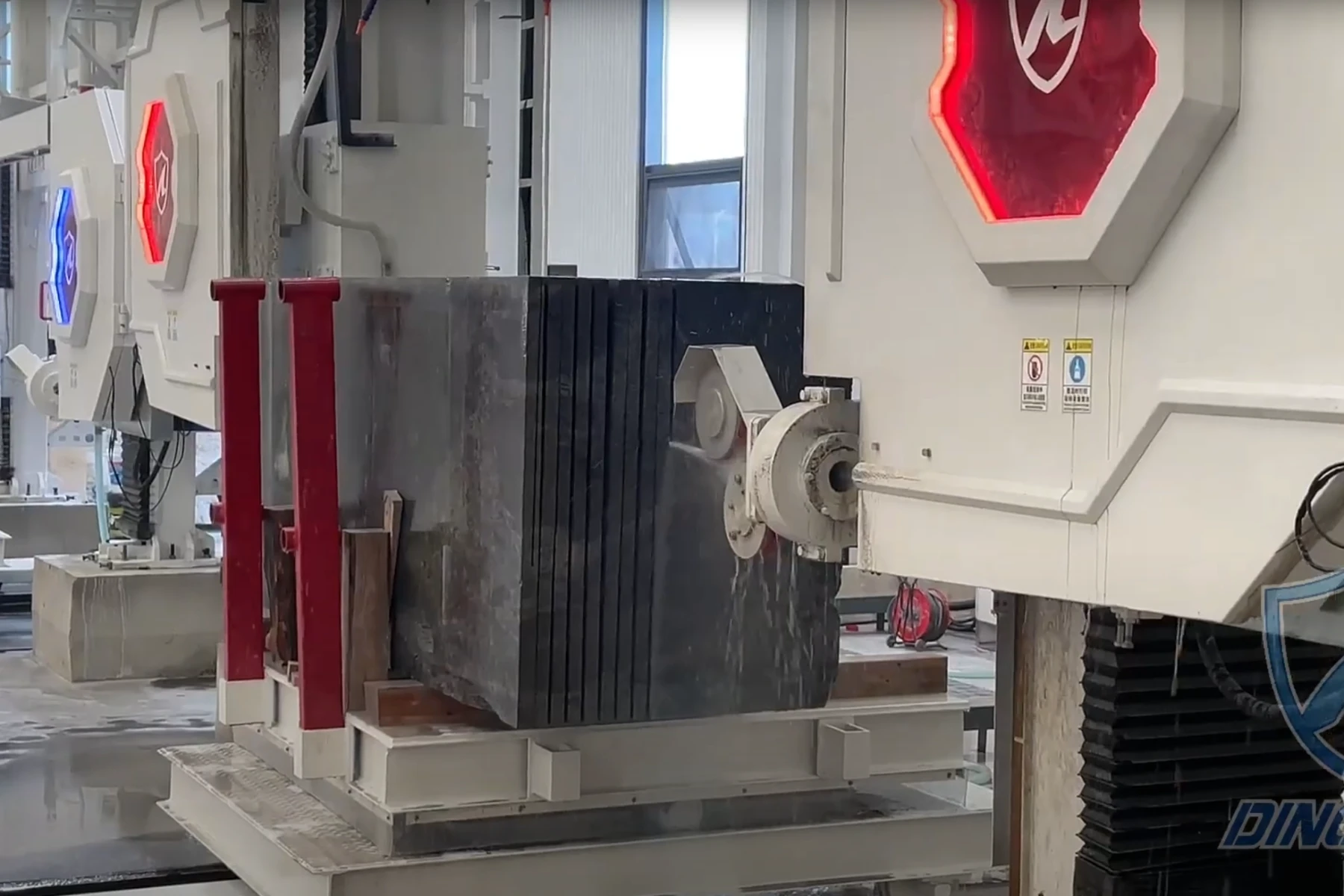
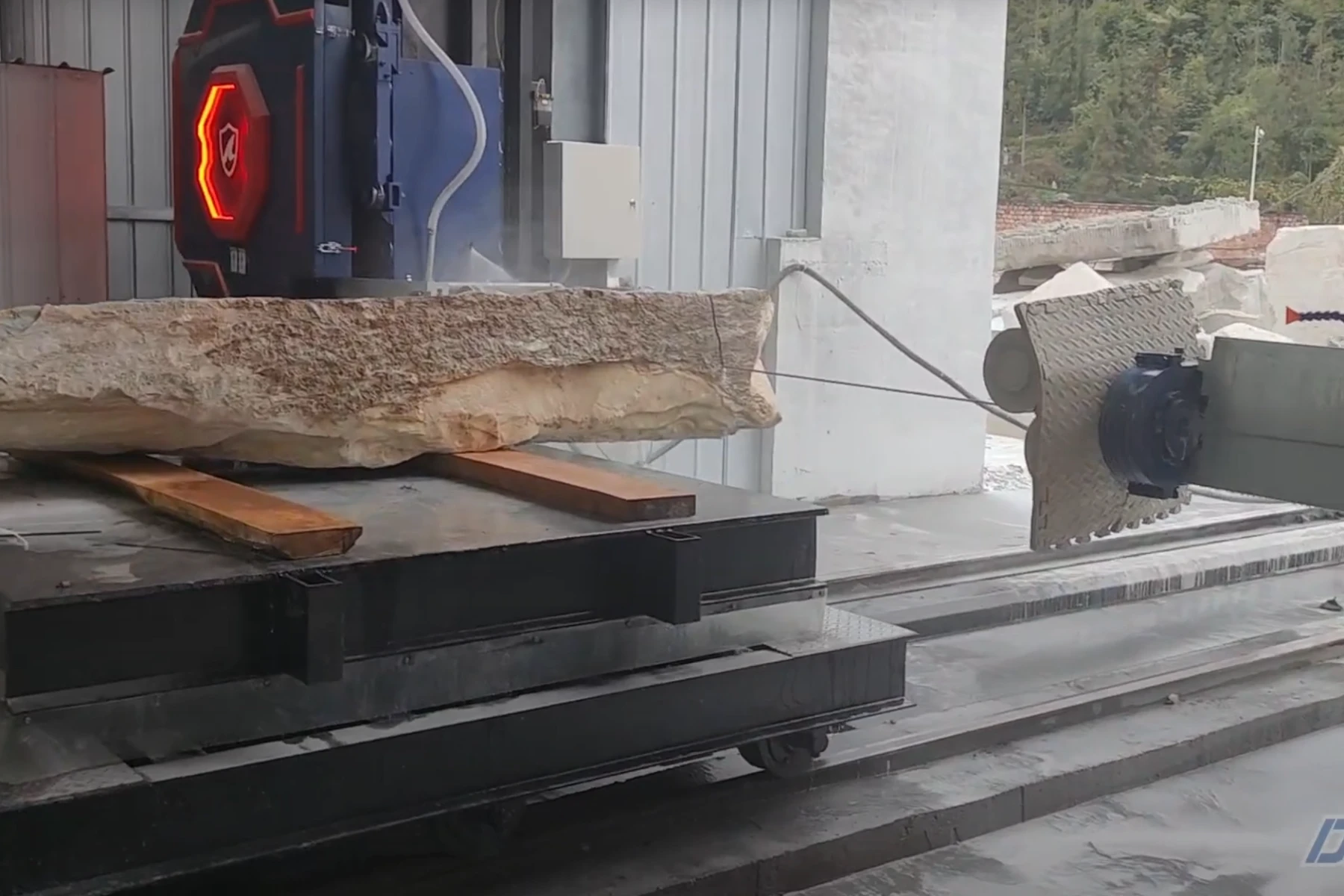
Discover Dinosaw’s versatile profiling machines, including bridge profiling machines, vertical models, and horizontal models. Designed for crafting Roman columns, balusters, decorative moldings, and more, these machines offer precision, efficiency, and advanced automation.
A stone profiling machine shapes architectural stone pieces by cutting or turning along a preset profile. Typical products include balusters, columns, bases/caps, spheres, and decorative profiles for marble and granite.
In English, it’s often described as a stone shaping machine. For round workpieces, buyers commonly search “CNC stone lathe.”
Main types
Lathe-type (turning): round balusters, columns, vases, spheres
Saw-based / linear profiling: square profiles, caps & bases, structured decorative shapes
Selection tip: choose by your main product shape (round vs non-rotating)

 6/5/25
 9/6/25
 2/14/25
 8/21/25
 9/14/25
 8/19/25
In architectural stonework, a “profiling machine” usually means shaping by cutting or turning to produce repeatable decorative geometry—balusters, columns, caps/bases, and linear moldings. In English markets, you’ll also hear stone shaping machine. For round turning work, buyers often search CNC stone lathe.
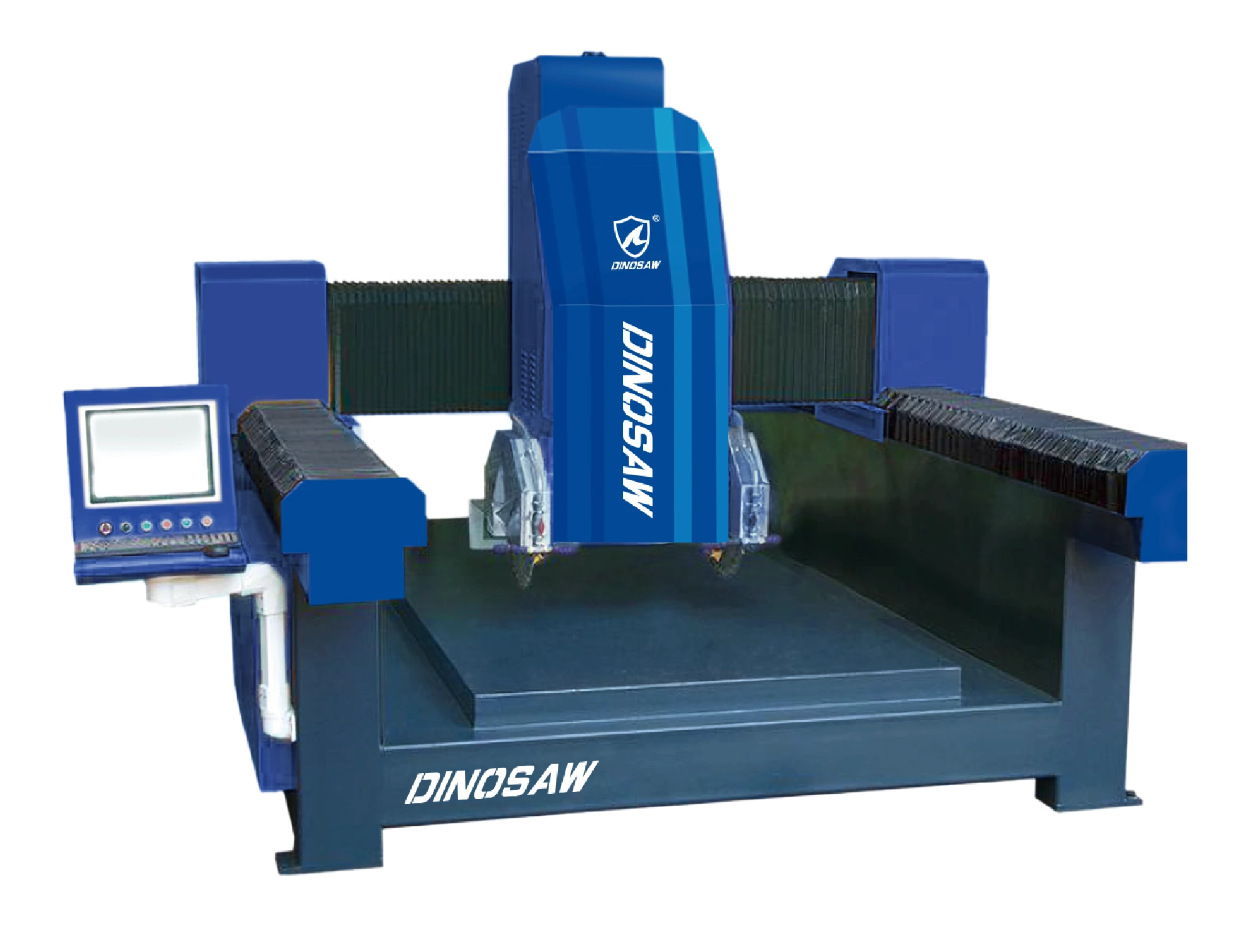
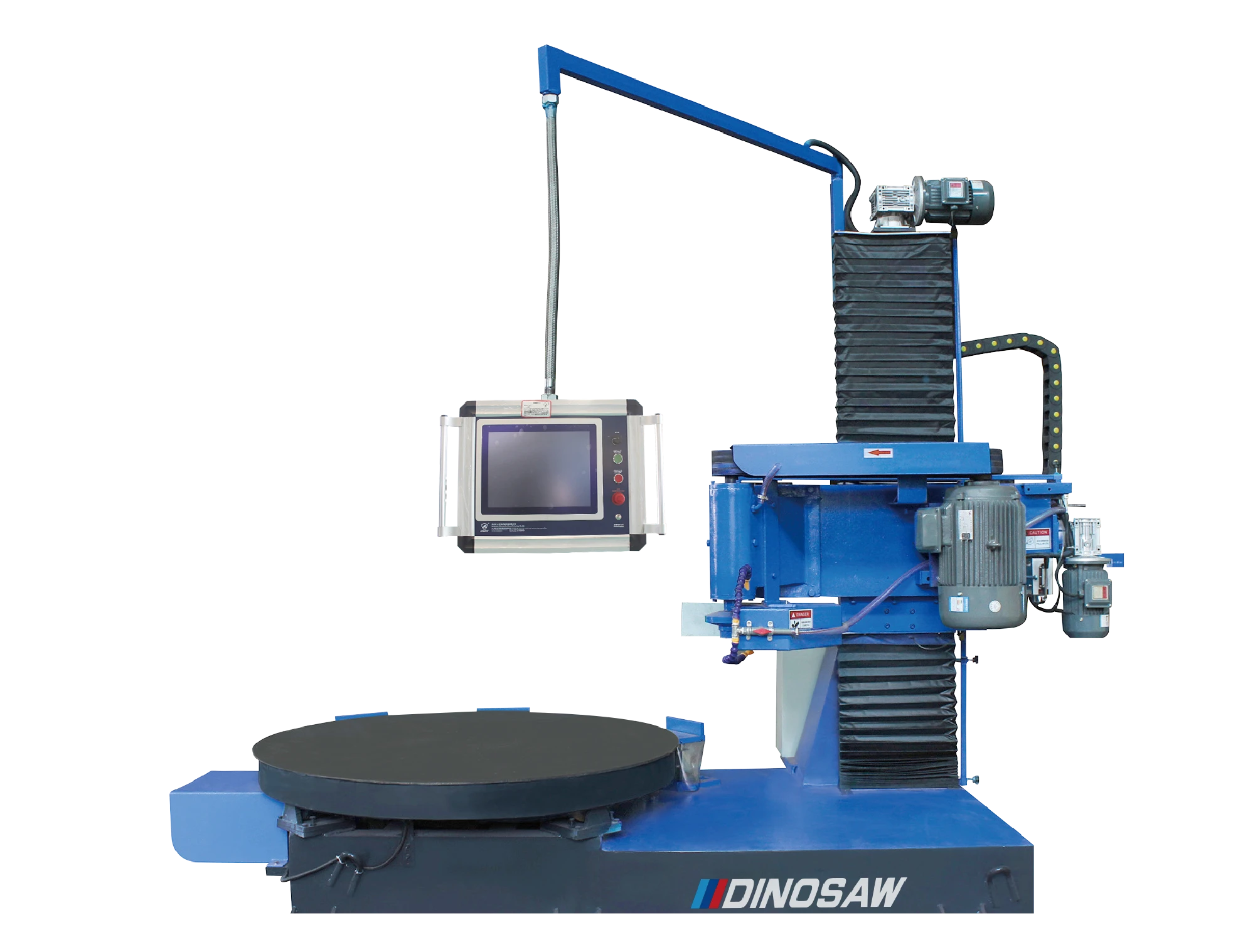
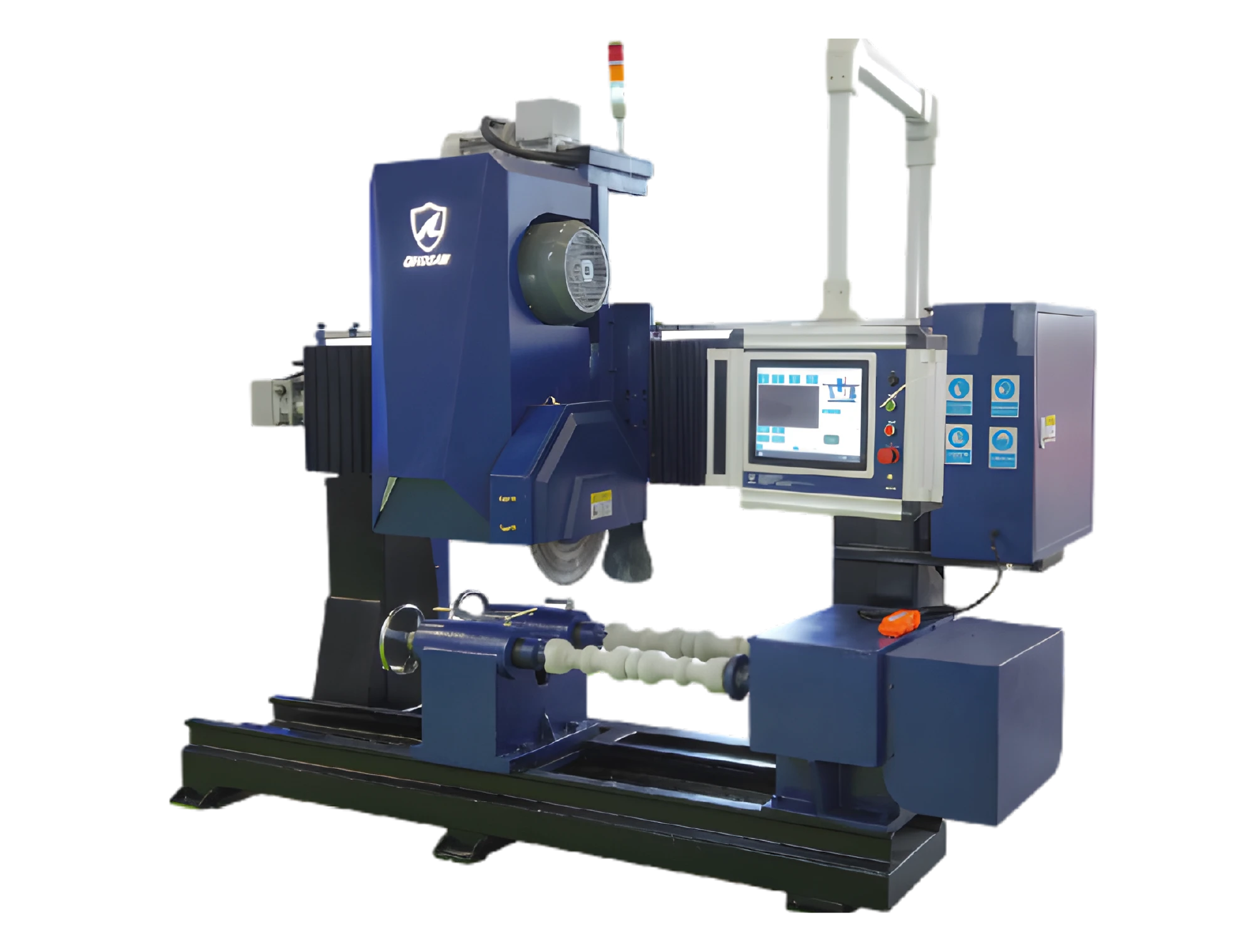
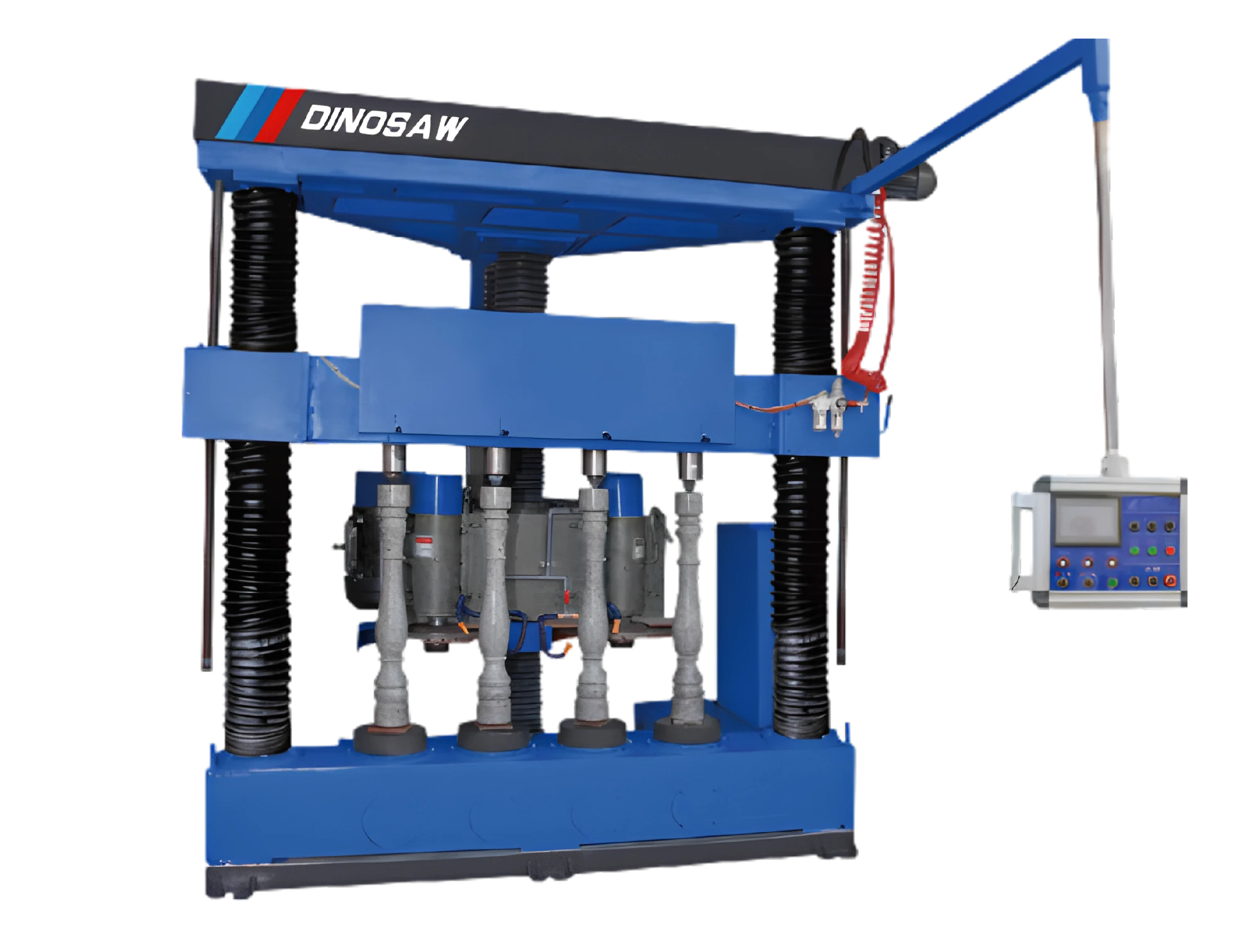
Recommended lineup on this page: Vertical 4-Workpiece Baluster Profiling Machine, Column Cap & Base Profiling Machine, Integrated CNC Stone Profiling Machine, CNC Stone Lathe Machine.
Send these items and you’ll avoid the #1 mistake: choosing by a generic name instead of real production constraints.
In many markets, it’s described as a stone shaping machine. If the profile is formed by rotating the workpiece, buyers commonly search CNC stone lathe or stone turning lathe. If the profile is formed on non-rotating parts (square/linear shapes), terms like linear profiling, profile shaping, or molding are also used depending on the process and the finished product.
The difference is the core forming method. A CNC stone lathe shapes by turning the workpiece—best for round, symmetrical parts (columns, round balusters, vases). A “profiling machine” category can include both turning models and linear/saw-based models. If your products must keep flat faces, corners, or square geometry, a linear/saw-based profiling model is usually the better fit than turning.
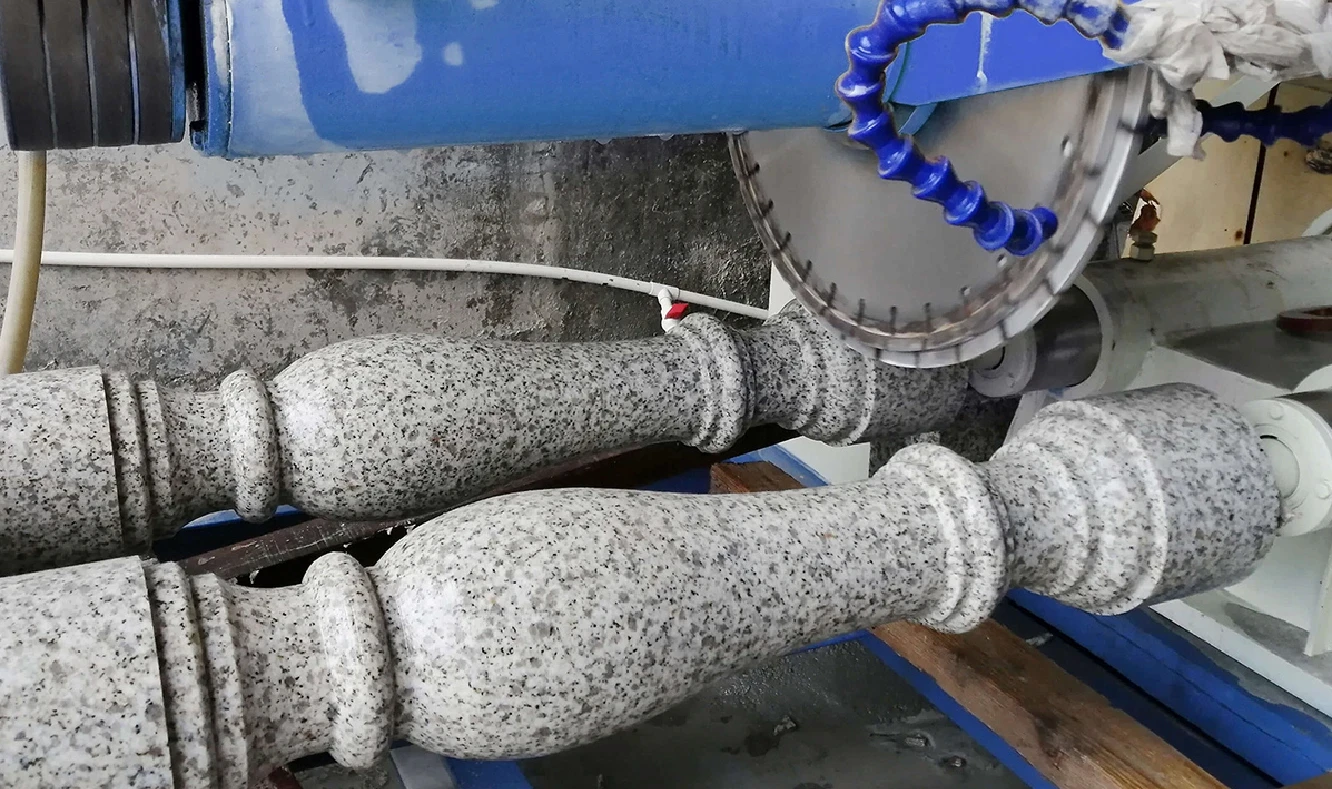
If you run repeat batches of smaller round pieces and want higher throughput, start with the Vertical 4-Workpiece Baluster Profiling Machine. If you need one flexible turning solution for mixed round products (custom + standard), use the CNC Stone Lathe Machine.
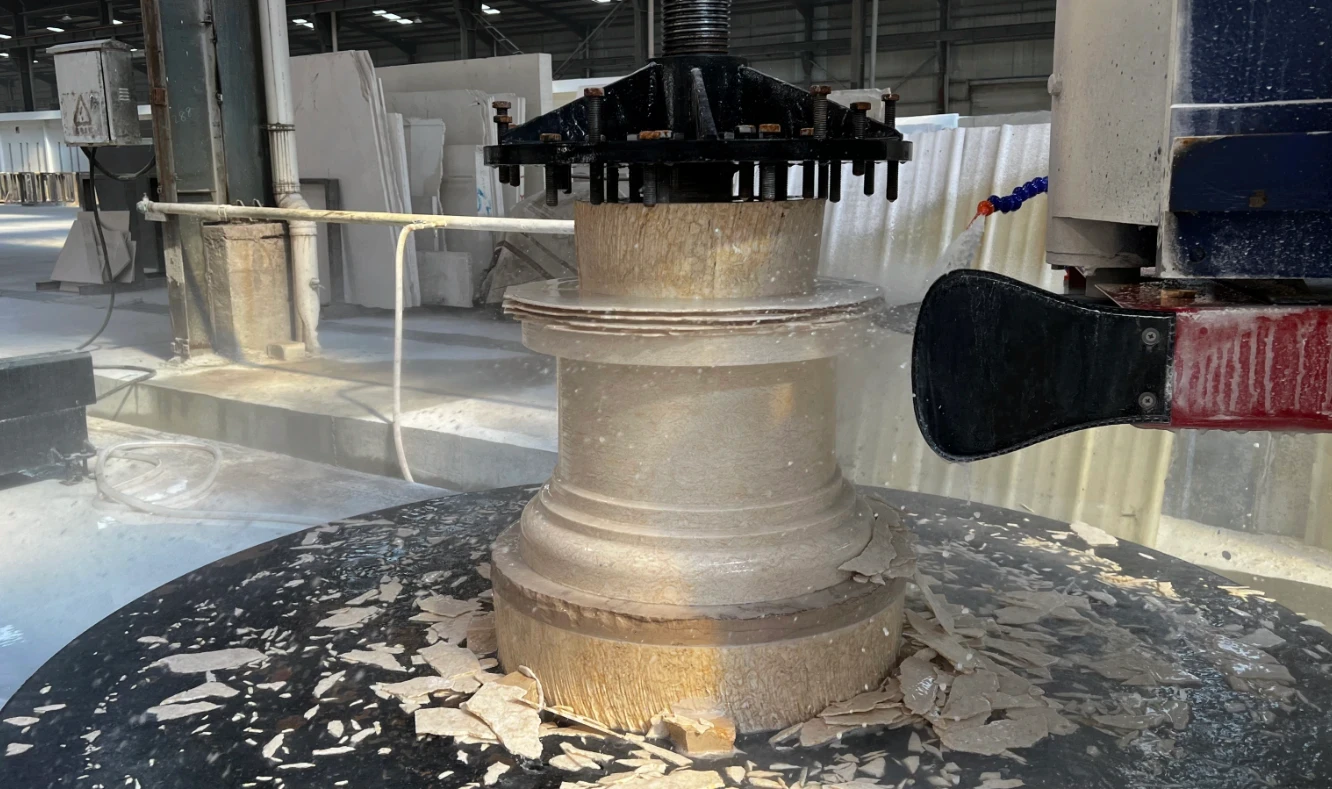
Choose a model designed around stability and vertical-lathe structure. The Column Cap & Base Profiling Machine is typically the right starting point when workpieces are heavier, larger, and require controlled 360° shaping.
Square/structured parts are usually better handled by linear/saw-based shaping that preserves faces and corners. Start with the Integrated CNC Stone Profiling Machine for consistent straight-line profiles and structured decorative geometry.
For occasional low-volume jobs, a single machine may cover part of the range—but for production, specialization is typically more efficient. Turning optimizes symmetry and repeatability on round parts; linear profiling optimizes corner definition and flat-face control on square/structured parts. If you produce both categories at scale, splitting equipment usually reduces setup time and rejects.
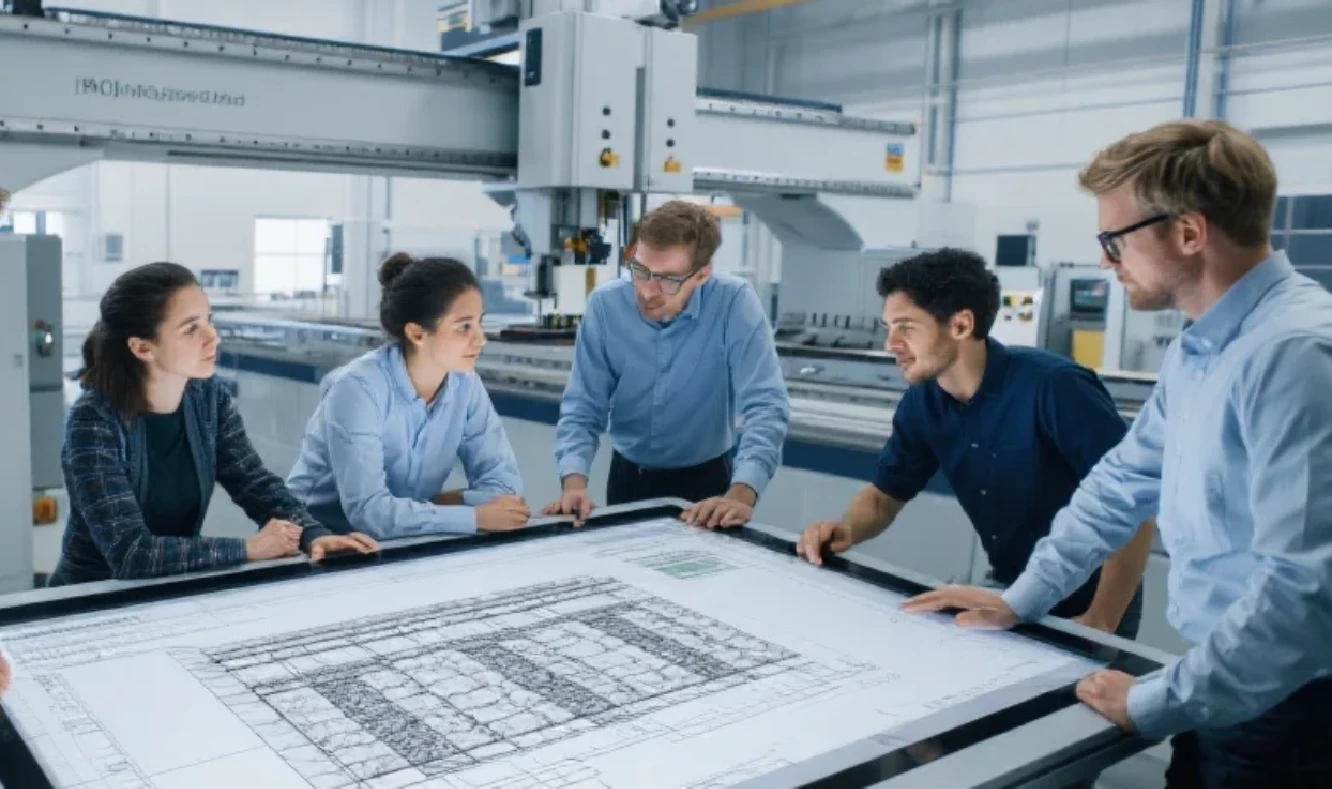
Minimum: one product photo/drawing, material, max/min size range, and your output target. If you also tell us whether your parts are mainly round turning or square/linear, we can shortlist the best fit immediately and quote the right configuration.
Send your product photo/drawing + material + size range + output target. We’ll recommend the best-fit model and configuration for your workflow:
 English
Get A Easy Solution
Chat Online
Hi, this is Lizzy from Dinosaw ( Not a Robot ). Which Machine ( model ) do you want? Please WhatsApp us now

Hello 👋 How can we help?