Why choose a multi-wire cutting machine for thin slabs?
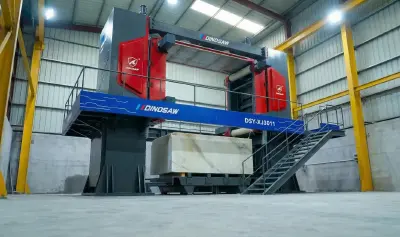
A CNC Diamond Thin Multi-Wire Saw maximizes slab yield via a 0.5mm kerf, maintains ±0.2mm thickness tolerance, and achieves Ra ≈ 2.0 surface quality (manufacturer-reported), while automating parameters for repeatable results.
For premium blocks (Calacatta, Carrara, Blue Bahia, Onyx), higher yield and a better finish directly reduce downstream polishing and the overall Total Cost of Ownership (TCO).
What criteria matter most when selecting a multi-wire saw?
Materials & thickness ranges
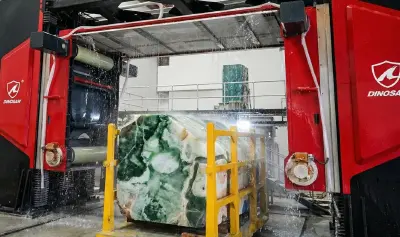
The machine reliably cuts marble at 3–12mm, brittle onyx at 6–8mm, and hard granite at 10–20mm with a conservative feed rate. Using high-quality blocks extracted with a Quarry wire saw ensures minimal internal fractures, which improves cutting stability.
Wire count & spacing planning
A higher wire count increases throughput. Variable spacing enables mixed-thickness orders, but it’s crucial to group similar thicknesses together to avoid large adjacent differences that raise the risk of wire jumping.
Servo tension control & adaptive cutting
A closed-loop tensioning system combined with real-time adjustments to wire speed and feed rate maintains quality through changes in material density, which reduces wire breakage and thickness variation.
Configuration — JS up lifting vs XY downward pressing
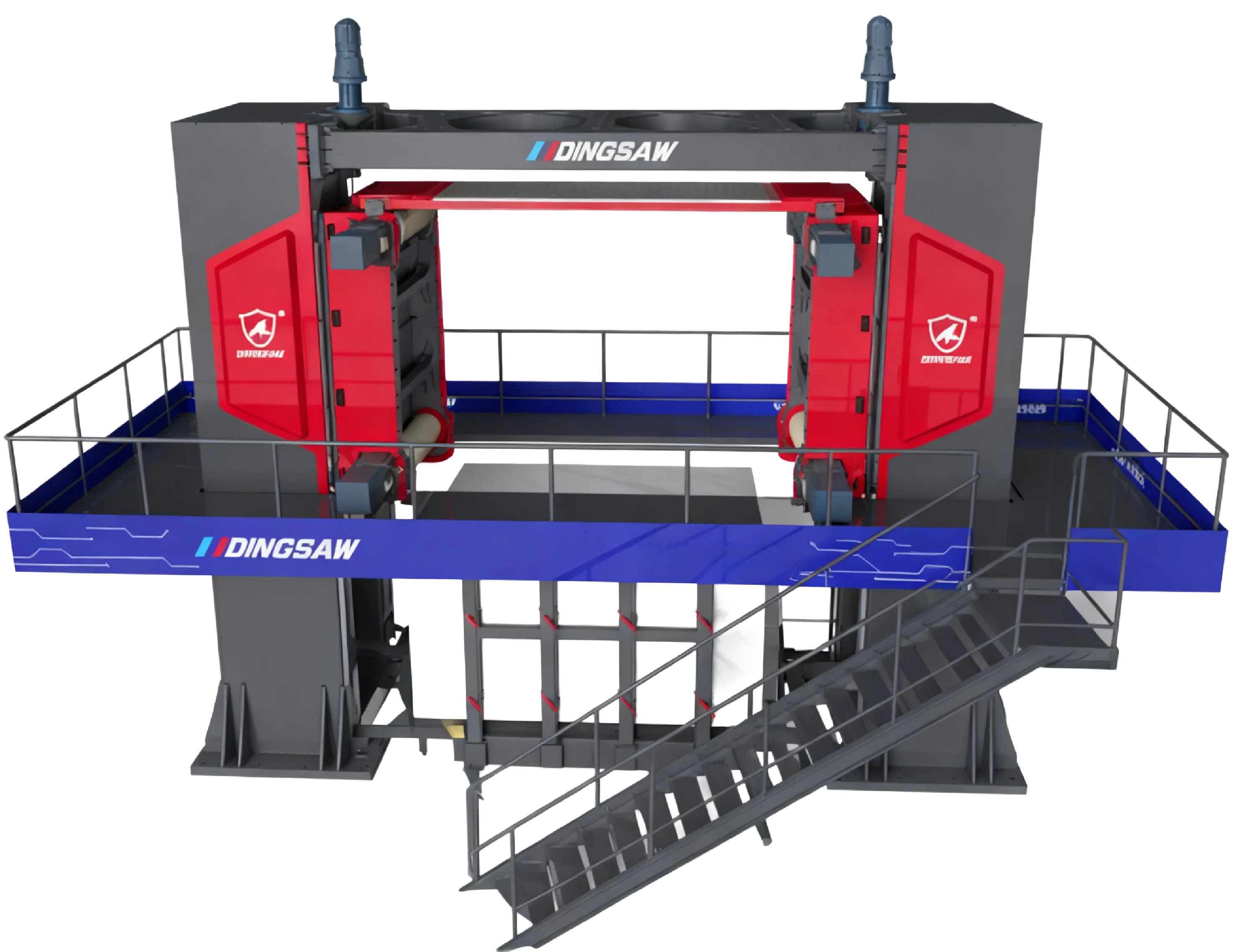
The JS model offers superior precision and vibration control, making it ideal for thin slabs and museum-grade finishes. The XY model reduces initial CAPEX and is well-suited for general-purpose slabs and facilities with tighter footprints.
PLC/recipe integration & data logging
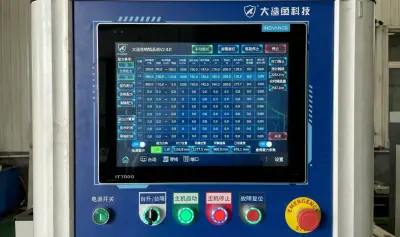
Centralized recipes, batch tracking, and parameter governance cut human error and ensure results are repeatable across different shifts and operators.
Footprint, utilities, and environmental controls
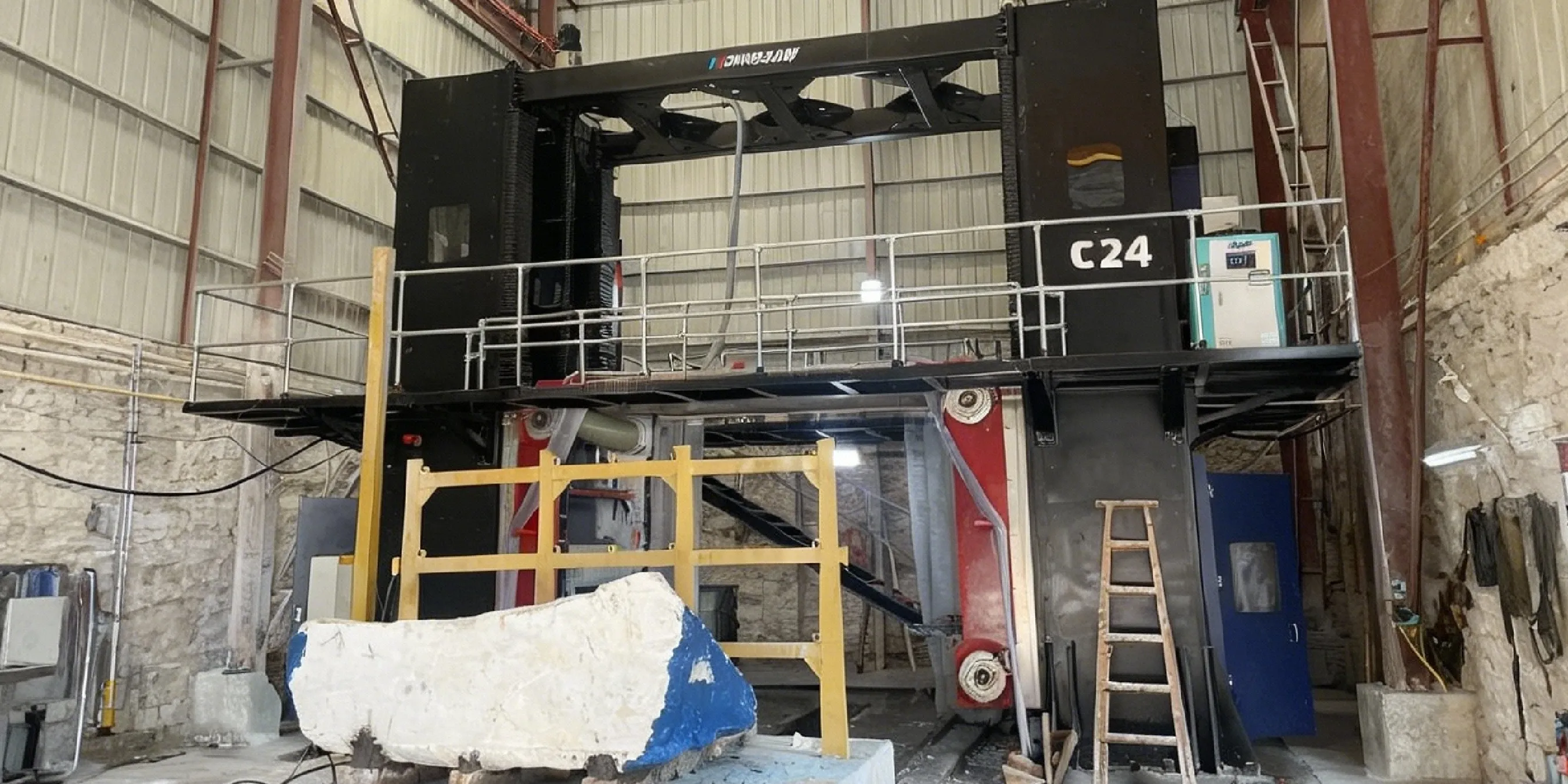
Confirm your available floor space and overhead clearance for crane access. Ensure you have adequate three-phase power, a stable cooling water flow, and systems for slurry and stone powder wastewater management.
Budget tiers & TCO factors
A comprehensive budget balances wire consumption, energy use, polishing consumables, labor, spare parts, and maintenance windows. The higher yield from a multi-wire saw typically shortens the ROI period, especially on premium materials.
If-Then — choose the right multi-wire saw configuration
If you are cutting marble façades 3–6mm→ choose the JS up-lifting model; start the feed rate in the lower half of the 0–200 mm/h range; rely on servo tension for micro-fracture control.
If you are producing 6–8mm backlit onyx panels→ choose a configuration with higher stable tension and adaptive cutting; prioritize stable cooling; avoid large adjacent thickness differences.
If you are processing high volumes of 10–20mm granite slabs→ choose the XY downward-pressing model for cost-effectiveness; use a moderate wire speed; implement strict wire-wear monitoring.
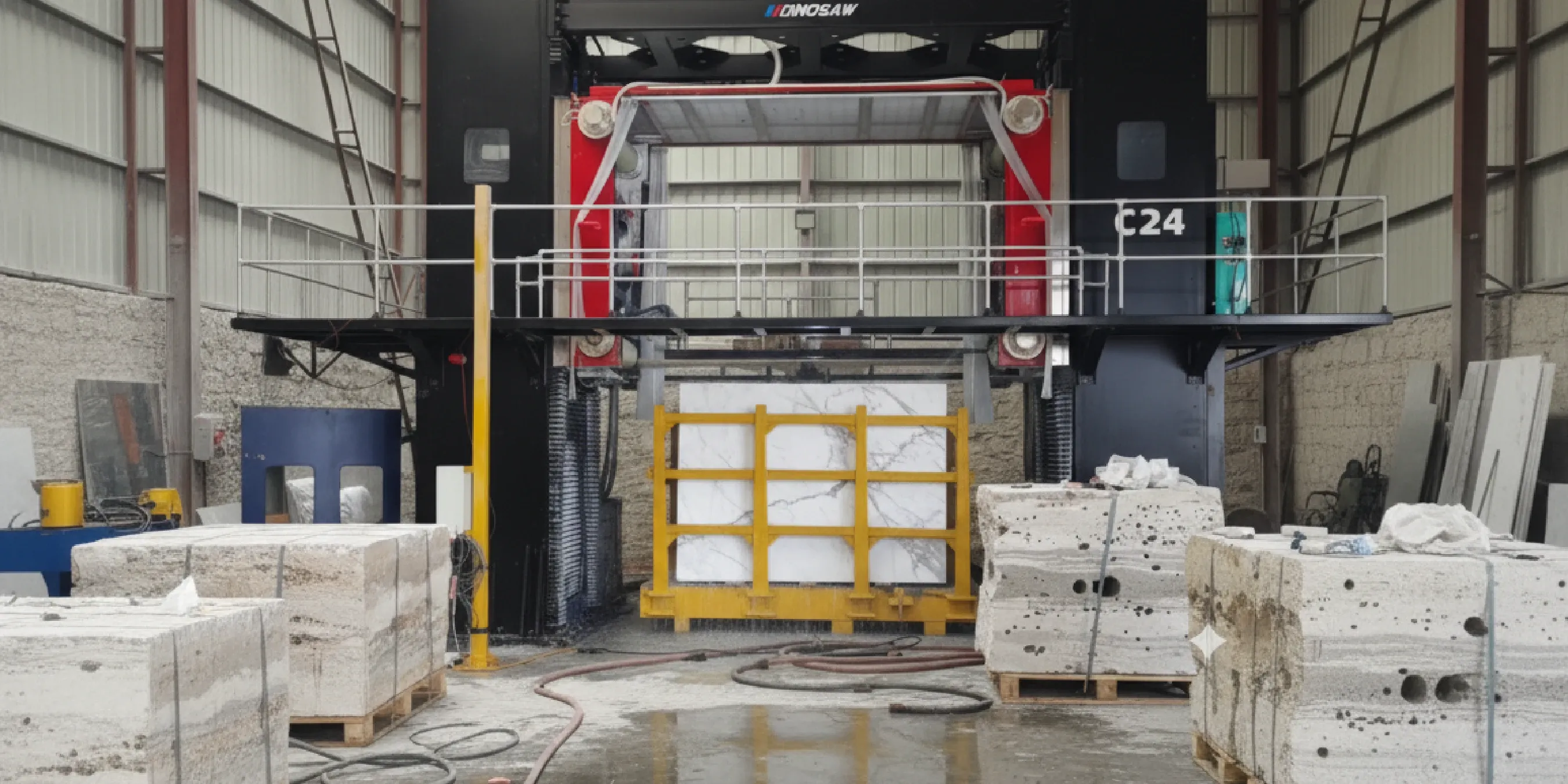
If you need mixed thicknesses (e.g., 5/10/20mm) in one run→ choose a machine with variable spacing; group similar thicknesses together; optimize the layout to prevent wire jumping; see Multi-Wire Saw specs.
If your priority is a museum-grade finish or book-matching→ choose the JS model; run at a mid-range wire speed and a conservative feed rate; the servo tension system is key to minimizing edge chipping.
If your footprint or overhead clearance is limited→ choose the XY model; verify crane and foundation requirements; ensure adequate access for maintenance.
JS vs XY — which multi-wire saw fits your site?
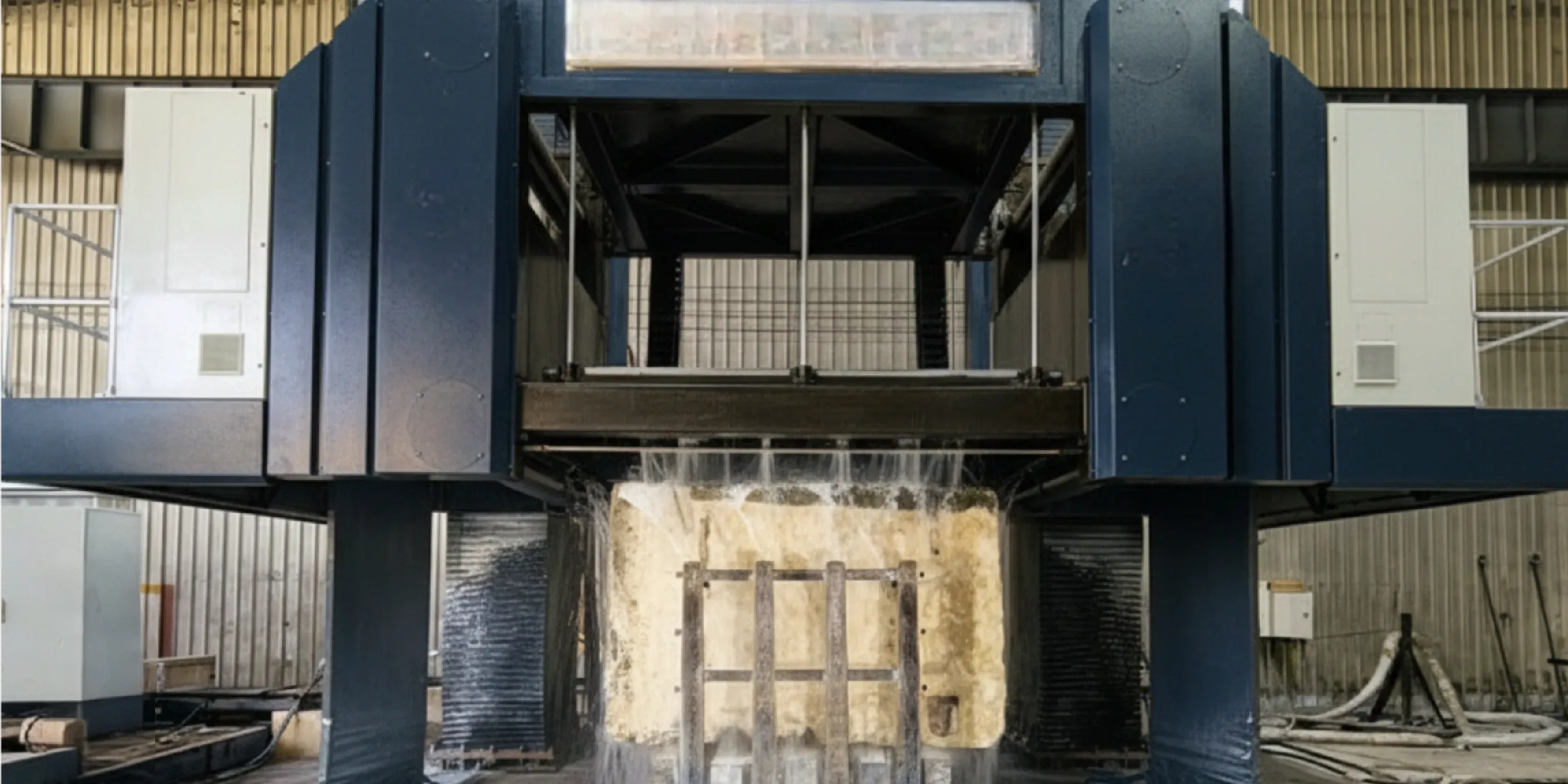
The JS (up-lifting) configuration, where the block moves into fixed cutting components, offers better stability, precision, and a longer machine lifespan, making it ideal for thin slabs and premium projects. The XY (downward-pressing) model has a lower initial cost and is suitable for general-purpose slabs and facilities with constrained footprints, making it acceptable for high-volume 10–20mm granite lines.
How many wires and what spacing should you choose?
Throughput rises with the number of wires. You should choose your wire spacing to match your target thicknesses and batch composition. For mixed orders, group similar thicknesses together and avoid extreme neighbors (e.g., placing a 5mm slab next to a 30mm one), as this keeps tension profiles balanced and vibration low.
What to confirm before you sign?
TCO drivers:wire consumption, energy, polishing consumables, labor, and water treatment.
Spares & maintenance windows:availability of rollers, sensors, and wire inventory; plan for daily, weekly, monthly, and quarterly tasks.
Training & warranty/SLA:ensure comprehensive operator and maintenance training, clear response times, and parts logistics.
Certifications & compliance:verify CE/ISO marks and alignment with your facility’s dust, noise, and wastewater policies.
Line integration:confirm PLC protocols (OPC UA/Profinet where applicable) and batch data mapping capabilities.





 中文
中文 Italian
 Türkçe
 Português
 Español
 Deutsch
 العربية
 Tiếng Việt
 Français
 Русский






 Nov 27, 20257 MIN READ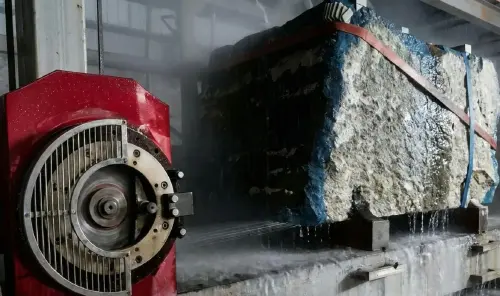
 English