Block Cutting Wire Saw Machine Selection: Achieve ±1 mm Squareness with Low-Loss Cuts
Lizzy·Oct 18, 2025·4 MIN READ
Lizzy·Oct 18, 2025·4 MIN READ
Block Wire Saw Selection & Purchasing Guide : When to choose mono wire squaring/multi-wire/bridge saw; Wire speeds for granite and marble; Key considerations for compliance and delivery.
Your Quick Selection Guide
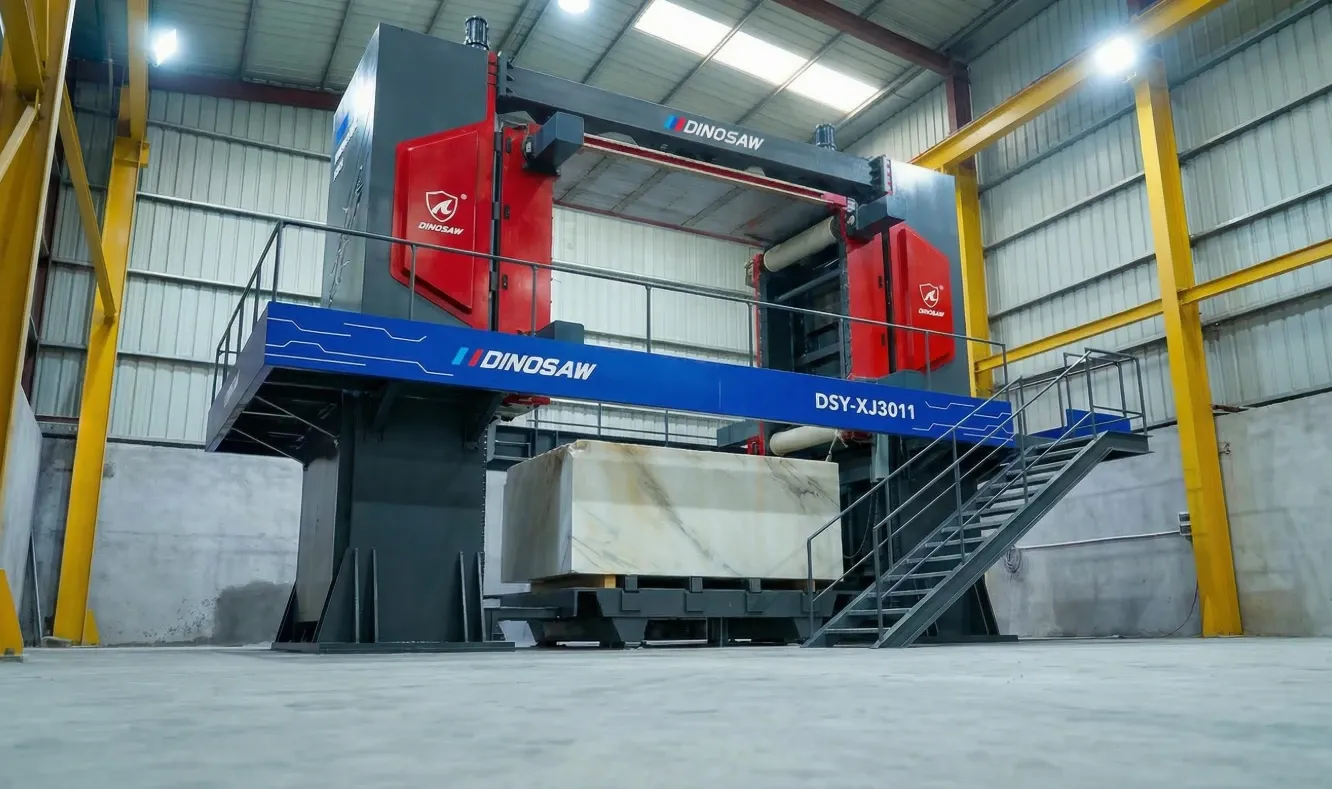
For Irregular/Oversized Blocks & ±1 mm Precision: Choose a Block Squaring Wire Saw. It minimizes waste and handles what other machines can't.
For Standard Slab Throughput: Use a Multi-Blade Block Cutter if your blocks are already uniform.
Key Speeds: Start with 28–30 m/s for granite and 32–35 m/s for marble. Adjust based on cut quality.
Compliance is Key: Plan for OSHA guarding, NFPA 70 electrical, and EPA wastewater rules from day one.
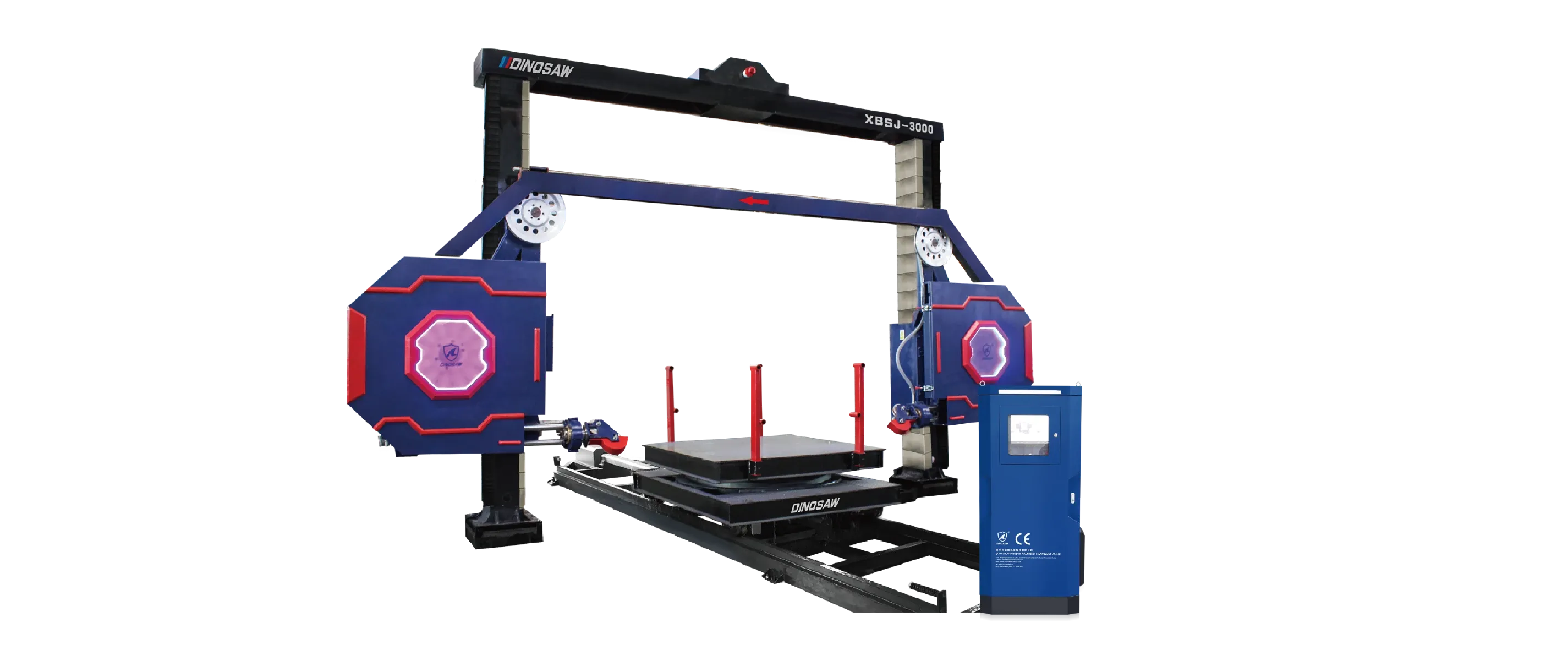
Choosing the right saw is a critical investment. A block squaring wire saw is your specialist for high-value, precision work in a controlled workshop. It's the right choice when your primary goal is achieving perfect geometry on blocks that are otherwise difficult to process. Here’s a clear breakdown of when to use it versus other machines.
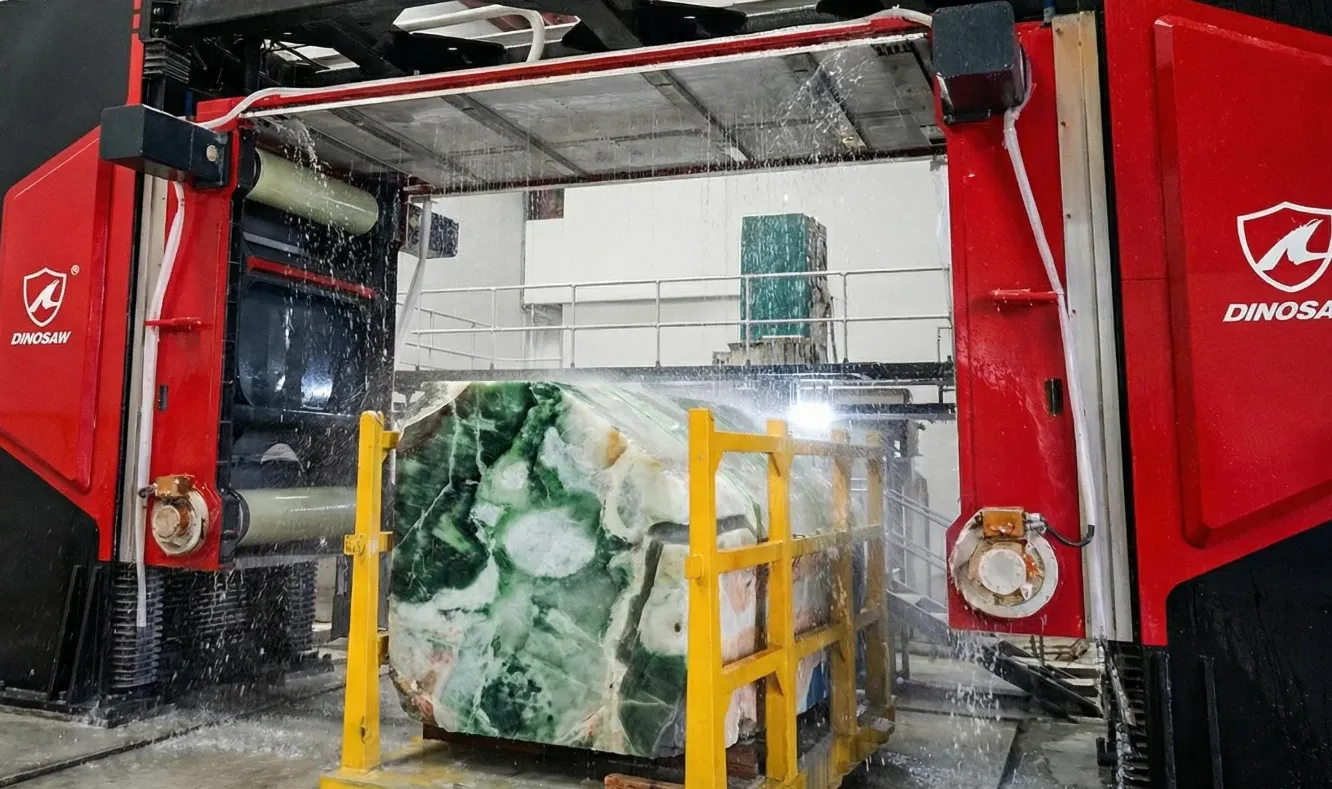
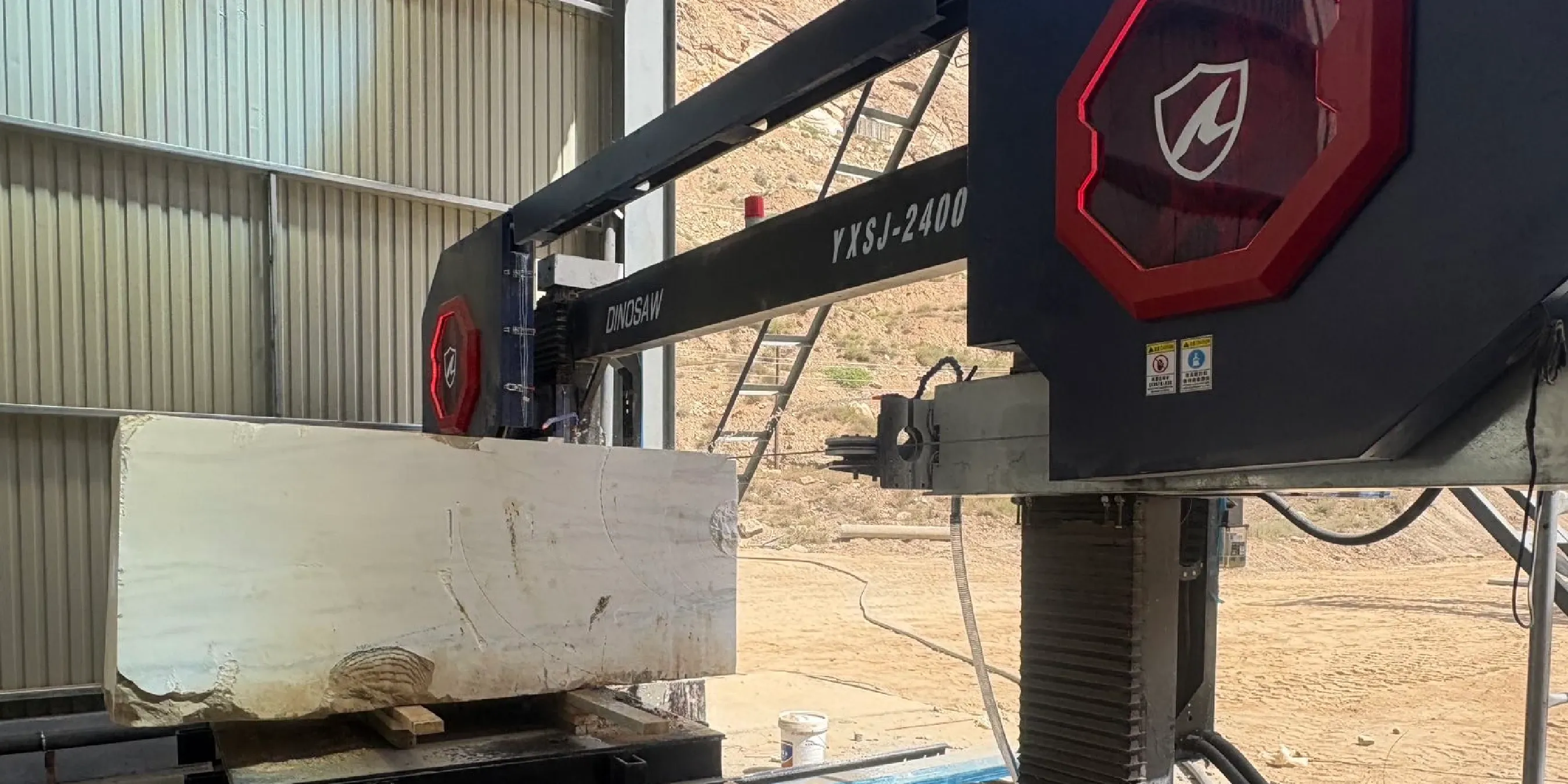
Choose a Block Squaring Wire Saw if: You have irregular, oversized, or high-value blocks (like granite or marble) and need to achieve tight squareness (e.g., ±1 mm tolerance) with minimal material loss (low kerf).
Choose a Bridge Saw or Multi-Blade Cutter if: Your blocks are already uniform and your main goal is high-throughput slab production. You must be willing to accept a wider kerf and more material waste.
Choose a Quarry Saw if: You are cutting blocks directly from the quarry face. Its purpose is extraction, not precision finishing.
Choose a Portable Saw if: You only need to perform simple splitting in the yard to make blocks transportable. It is not a precision tool.
What are the Key Parameters You Will Actually Use?
Forget complex charts. For day-to-day operations, you only need to master a few baseline settings. Always start with these conservative parameters and adjust based on the material's feedback.
Wire Diameter: A thicker wire offers more rigidity and reduces deflection. Use a 10–11 mm Ø wire for hard granite and a slightly thinner 8–10 mm Ø wire for softer marble to balance stability and minimize kerf.
Wire Speed (Granite): For hard, crystalline stone, use a wire speed of 28–30 m/s. According to multiple suppliers, this range provides effective cutting without excessive bead wear.
Wire Speed (Marble): For softer stones, you can use a higher speed of 32–35 m/s. This helps achieve a smoother finish but requires you to monitor for any wire "skipping."
Concrete & Steel: These materials require a different approach. Use a specialized wire, start with a lower wire speed (e.g., 20–25 m/s), ensure stronger fixturing to prevent movement, and apply significantly more cooling.
How Does This Translate to Real-World ROI? (Mini Cases)
Theory is useful, but the real value is in the results. Here’s how a block squaring wire saw pays for itself in common workshop scenarios.
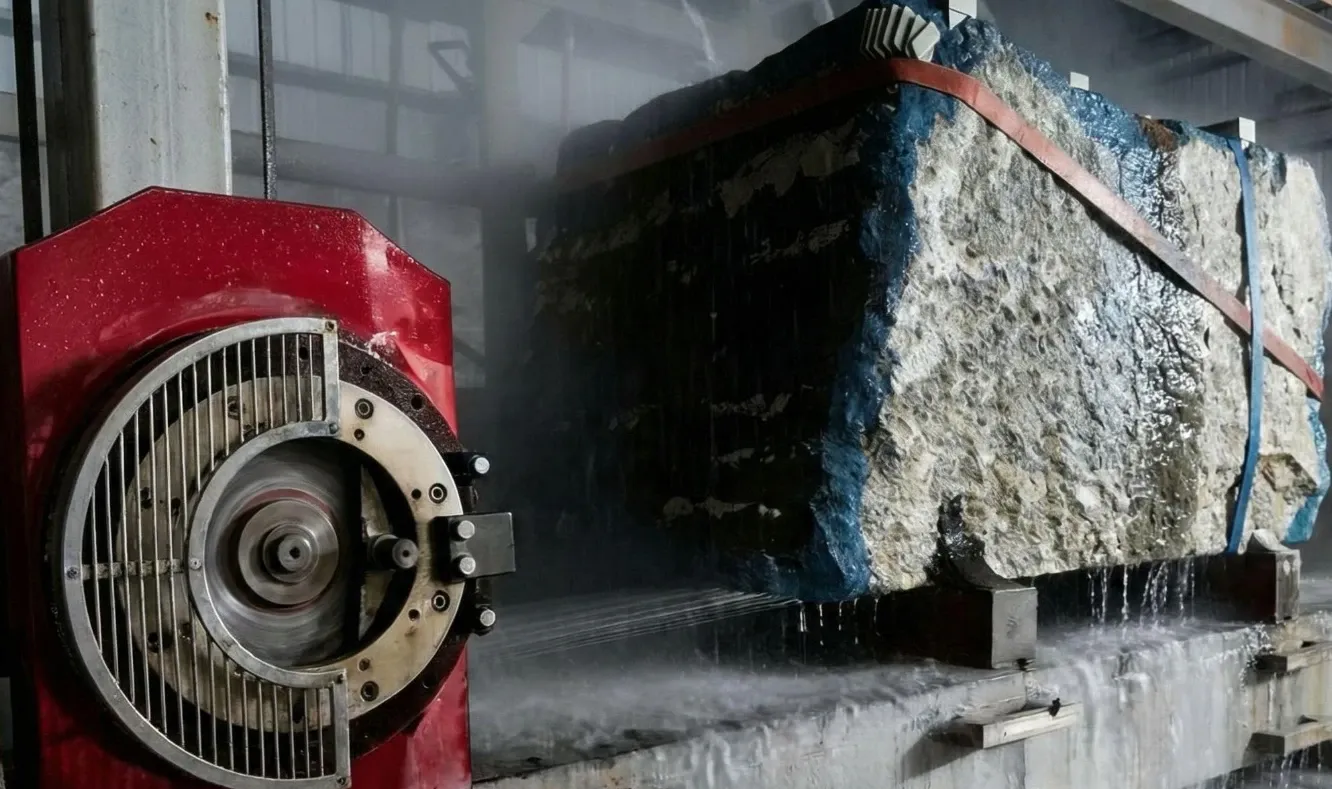
Case 1: Dressing an Irregular Granite Block
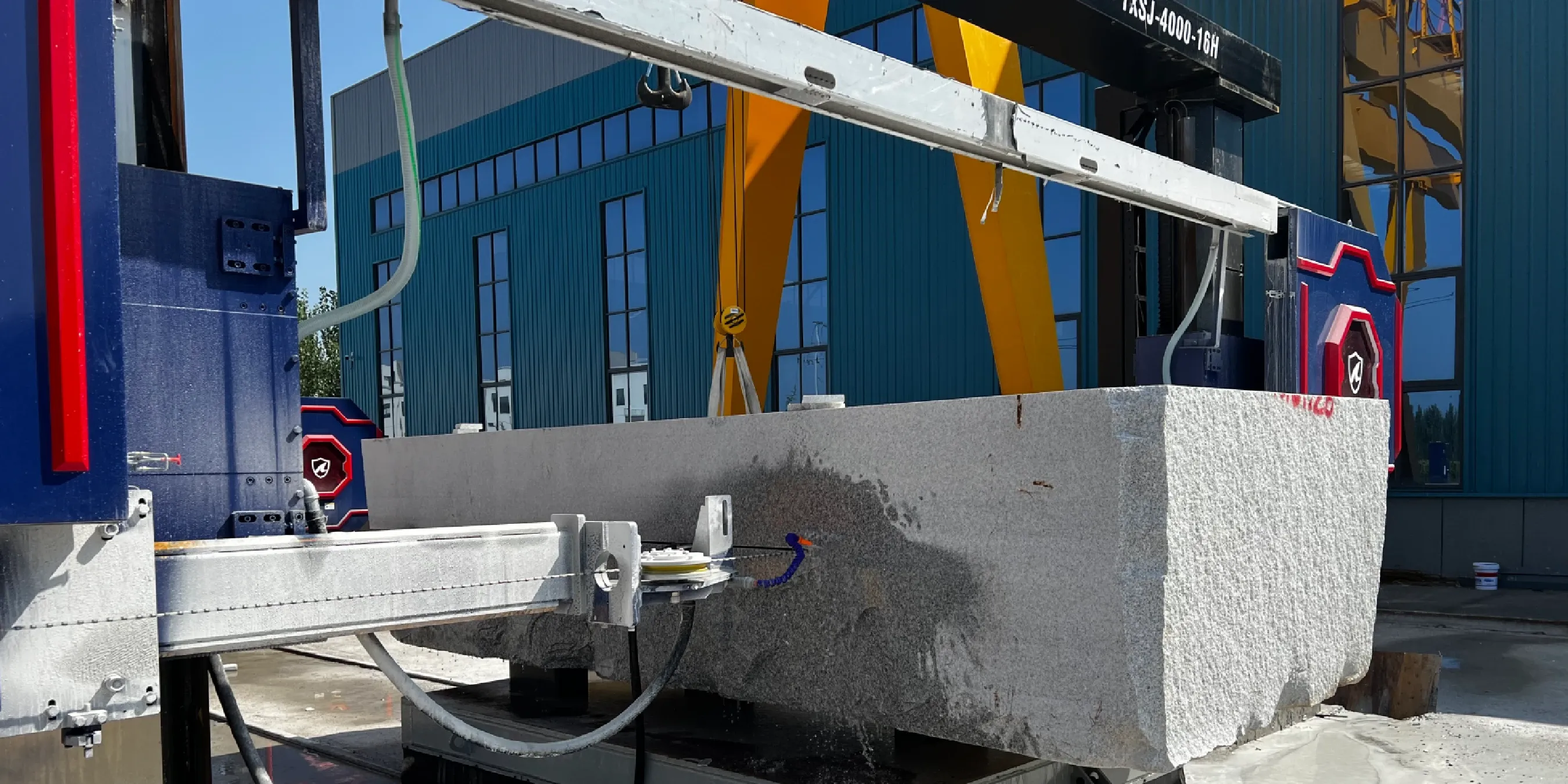
Outcome: A previously unsalable block was transformed into a premium, squared workpiece, increasing its value by over 40% and boosting total slab yield.
How: We used two corrective passes with an 11mm wire to trim the out-of-square faces, achieving a final geometry within ±1 mm tolerance.
Why it Matters: The minimal kerf loss saved valuable material, and the low-stress cut prevented micro-fractures, ensuring the block was perfect for downstream slabbing.
Case 2: Preparing Steel Beam Ends
Outcome: Perfectly clean, square ends on large structural steel beams, eliminating the need for secondary grinding and reducing on-site fit-up issues.
How: Using a specialized wire with a slower cutting pass and enhanced cooling, the machine cut the beam ends without causing any thermal distortion.
Why it Matters: This delivered significant labor savings and improved project timelines by ensuring components fit perfectly during assembly, a critical factor in structural engineering.
A Selection Checklist for Buyers (Procurement & Plant Managers)
Before signing the purchase order, walk through this checklist to ensure the machine aligns with your operational reality and long-term goals.
Geometry & Size: Will the machine accommodate your largest and most irregular blocks? Confirm the maximum cutting dimensions.
Location & Footprint: Do you have the required workshop space? Is the foundation adequate for a stationary precision machine?
Tolerance Requirements: Does the machine’s stated precision (e.g., ±1 mm) meet your quality standards for finished products?
Water & Slurry Management: Do you have a plan for water supply and wastewater recycling/disposal that meets EPA guidance?
Integration:Can the machine's PLC communicate with your existing factory monitoring systems? You should confirm which industrial communication protocols (e.g., OPC UA, Profinet-style) are supported for your specific configuration.
Spares & Service: What is the lead time for critical consumables like diamond wire and guide wheel rubber? Is local service support available? Clarify the Service Level Agreement (SLA).
What Compliance & Delivery Essentials Should You Confirm?
A successful delivery goes beyond the hardware. Ensure your supplier provides a complete package covering safety, training, and long-term support.
Safety Compliance: The machine must have proper machine guarding compliant with OSHA standards.
Operator Training: The supplier must provide comprehensive on-site training covering operation, routine maintenance, and safety procedures.
Warranty & Support: Clarify the full terms of the warranty. Confirm how to access technical support and the process for filing a claim.
Frequently Asked Questions (FAQ)
When should I choose a wire saw over a multi-blade cutter?
You should choose a wire saw for squaring block when your priority is precision and material savings on large, valuable, or irregular blocks. A multi-blade cutter is designed for high-speed production on uniform blocks but operates with a wider kerf, which increases material waste. If your primary goal is maximizing the yield from a difficult or expensive block, the wire saw is the clear winner.
What wire speed should I use for granite vs. marble?
You should use different wire speeds, as the optimal setting depends on the stone's hardness. For hard granite, start with a wire speed of 28–30 m/s to balance cutting efficiency and tool life. For softer marble, a higher speed of 32–35 m/s can produce a superior finish. As a mandatory next step, you should always conduct a small test cut on a sample piece and adjust your speed based on the results.
Can one wire saw really handle both concrete and steel?
Yes, a single stationary block squaring machine can handle both materials, but you cannot use the same setup or parameters. The boundaries are firm: cutting concrete and steel requires a specialized diamond wire, a slower wire speed (e.g., 20–25 m/s), and significantly more robust support systems. Your required next steps before starting a job are:
Implement stronger fixturing to prevent any workpiece movement.
Ensure a higher flow of coolant to manage heat and swarf.
How do you actually maintain the ±1 mm precision?
Maintaining ±1 mm precision is absolutely dependent on disciplined, routine maintenance of the machine's alignment. The two most critical parameters to control are wire tension and guide wheel alignment, which should be checked daily. The necessary next step is to perform regular, full calibration of the machine's geometry, which includes:Without this routine, you will lose the machine's precision capability over time.
Verifying the positioning boxes are perfectly vertical.
Ensuring the trolley path is perfectly parallel to the wire.
What should I absolutely check before buying?
Before buying, you should absolutely confirm two non-negotiable logistical details: the availability of spare parts and the terms of the after-sales service agreement (SLA). Specifically, ask about the lead time for essential consumables like diamond wire and guide wheel inserts. A machine is useless if you can't get parts, so your next step is to clarify who to call for support and what response times are guaranteed in your SLA.
Ready to Get the Right Machine for Your Workshop?
Our experts can help you configure a block squaring wire saw that meets your exact material, size, and precision needs. Let's build a solution that boosts your yield and ROI.




 中文
中文 Italian
 Türkçe
 Português
 Español
 Deutsch
 العربية
 Tiếng Việt
 Français
 Русский






 Oct 18, 20254 MIN READ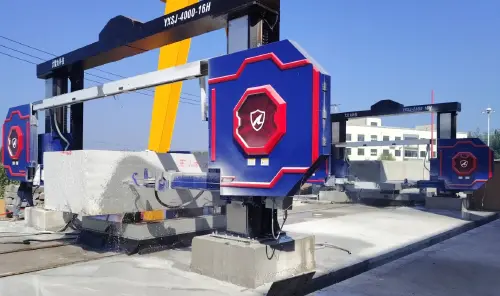
 English