
A complete SOP for diamond core bits. Learn pre-use checks, dressing techniques for granite, storage, and troubleshooting glazing or wandering to lower your cost-per-hole.
TL;DR: The Core Bit Lifecycle in 60 Seconds

  • Pre-Use Inspection is Mandatory:Always check for cracks, segment damage, and ensure the bit is flat before mounting. A damaged bit is a safety hazard.
  • Cooling is Not Optional:For wet bits, ensure constant water flow. For dry bits, allow for periodic air cooling. Overheating is the #1 cause of premature failure.
  • Dress the Bit When It Glazes:If the bit stops cutting and starts polishing, run it through an abrasive material (like a dressing stone or concrete block) to expose new diamonds.
  • Store Properly:After use, clean the bit, dry it completely, and store it in a protective case to prevent rust and impact damage.
Need help troubleshooting a persistent bit issue? Our technical team can help diagnose the problem.

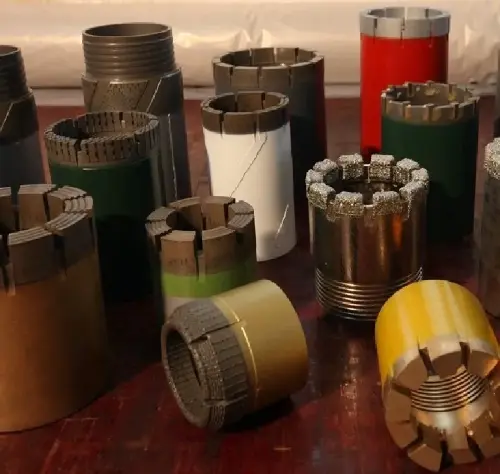
金刚石取芯钻头-产品图@1.5x.webp

The Diamond Core Bit Lifecycle SOP (incl. Reverse Threaded Core Bits)

Follow these steps systematically to ensure safety, performance, and maximum tool life.
Pre-Use Inspection: The First Line of Defense
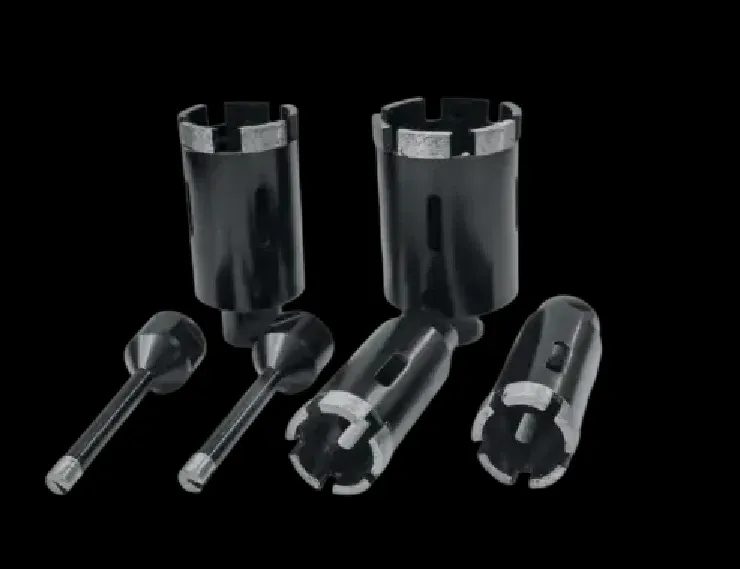
  • Inspect Segments:Visually check for missing, cracked, or unevenly worn Diamond Segments. Do not use a bit with damaged segments.
  • Check the Barrel:Look for any signs of bending, cracks, or deep scoring on the steel barrel. Place it on a flat surface to check for straightness.
  • Verify Threads:Ensure the threads are clean and undamaged. A damaged thread can cause misalignment or prevent the bit from seating securely.
Mounting and Setup: Precision Matters
  • Secure Mounting:Thread the bit onto the drill spindle until it is hand-tight, then use the correct size wrench to give it a final, firm tightening. Do not over-torque.
  • Check for Runout (Wobble):With the bit mounted, briefly run the drill at a low RPM. There should be no visible wobble. Excessive runout indicates a bent bit or a problem with the drill spindle.
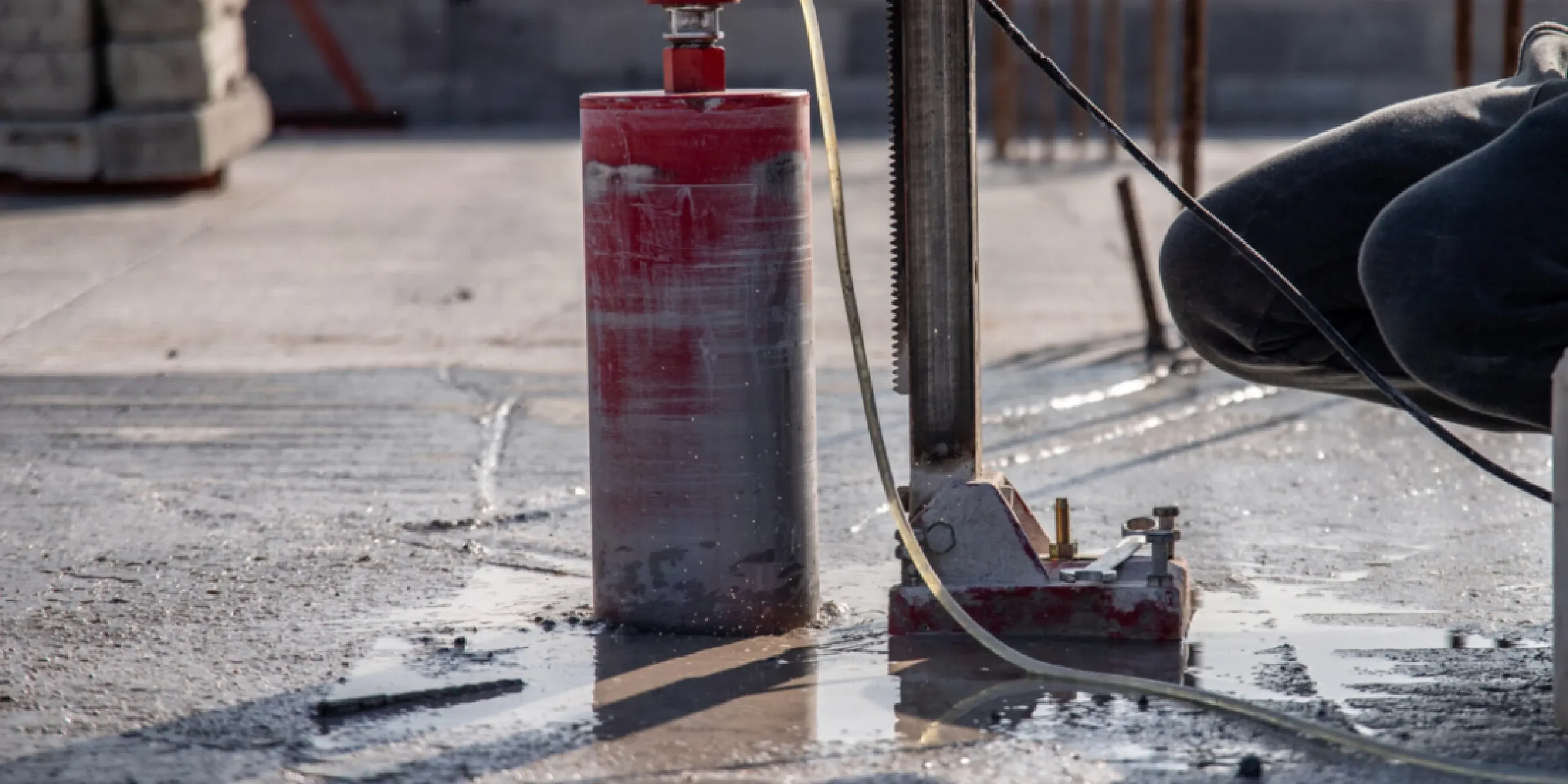
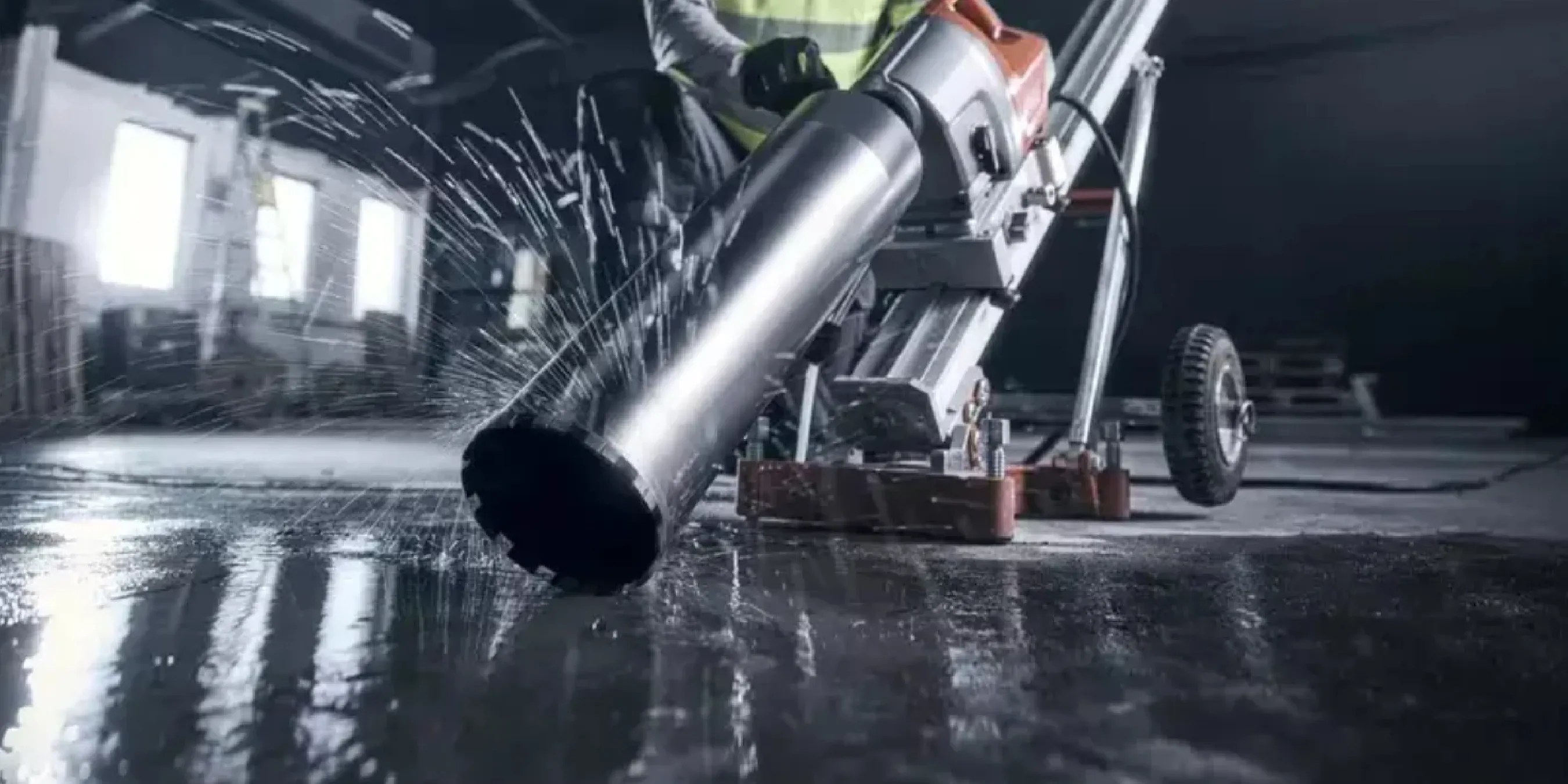
  • Coolant/Dust Control Setup:For wet drilling, ensure water is flowing freely through the center of the bit *before* it touches the material. For dry drilling, ensure the vacuum dust collection system (VDCS) is properly attached and functioning.
    21@1.5x.webp
Usage and Operation: Technique for Longevity
  • Start Correctly:To prevent wandering, start handheld drilling at a 45° angle to create a notch, then pivot to 90°. For rig-mounted drills, ensure the rig is securely anchored.
  • Apply Steady Pressure:Let the diamonds do the work. Do not apply excessive force, as this can cause overheating and segment damage. Listen to the sound of the drill.
  • Dressing a Glazed Bit:If cutting speed drops and the bit polishes the stone, it's glazed. Revive it by drilling into a soft, abrasive material like a concrete block or dressing stick for a few seconds until it starts cutting aggressively again.
Post-Use and Storage: Preventing Degradation
  • Clean Thoroughly:After use, wash off all slurry and debris from the bit, paying attention to the threads and water channels.
  • Dry Completely:Dry the bit with a cloth or compressed air to prevent rust, which can compromise the steel barrel and segment bond.
  • Store Safely:Store bits in a dry place, preferably in a protective case or rack where they won’t be banged against other tools.
Replacement Criteria: When to Retire a Bit
  • Segment Height:Retire the bit when the diamond segments are worn down to approximately 2-3mm in height, or when the segment base is close to the barrel.
  • Visible Damage:Any cracks in the barrel, significant bending, or multiple missing/cracked segments mean the bit is unsafe and must be retired immediately.
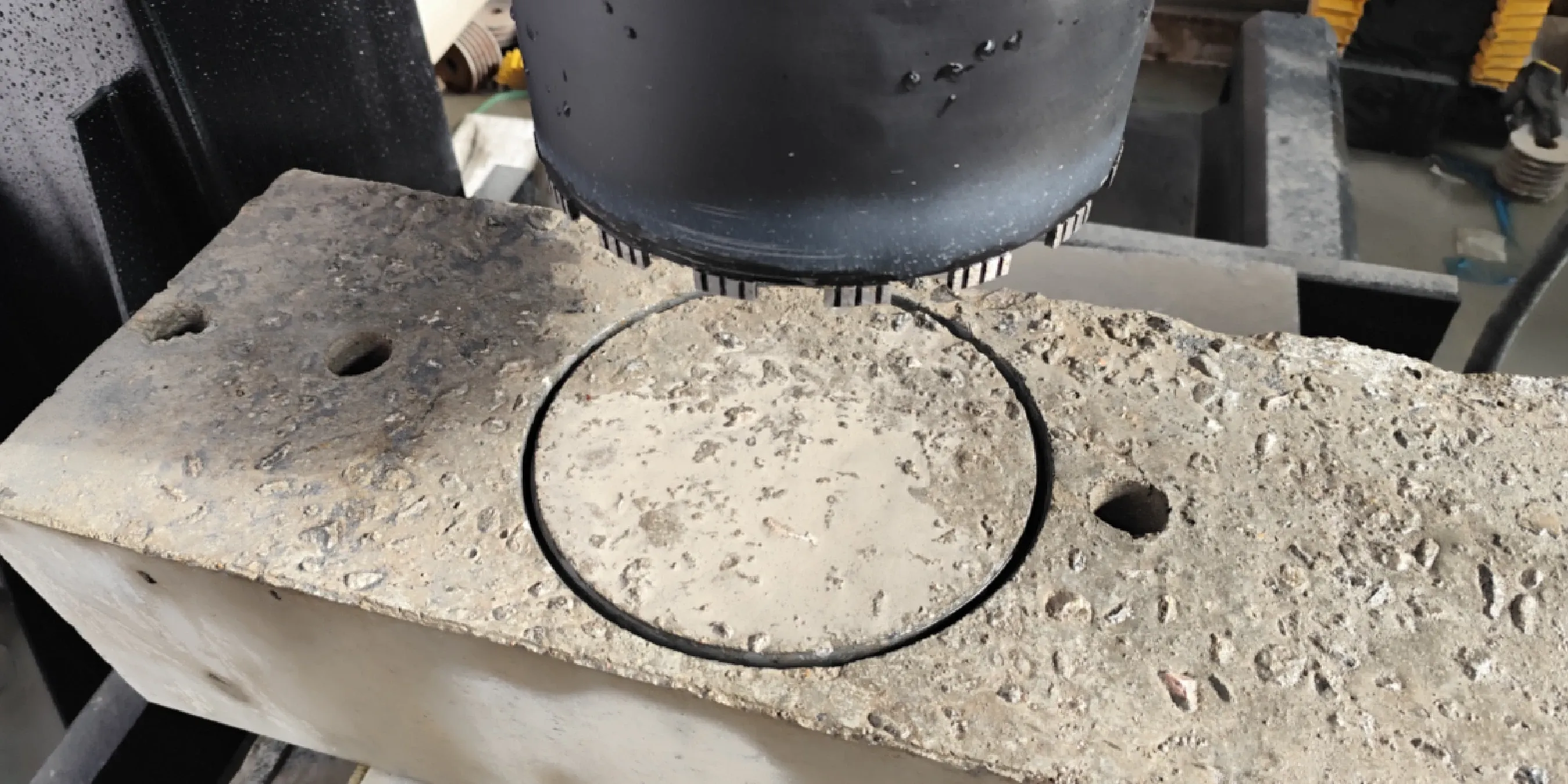
  • Loss of Performance:If a bit consistently fails to cut efficiently even after proper dressing, its useful life is over.

18@1.5x.webp

Troubleshooting: Top Issues and Solutions for Diamond Drill Bits for Stone

  • Symptom: Glazing (Bit polishing, not cutting). Solution:Dress the bit on an abrasive block. If it persists, the bond is too hard for the material. Switch to a softer-bond bit.
  • Symptom: Bit Wandering at Start. Solution:Use a wood template guide. For handheld, start at a 45° angle to create a groove before moving to 90°. For rig-mounted, ensure the stand is securely anchored.
  • Symptom: Overheated/Discolored Segments. Solution:Insufficient cooling. For wet bits, increase water flow. For dry bits, reduce pressure and allow the bit to spin in the air for 10-15 seconds periodically to cool.
  • Symptom: Excessive Chipping at Hole Edge. Solution:Reduce feed pressure, especially when exiting the hole. Ensure the bit is running true (no wobble). A finer grit bit may also be required.
  • Symptom: Slow Penetration Speed. Solution:The bit may be glazed (see #1). If not, the bond may be too hard, or the diamond grit is too fine for the material. Check RPM settings; they may be too low.
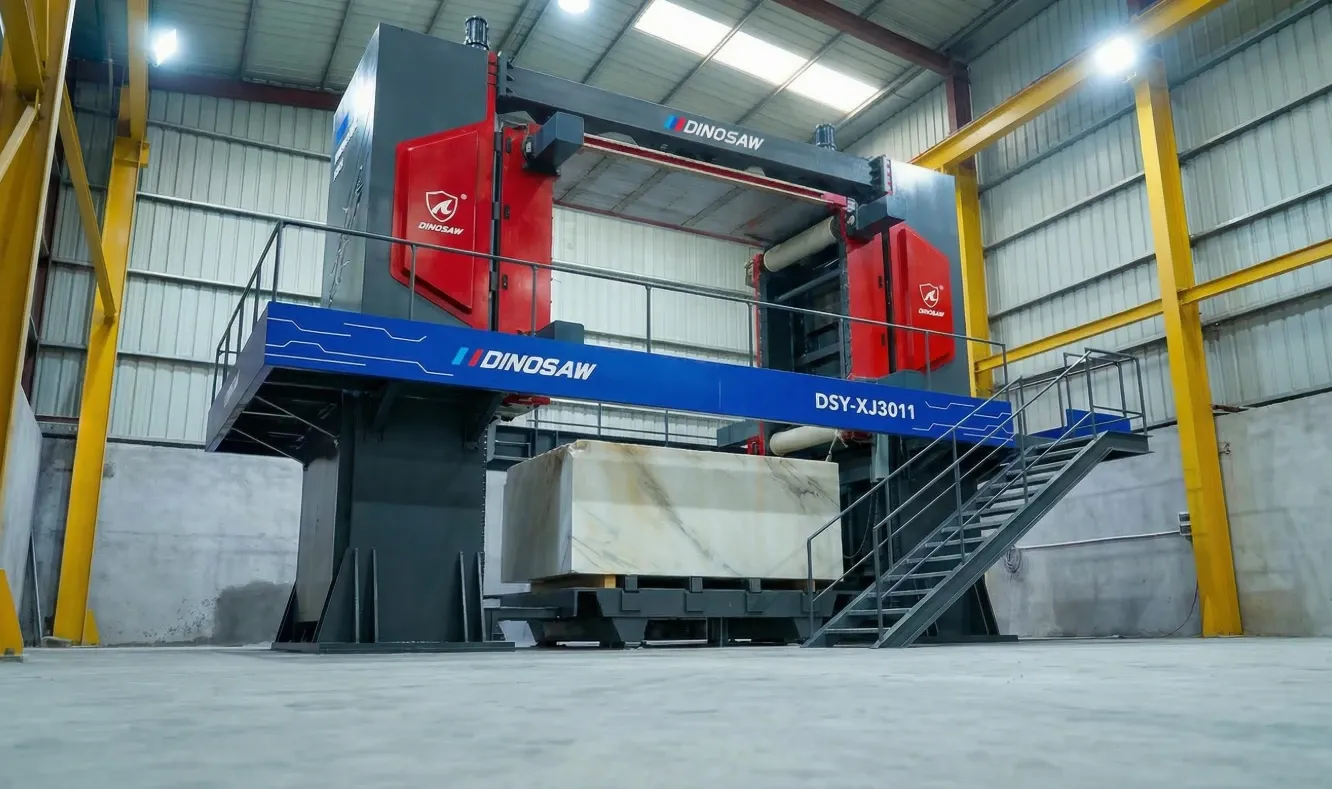
  • Symptom: Excessive Vibration or Wobble. Solution:Immediately stop. Check if the bit is securely mounted. Inspect the bit for a bent barrel and the drill for spindle runout. A damaged bit must be replaced. High-powerAutomatic Drilling Machinesrequire perfectly true bits.

Safety and Compliance (OSHA for Wet Diamond Core Drill Bits)

Operator safety is paramount. Drilling stone generates respirable crystalline silica, a known carcinogen. Adherence to safety standards is mandatory.
  • Dust Control:Wet drilling is the most effective engineering control. As outlined in the OSHA 1926.1153 standard , using water to suppress dust at the source is a primary method of compliance. If dry drilling, a proper shroud and vacuum system are required.
  • Personal Protective Equipment (PPE):Regardless of dust controls, operators should wear safety glasses, hearing protection, and an N95-rated respirator.
  • Equipment-Specific Safety:Always follow the safety guidelines for your specific drill. The OSHA factsheet on Rig-Mounted Core Drills and NIOSH guidelines on drill dust control provide excellent additional resources.

10@1.5x.webp

Frequently Asked Questions (FAQ)

How often should I dress a diamond core bit?

You should dress it only when it shows signs of glazing, not on a fixed schedule.
  • Context:Glazing occurs when the diamonds become dull and the metal bond polishes the stone instead of cutting. This happens more often when drilling hard, non-abrasive materials like granite.
  • Guidance:As soon as you notice a drop in cutting speed or hear a high-pitched squeal, stop and run the bit through a dressing stone or abrasive block for 5-10 seconds.
  • Next Step:If you find yourself dressing the bit frequently, you may be using a bond that is too hard for your material. Consider switching to a softer bond bit.

What RPM and pressure should I use?

This depends heavily on bit diameter and material, so always start with the manufacturer's recommendation.
  • Context:As a general rule, larger diameter bits require lower RPMs, and smaller bits can run faster. Harder materials often require lower RPMs to prevent glazing.
  • Guidance:Use light to moderate, steady pressure. Let the tool do the work. Pushing too hard generates excessive heat and can lead to segment failure.
  • Next Step:Listen to the drill. A smooth grinding sound is good. A high-pitched squeal often indicates the RPM is too high or the pressure is too light.

When should I replace a core bit barrel?

Replace the barrel immediately if it is damaged, even if the segments can be retipped.
  • Context:The barrel provides the structural integrity of the bit. A bent or cracked barrel will cause dangerous vibrations (runout) and will not drill a straight hole.
  • Guidance:Check for straightness by rolling it on a known flat surface. Inspect for any cracks, especially near the threaded end or segment welds.
  • Next Step:Implement a mandatory pre-use barrel inspection as part of your team's SOP. Do not attempt to straighten a bent barrel; replace it.

Can I retip my own core bits?

This is a specialized process that should only be done by trained professionals.
  • Context:Retipping involves removing the old segments and brazing or laser-welding new ones onto the barrel. It requires specialized equipment to ensure proper alignment and a strong bond.
  • Guidance:Improperly welded segments can detach during high-speed operation, creating a severe projectile hazard. Poor alignment will cause the bit to cut inefficiently and wear unevenly.
  • Next Step:Contact your supplier or a professional tool repair service to inquire about their retipping services. It can be a cost-effective way to extend the life of your bit barrels.

What's the best way to clean a bit after use?

The goal is to remove all abrasive slurry and moisture to prevent rust.
  • Context:The slurry from wet drilling is a mixture of fine stone particles and water, which is both corrosive and abrasive.
  • Guidance:Use a stiff brush and water to clean the slurry from between the segments and inside the barrel. Pay special attention to the threads. After washing, dry it thoroughly with a rag or compressed air.
  • Next Step:For long-term storage, apply a light coat of machine oil to the steel barrel and threads to provide an extra layer of rust protection.

How do I get a stuck core out of the bit?

Avoid hammering the side of the bit, as this can damage the barrel.
  • Context:Cores can get stuck due to compression or a slight taper in the hole. Applying force incorrectly can damage the tool.
  • Guidance:Many bits have an opening or slot on the side of the barrel. Use a screwdriver or rod inserted into this slot to gently push the core out from the side. If there's no slot, you can often push it out from the threaded end with a rod.
  • Next Step:If the core is exceptionally stubborn, a light tap on the ejector rod may be needed. Always ensure the bit is on a stable, non-damaging surface.