How to Choose a Wire Saw: Block Squaring vs. Quarry & Portable
Lizzy·Oct 17, 2025·5 MIN READ
Lizzy·Oct 17, 2025·5 MIN READ
We compare wire saws for block squaring, quarrying, and multi-blade setups to help you choose the right machine for large stone blocks.
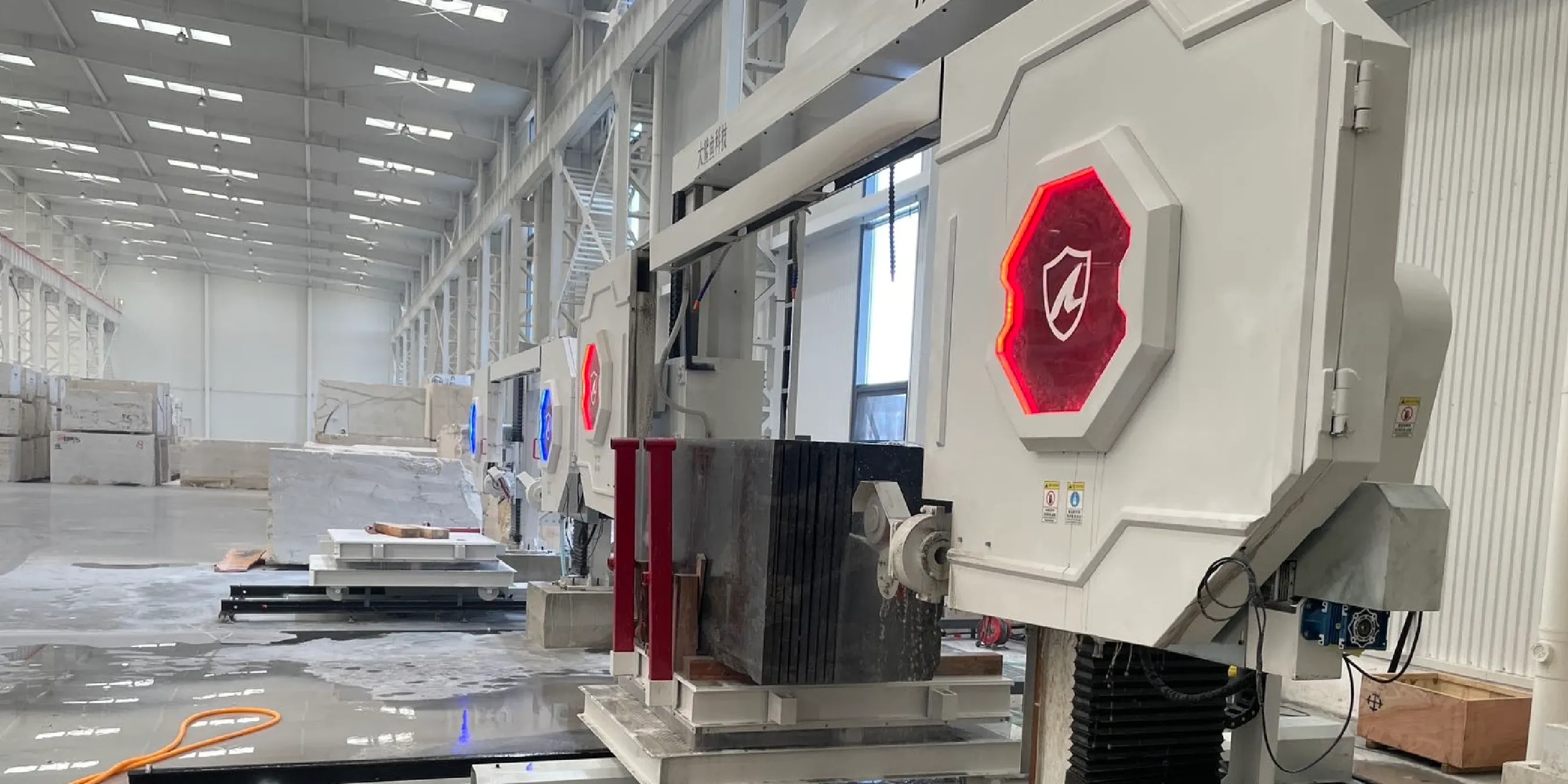
A wire saw machine for squaring blocks gives you low-stress straight cuts and tight squareness (±1 mm, manufacturer-reported). But it isn't always the right tool. Depending on your material, block size, and where you're working, a multi-blade cutter, quarry saw, or portable saw might be a better fit for you.
This guide helps you decide. We'll walk you through real-world scenarios, routing rules, and conservative baseline parameters (wire speed, feed rate) for stone block cutting, so you can invest in the machine that delivers the best ROI for your operation.
When Should You Use a Quarry Saw vs. a Portable Saw?
Your first decision often comes down to location. If you're not in a controlled workshop environment, your choices narrow significantly.
Choose a Quarry Wire Saw Machine for in-situ cutting at the extraction site. It’s designed to detach large blocks directly from the quarry face. Its key features are mobility and ruggedness, not precision.
Choose a Portable Wire Saw Machine for post-extraction splitting. If you just need to break down massive blocks into transportable sizes in the yard, this is a cost-effective choice. Precision is low by design.
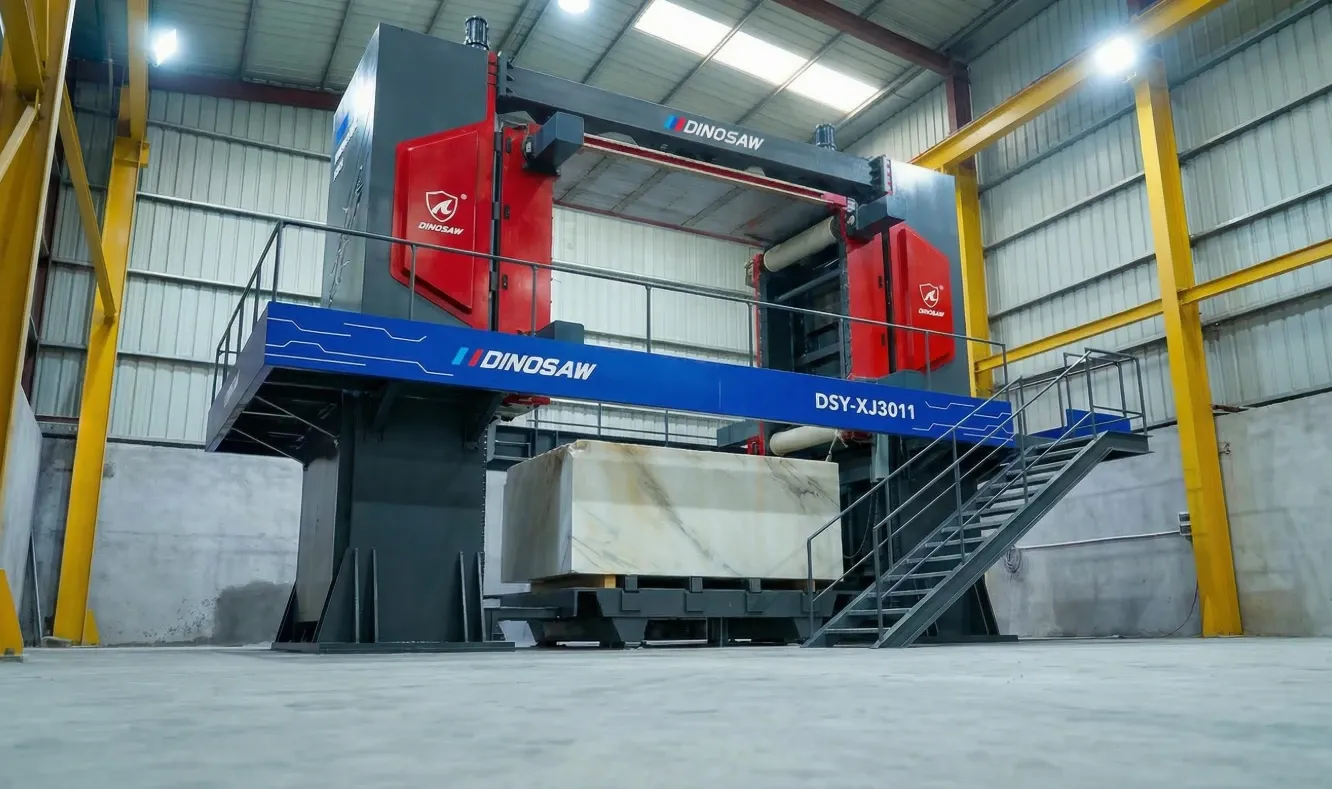
Decision Tip: If your goal is high squareness (±1 mm) and stable geometry, don't rely on quarry or portable saws. Those tasks belong in the workshop with a dedicated Block Squaring Diamond Wire Saw.
Should You Use a Wire Saw or Multi-Blade Cutter for Granite?
For granite, your choice often comes down to the block's geometry and your production goals.
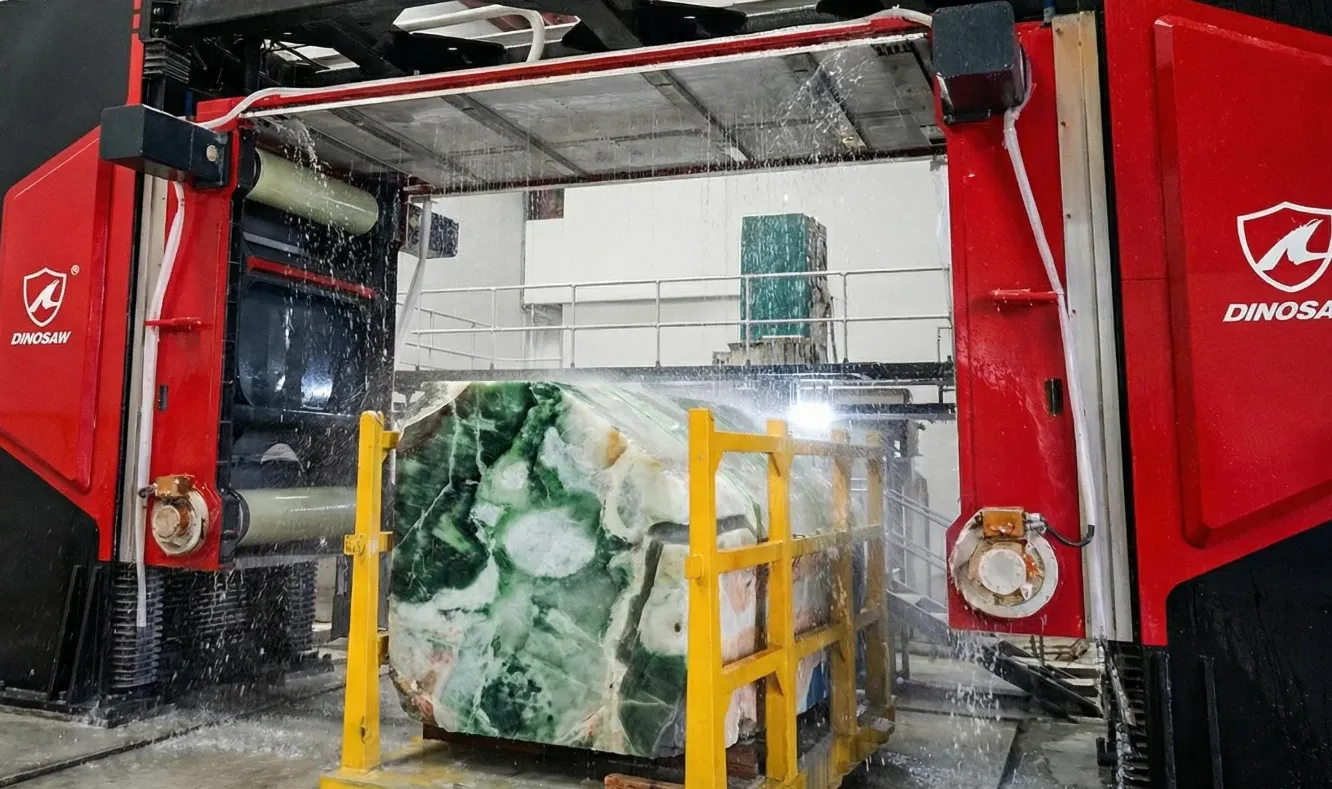
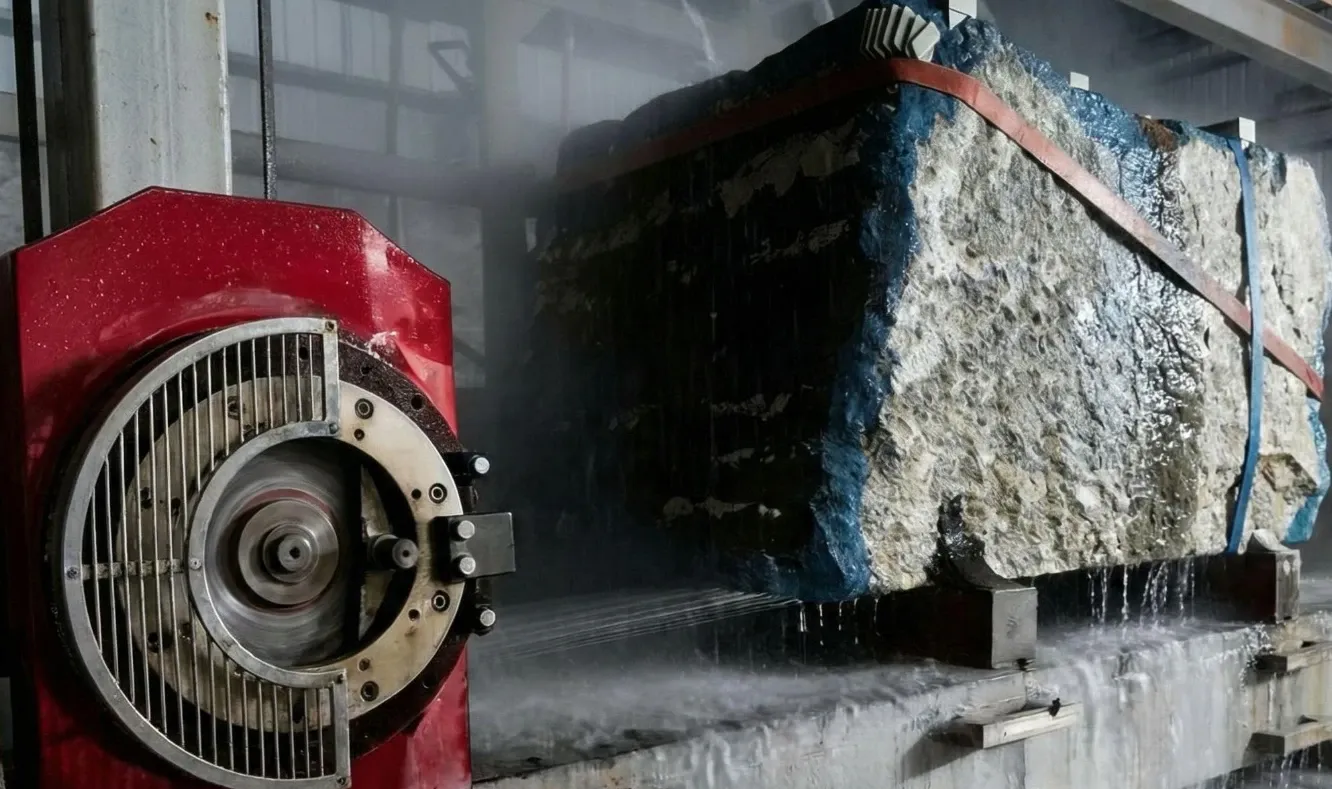
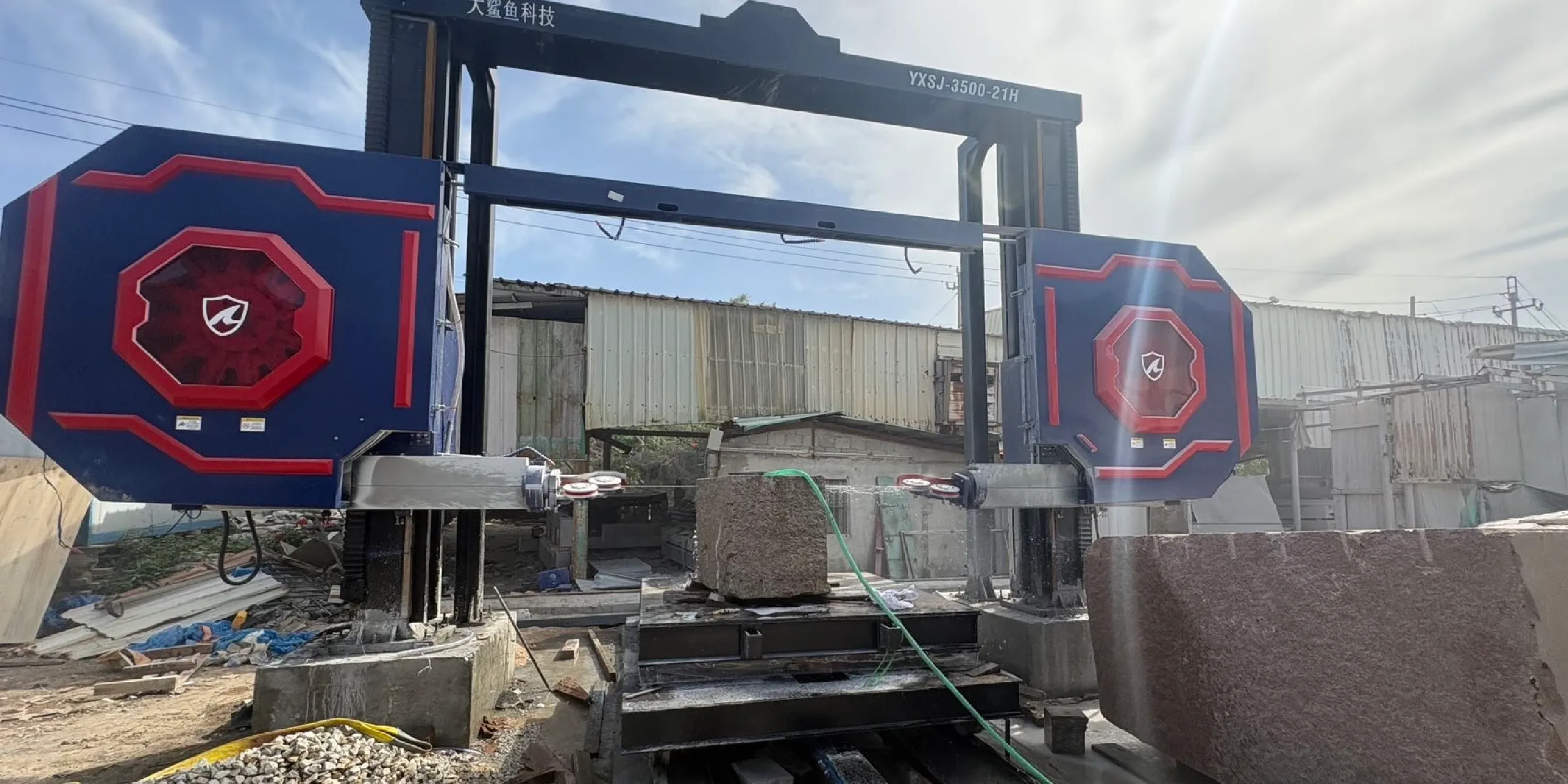
For large, irregular granite blocks, a wire saw for squaring excels. It gives you minimal kerf loss and reduces internal stress. For this, you would typically use a thicker wire (10–11 mm) and a wire speed of 28–30 m/s.
Conversely, for small, regular granite blocks intended for standard slab production, a Multi-blade Block Cutting Machine can be highly efficient. However, you must accept a wider kerf and higher stress. Use these machines only when the block geometry is already consistent and your main goal is throughput.
How does a bridge saw compare on squareness and kerf?
A Bridge Saw uses a large circular blade, resulting in a wider kerf. Its high cutting pressure can induce micro-fractures, especially in fragile stones. It is effective for straight cuts on smaller, regular blocks.
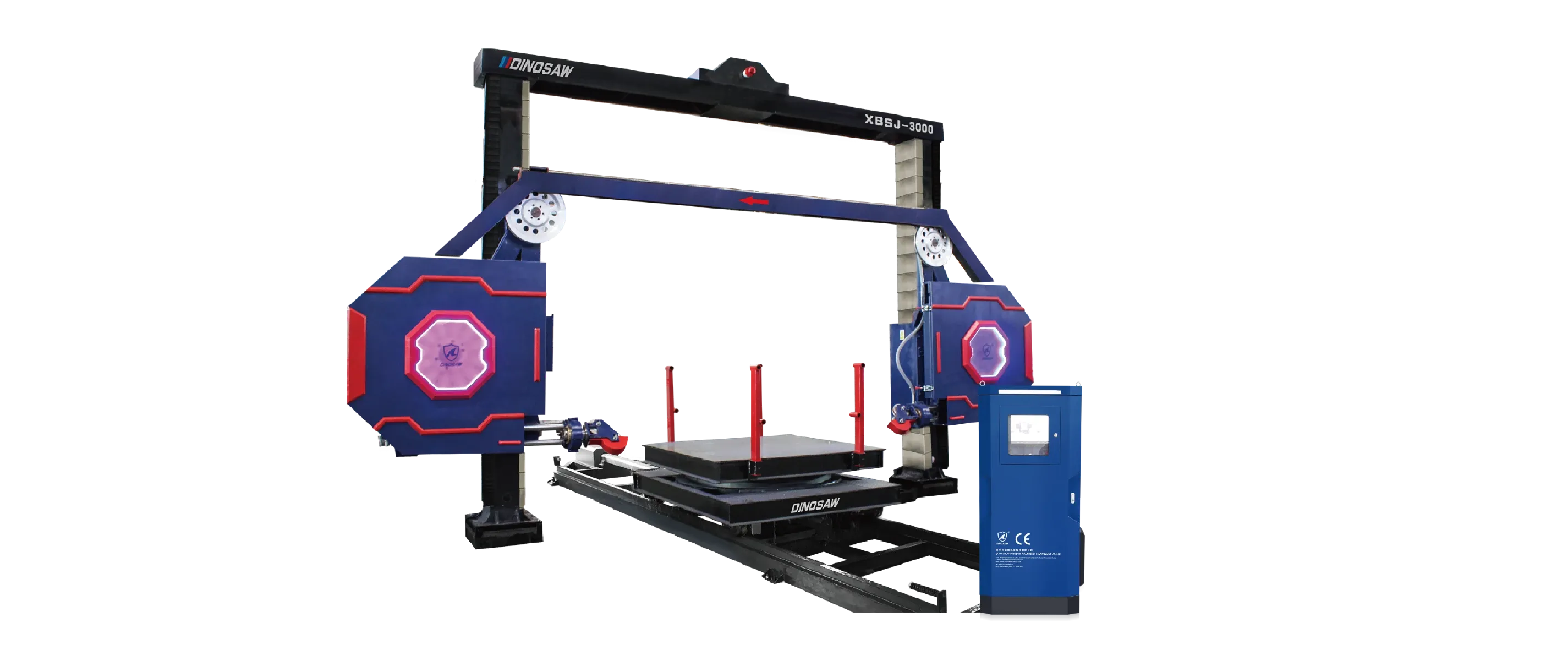
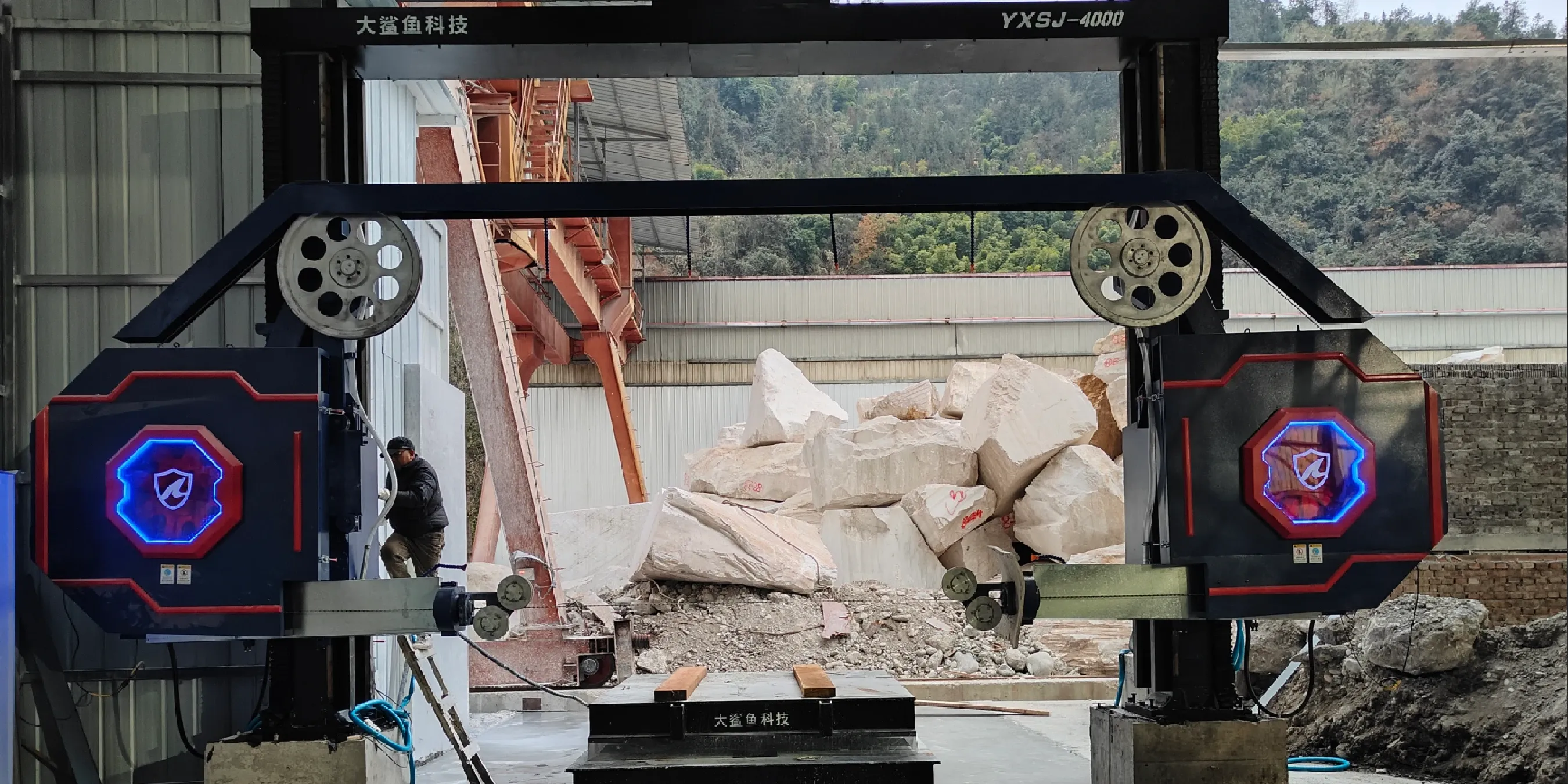
A Wire Saw for Squaring offers you minimal kerf loss and low stress, making it ideal for irregular geometry and high-value materials. In a stable workshop setup, it achieves a much tighter squareness tolerance (±1 mm, manufacturer-reported).
What Are the Core Decision Drivers?
Geometry: If your blocks are irregular, twisted, or bowed, a wire saw is the better choice. If they're regular and predictable, a bridge or multi-blade saw can be more efficient.
Size: If you have oversized blocks that won't fit on other machines, a block squaring wire saw is your prime solution.
Location: If you're cutting at the quarry, you need a quarry wire saw. If you're doing simple yard splitting, a portable wire saw is enough. Precision dressing belongs in the workshop on a block-squaring saw.
Material: If you're cutting hard crystalline stones like granite, a wire saw's low-stress cut is a major benefit. The same machine can also handle straight cuts on reinforced concrete, FRP, and steel.
Tolerance: If your target is ±1 mm squareness, a wire saw for squaring is your best bet. If standard slab accuracy is sufficient, a multi-blade machine is a viable alternative for throughput.
Water & Slurry: Your site's water availability and environmental compliance rules will influence your cooling system design and may favor a machine with a more efficient recycling system.
An If-Then Guide to Choosing Your Saw
If your block is oversized and out-of-square, then choose a wire saw for squaring block. Use a 10–11 mm Ø wire and a speed of 28–30 m/s for granite.
If your block is small with regular geometry and your goal is slab throughput, then choose a multi-blade block cutting machine.
If you have to cut on the quarry face, then choose a quarry wire saw and plan for rugged mounting and logistics.
If you only need to split large blocks for transport after extraction, then a portable wire saw is sufficient.
If you need complex shapes or curves, then route that work to a CNC Wire Saw.
If your material includes reinforced concrete or steel, then a block-squaring wire saw is a viable option for straight cuts. Use stronger fixturing, a slower cutting pass, and specialized wire beads.
What Should You Check Before Buying?
Spares & Consumables: Ask about the availability and lead times for critical parts like diamond wire, beads, and guide wheel rubber rings.
Training & Safety: Ensure the supplier provides comprehensive operator training covering parameters, alignment, and safety protocols.
Warranty & Service: Clarify the warranty coverage, availability of onsite support, and access to calibration guides.
Compliance: Confirm the machine meets local regulations for safety and environmental protection. You must follow OSHA machine guarding standards and plan for compliant wastewater handling, as recommended by agencies like the EPA.
Customization: Discuss options to customize the machine's size, motor power, or trolley design to match your site's specific needs.
Scenario-Based Recommendations
Scenario: Dressing an irregular, oversized granite block
First Choice: Wire saw for squaring block.
Alternative: Bridge saw, but only if you can correct the block's geometry first.
Not Recommended: Portable wire saw (insufficient precision).
Scenario: Standard slab production from regular blocks
First Choice: Multi-blade block cutting machine.
Alternative: Bridge saw.
Not Recommended: Quarry wire saw (precision is too low).
Frequently Asked Questions
Is a granite wire saw a good choice for block squaring?
Yes, a granite wire saw is the best choice for squaring irregular or oversized blocks where precision is key. The recommended parameters are a wire speed of 28–30 m/s and a wire diameter of 10–11 mm to balance cutting efficiency and rigidity. The main benefits to track are the minimal kerf loss, which preserves valuable material, and the low-stress cutting action that prevents micro-fractures.
Which stone wire saw fits a low-power site?
For a low-power site, a portable wire saw is the most suitable option, but its purpose is limited to low-precision tasks like post-extraction splitting in the yard. This machine is not designed for and cannot achieve high-tolerance block squaring. If your project requires precision, the necessary next step is to transport the block to a workshop with a dedicated, stationary wire saw.
When should you use a multi-blade block cutting machine?
You should use a multi-blade block cutting machine when your goal is high-throughput slab production from blocks that are already regular and uniformly shaped. They are production workhorses designed for speed. However, you must accept the boundaries of this choice, which include less flexibility for irregular blocks and more material waste due to a wider kerf compared to a diamond wire saw.
For large blocks, should you use a bridge saw or a wire saw?
For large or geometrically irregular stone blocks, a wire saw for squaring is the superior choice. This is because it offers key advantages like minimal kerf loss and a tighter squareness tolerance (±1 mm). A bridge saw can only be used on large blocks if the geometry is already consistent, and even then, it cannot match the precision of a wire saw for the initial dressing pass.
Can you use the same parameters for cutting concrete and stone?
No, you must use different parameters and setups for cutting concrete versus stone. While the same machine can be used, cutting reinforced concrete requires a specialized wire, a slower wire speed (e.g., 20-25 m/s), and significantly more robust fixturing and cooling. As a critical next step, always start with conservative baseline settings and run test cuts before beginning a full job on these demanding materials.
How do you decide between a CNC, Quarry, or Portable saw?
Your decision should be based entirely on the specific task, as these saws are not interchangeable. Each machine is specialized for a different application. Use this simple guide for your next step:
CNC Wire Saw: For complex shapes, contours, and curves.
Quarry Wire Saw: For in-situ extraction directly at the quarry face.
Portable Wire Saw: For low-precision splitting in the yard.
Block Squaring Wire Saw: For high-precision, straight-line squaring in a workshop.




 中文
中文 Italian
 Türkçe
 Português
 Español
 Deutsch
 العربية
 Tiếng Việt
 Français
 Русский






 Oct 17, 20255 MIN READ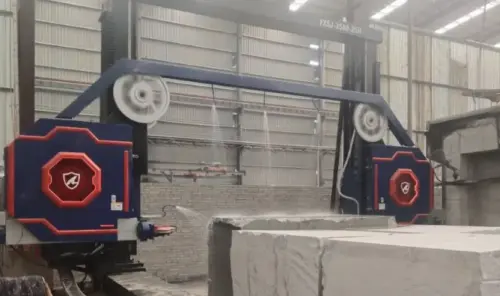
 English