
Understand the core principles of diamond core bits. Learn how segment hardness, bond matrix, and cooling paths affect performance and tool life on granite and concrete.
TL;DR: The Engineering Behind the Cut

  • The Core Principle: A diamond core bit doesn’t cut; it grinds. The metal bond (matrix) is designed to erode at a controlled rate, exposing new, sharp diamond crystals to do the work.
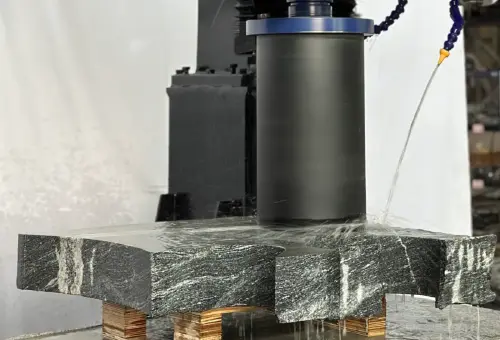
  • Wet vs. Dry Cooling: Wet drilling uses water to flush debris, cool the segments, and prevent dust. Dry drilling relies on air cooling and features like laser-welded, heat-resistant segments to survive extreme temperatures.
  • Bond Hardness is Key: The rule is simple: use a soft-bond bit for hard materials (like granite) and a hard-bond bit for soft, abrasive materials (like sandstone or green concrete). This ensures optimal wear and performance.
Have a technical question about segment hardness for your specific application? Our engineers can help.

金刚石取芯钻头-产品图@1.5x.webp

What Exactly is a Diamond Core Bit for Dimensional Stone Drilling?

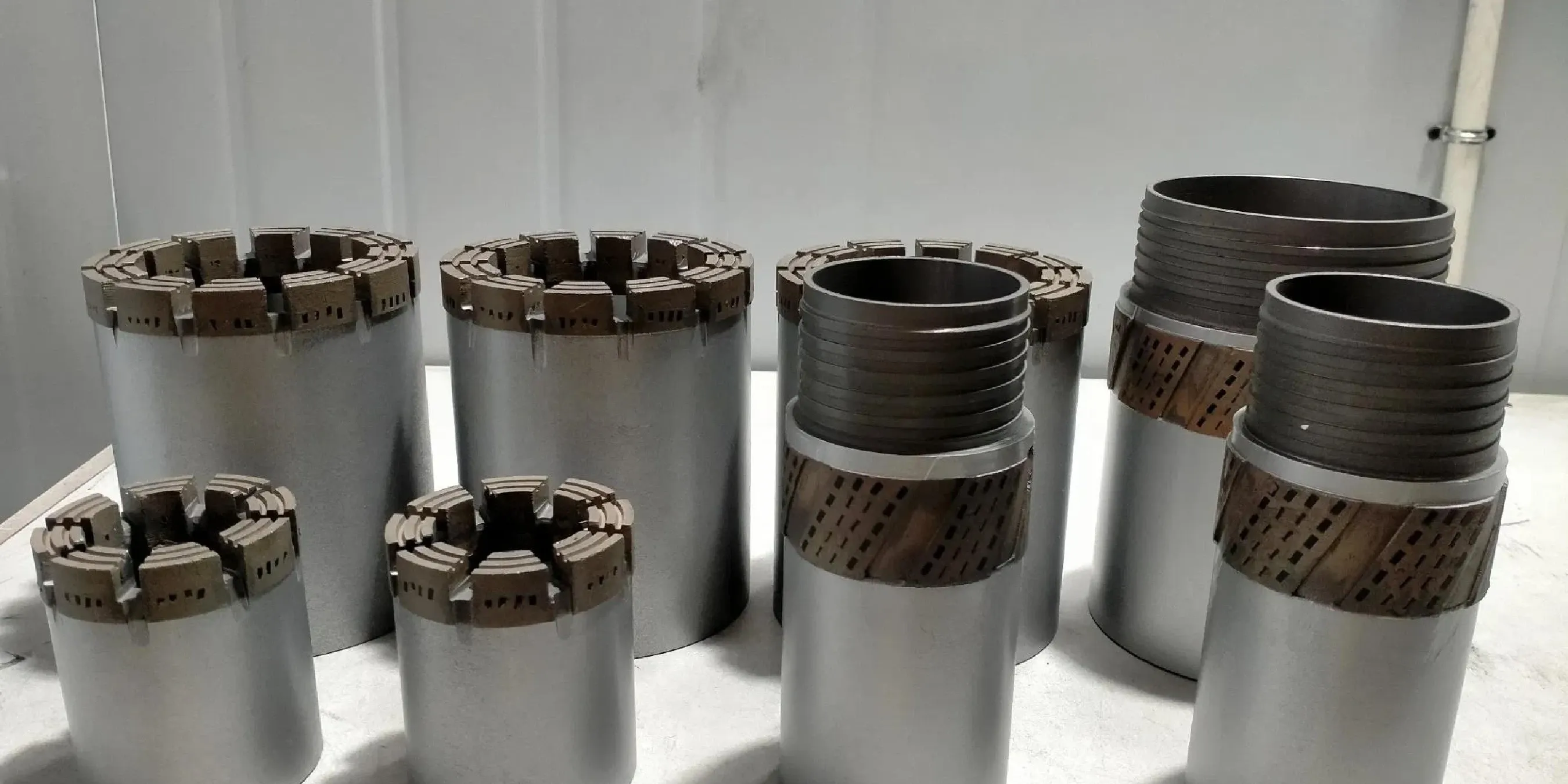
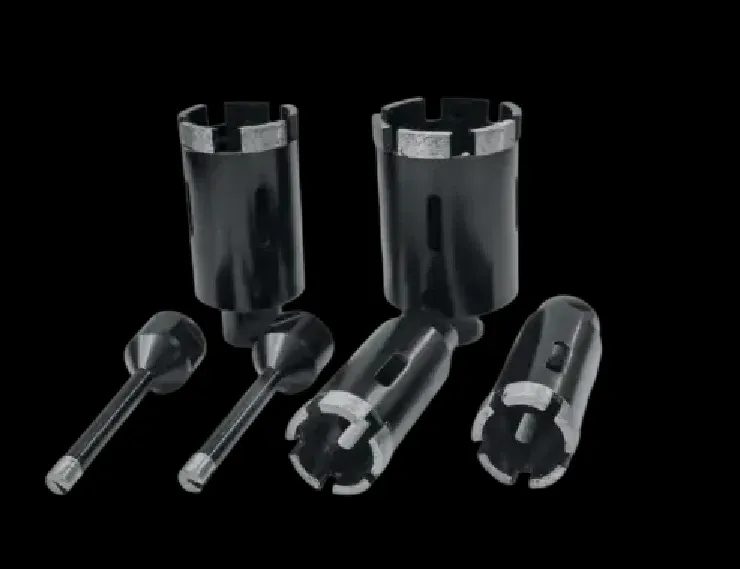
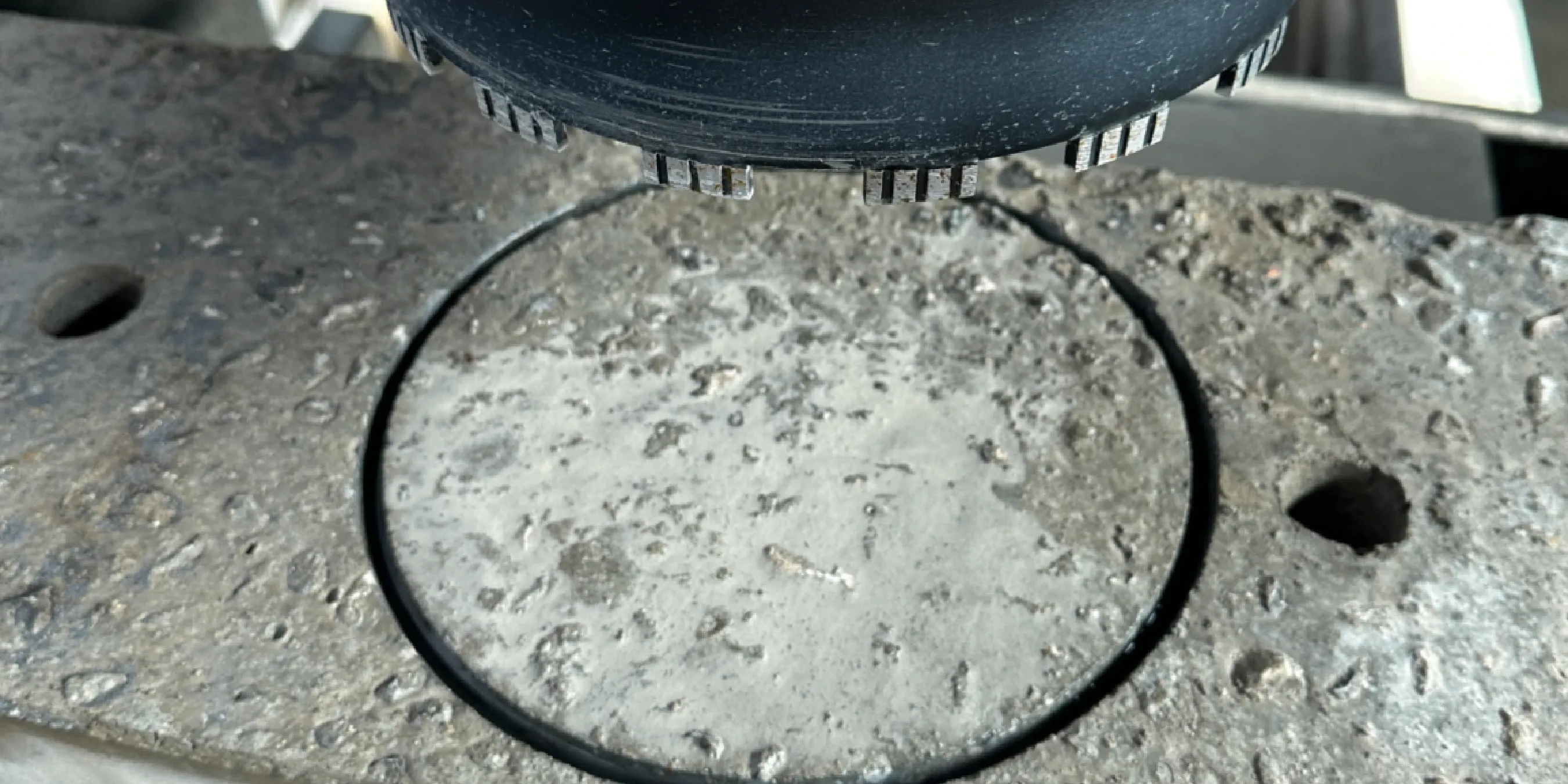
At its core, a diamond core bit is a precision grinding tool. It consists of a steel tube (the barrel) with diamond-impregnated segments brazed or laser-welded to the cutting end. Unlike a twist drill that shears material, a core bit functions by abrading a circular path (kerf), leaving the central "core" intact. This grinding action is what allows it to create clean, chip-free holes in extremely hard or brittle materials where conventional drilling methods would fail. The entire system—from the Diamond Segment for Core Drill Bit to the barrel's design—is optimized for this controlled abrasive process.

How Does the Architecture Enable Grinding in CNC Granite Core Bits?

The effectiveness of a core bit lies in the sophisticated interplay between its components. It's a system designed for controlled self-sharpening.
  • The Bond/Matrix: This is the metallic powder mixture that holds the diamond crystals. Its hardness is the single most critical factor. A soft bond erodes easily, exposing new diamonds quickly, which is ideal for hard, non-abrasive materials like granite. A hard bond resists erosion, which is necessary for soft, abrasive materials (like sandstone) that would otherwise wear down a soft bond too fast.
  • Diamond Concentration & Grit: Higher diamond concentration doesn't always mean better. It must be balanced with the bond hardness. Grit size determines the finish and speed; coarser grits (e.g., 30/40) cut faster but leave a rougher finish, while finer grits (e.g., 50/60) provide a smoother hole at a slower pace.
  • Cooling Paths (Wet vs. Dry): Wet bits have channels that force water to the cutting face, flushing out abrasive slurry, cooling the segments, and controlling hazardous silica dust. Dry bits are designed for air cooling, often featuring wider gaps between segments (castellations) and laser-welded construction that can withstand the intense heat buildup that would melt a standard brazed bond.

17@1.5x.webp

Why Does It Outperform Traditional Drilling Methods?

Compared to carbide-tipped masonry bits or hammer drills, the advantages of a diamond core bit in stone and concrete are stark, especially when precision is required.
  • Superior Edge Integrity: Hammer drills shatter the material, creating extensive micro-fractures and a chipped, messy hole. A core bit grinds precisely, leaving a clean, sharp edge with minimal subsurface damage. This is critical for aesthetic quality and structural integrity.
  • Precision and Repeatability: Because a core bit doesn't "wander," it produces perfectly round holes at the exact location intended. This is essential for high-tolerance work and repeatable processes, especially when using Automatic Drilling Machines (Gantry & Vertical).
  • Lower Stress on Material: The grinding action imparts far less vibration and stress into the workpiece compared to the percussive impacts of a hammer drill, drastically reducing the risk of cracking a valuable slab of granite or marble.

What Are the Core Components and Their Technical Details?

Component
Technical Guidance
Segment Specification
Turbo segments provide more aggressive, faster cutting with better cooling, while standard flat or crown segments offer a smoother finish and longer life. The choice depends on prioritizing speed vs. finish quality.
Bond Grade (Hardness)
This is the recipe of the metal matrix. A manufacturer-reported "soft" bond is for hard, non-abrasive stone like granite. A "hard" bond is for soft, abrasive materials like asphalt or green concrete. Using the wrong bond causes either glazing (no cutting) or premature wear.
Diamond Grit
Coarse grits (e.g., 30/40 mesh) remove material faster but leave rougher edges. Fine grits (e.g., 50/60 mesh) cut slower but produce a cleaner, chip-free hole, ideal for finish work on countertops.
Wall Thickness (Barrel)
A thin-wall core bit removes less material, resulting in faster penetration and less friction. However, they are less rigid and best suited for stable, rig-mounted setups. Standard, thicker walls offer greater durability for handheld use or demanding conditions.
Shank/Thread Type
Most common is the 5/8"-11 thread for handheld grinders and 1-1/4"-7 for larger rig-mounted drills. A "reverse threaded" bit is a crucial safety feature for drill motors that rotate counter-clockwise, preventing the bit from unscrewing during operation.

How Do You Mitigate Common Failures with Thin Wall Diamond Core Drills?

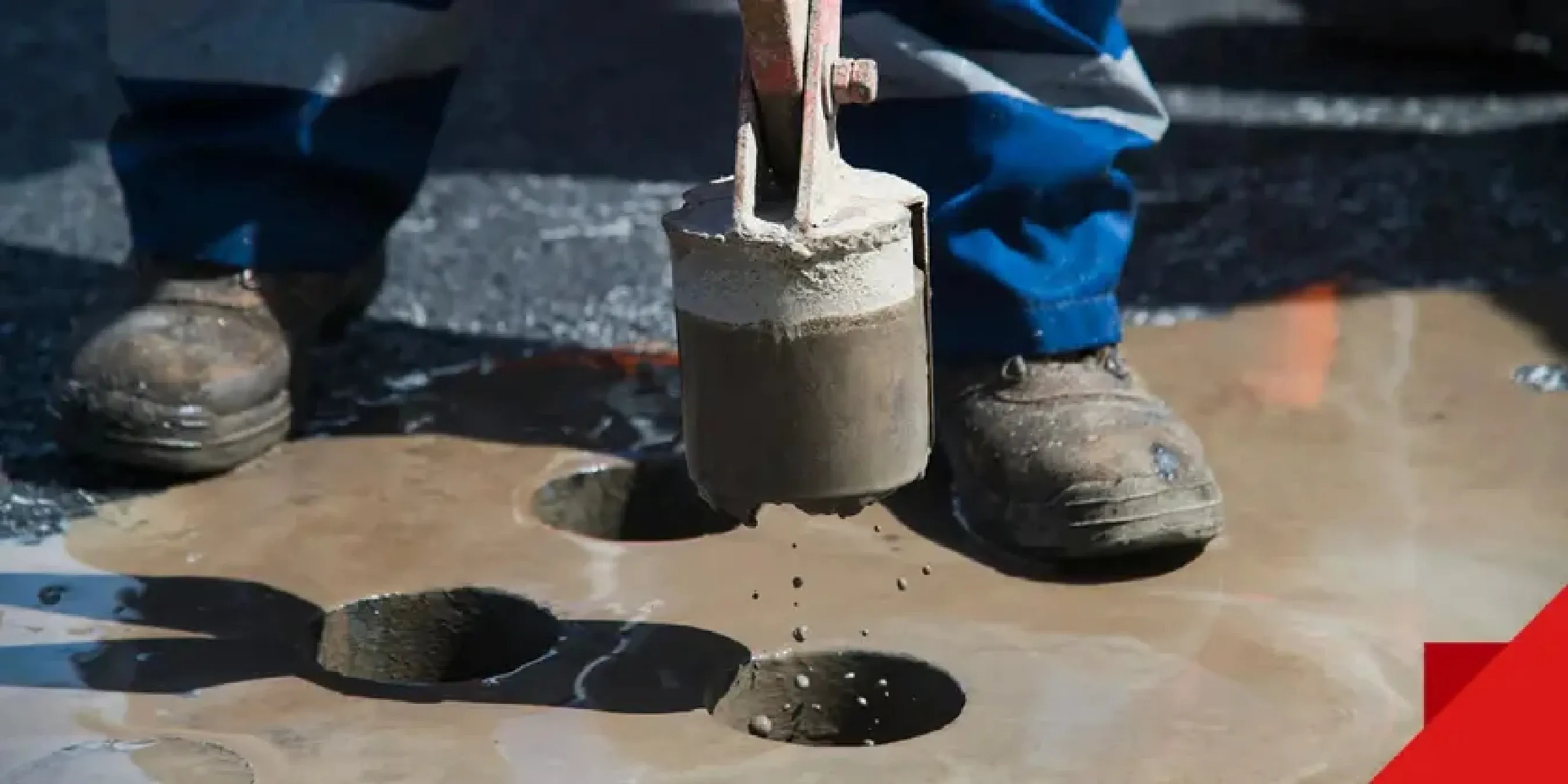
  • Symptom: Glazing (Bit stops cutting and polishes the stone). Mitigation: This means the bond is too hard for the material. "Dress" the bit by running it through an abrasive material (like a cinder block) to expose new diamonds. If the problem persists, switch to a softer bond bit.
  • Symptom: Bit Wandering (Hole starts off-center). Mitigation: For handheld drills, start at a 45° angle to create a crescent-shaped groove, then slowly pivot the drill to a 90° angle. For rig-mounted drills, ensure the stand is securely anchored and level.
  • Symptom: Premature Segment Loss. Mitigation: This is usually caused by excessive heat (insufficient water cooling), using a wet bit for dry cutting, or extreme vibration. Ensure constant water flow. If dry cutting, allow the bit to cool in the air periodically. A longer-lasting industrial bit with laser-welded segments is far more resistant to heat-related failure.

15@1.5x.webp

How Do You Match Starting Settings to the Material?

While manufacturer specifications are paramount, these general principles provide a solid starting point for adjusting your technique.
  • For Hard Granite: Use low RPM and light, steady feed pressure. This allows the soft bond to erode correctly. If you hear a high-pitched squeal, the RPM is likely too high or pressure too low, causing glazing.
  • For Soft Marble: Use a moderate RPM and gentle feed pressure. Applying too much force can cause chipping or micro-fractures in this more delicate material.
  • For Engineered Stone (Quartz): Strict and continuous cooling is the most critical factor. The resins in quartz can melt and load up the bit segments. Use moderate speed and ensure a high volume of water is flushing the cut at all times.

Frequently Asked Questions (FAQ)

What does 'segment hardness' really mean?

It refers to the hardness of the metal bond holding the diamonds, not the diamonds themselves.
  • Context: The bond must wear away to expose new, sharp diamond crystals. The "segment hardness" must be inversely matched to the material's hardness.
  • Guidance: Hard materials (granite) need a soft bond to allow for quick diamond exposure. Soft, abrasive materials (sandstone) need a hard bond to resist being worn away too quickly.
  • Next Step: Always confirm the material you are drilling and select a bit with the appropriate bond hardness for maximum efficiency and life.

13@1.5x.webp

Why is water so important in wet core drilling?

Water serves three critical engineering functions: cooling, lubrication, and dust suppression.
  • Context: The friction from grinding stone generates immense heat, which can damage the diamond segments and the steel barrel. It also creates fine, hazardous dust.
  • Guidance: Water absorbs heat, preventing segment failure. It also flushes the abrasive slurry from the cut, allowing the bit to work efficiently. Critically, it turns silica dust into a manageable slurry. According to OSHA's standard on respirable crystalline silica, wet methods are a primary engineering control for worker safety.
  • Next Step: For any wet bit, ensure a constant and sufficient flow of water through the center of the bit during the entire drilling process.

How do I choose the right diamond grit size?

The choice is a trade-off between cutting speed and the quality of the hole's finish.
  • Context: Diamond grit size, measured in mesh, determines how aggressively the bit removes material.
  • Guidance: Use coarser grits (e.g., 30/40 mesh) for faster cutting speed, which is ideal for bulk material removal. Use finer grits (e.g., 50/60 mesh) for a smoother, chip-free finish, which is critical for aesthetic applications like countertops.
  • Next Step: Match the grit size to your material and finish requirements. If unsure, a medium grit offers a balance between speed and quality for general use.

Do I need a reverse-threaded core bit?

You only need one if your drill motor rotates counter-clockwise.
  • Context: Some specialized or older drilling equipment operates with a counter-clockwise rotation. A reverse-threaded bit is a critical safety feature for these machines.
  • Guidance: Using a standard (clockwise) bit on a counter-clockwise motor will cause the bit to loosen during operation, creating a significant safety hazard. The reverse thread ensures the bit tightens during use.
  • Next Step: Always check your drill motor's specifications. If the manual specifies a reverse thread or counter-clockwise rotation, you must use a compatible bit.

What starting RPM should I use for granite with a 2-inch bit?

A conservative low RPM is the best starting point; adjust based on sensory feedback.
  • Context: Optimal RPM depends on drill rig power, bit diameter, coolant flow, and material hardness. A smaller diameter bit can typically run faster than a larger one.
  • Guidance: Begin at a low RPM and listen. Adjust based on sound, chip quality, and temperature. A high-pitched squeal often means the RPM is too high. Manufacturer-reported ranges for hard granite are typically lower than for softer materials.
  • Next Step: Run test cuts on a scrap piece. Start low and gradually increase RPM, ensuring the bit remains cool to the touch and cuts smoothly without glazing.

 How do I prevent the bit from wandering at startup?

This common issue is caused by off-axis forces on a smooth surface and can be prevented with proper technique.
  • Context: The flat face of a core bit has no central point to guide it, so it tends to "walk" across a polished surface before it begins to cut.
  • Guidance: For handheld drilling, start at a ~45-degree angle to notch a small crescent groove in the stone. Once the groove is established, slowly pivot the drill to a 90-degree angle. For rig-mounted systems, ensure the rig is securely anchored and perfectly level.
  • Next Step: Use a physical guide (e.g., a piece of plywood with a hole drilled in it) for extra stability. Before drilling, verify there is no runout (wobble) in your drill spindle.