Your Guide to Thin Slab Cutting with a Multi-Wire Saw Machine
lizzy·Nov 25, 2025·6 MIN READ
lizzy·Nov 25, 2025·6 MIN READ
Discover how a CNC multi-wire saw enables precision cutting of marble, onyx, and granite slabs. Learn about material compatibility, 0.5mm kerf benefits, and processing boundaries.
TL;DR: What You Need to Know
Can it cut thin slabs? Yes, this Multi-Wire Saw Machine excels at producing slabs as thin as 3mm from high-value materials like marble and onyx, maximizing your block's potential.
How does it improve yield? With an ultra-thin 0.5mm kerf, it wastes significantly less material, increasing slab output by up to 30% compared to traditional gang saws.
What's the next step? Define your material and thickness needs, then review the starting parameters in this guide to see how it fits your workflow.
Can This Multi-Wire Saw Machine Cut My Material? And How?
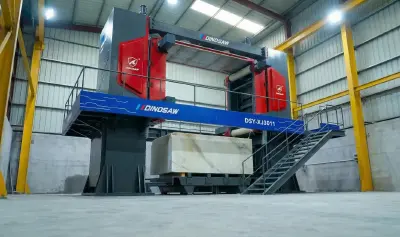
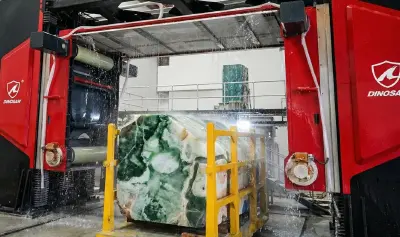
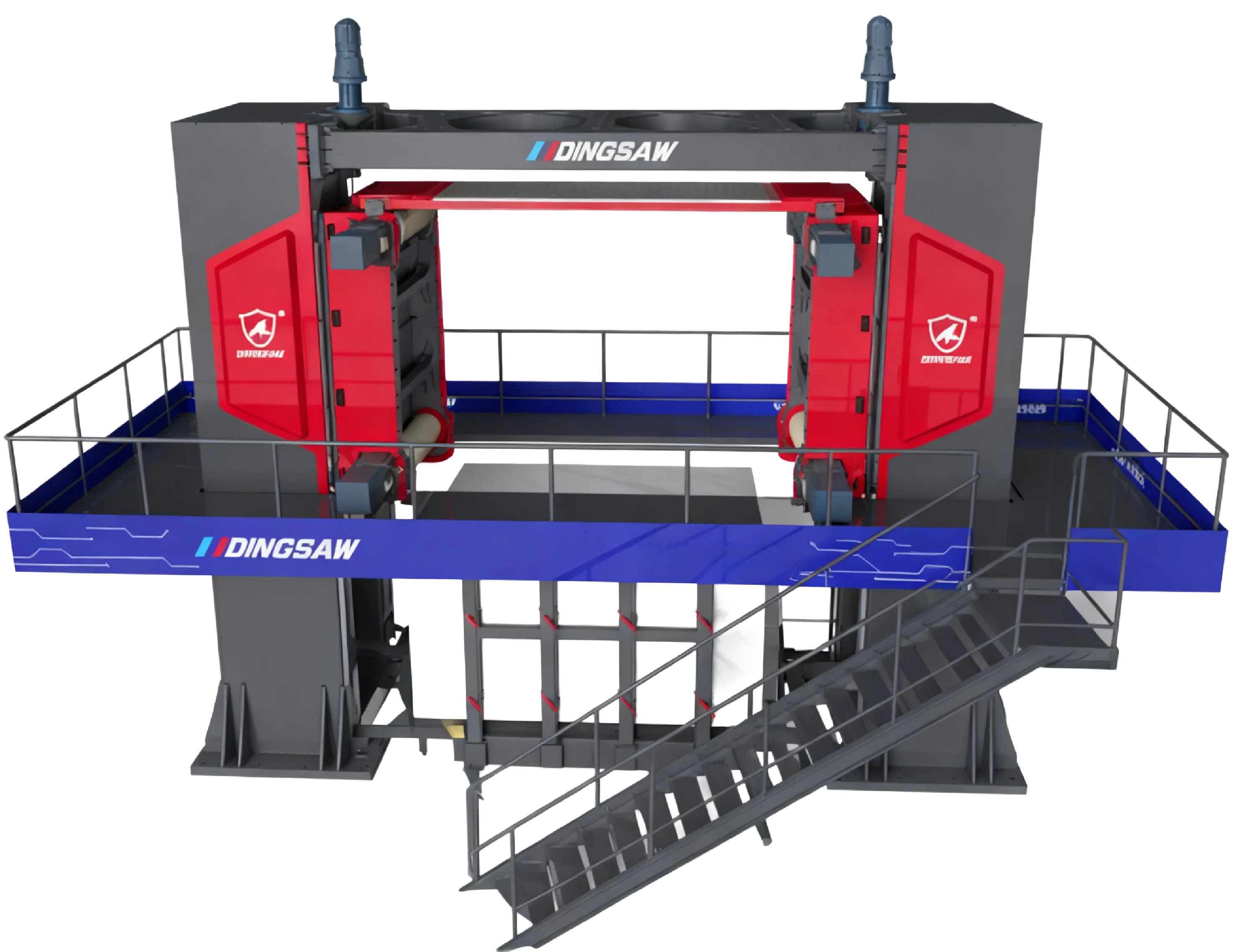
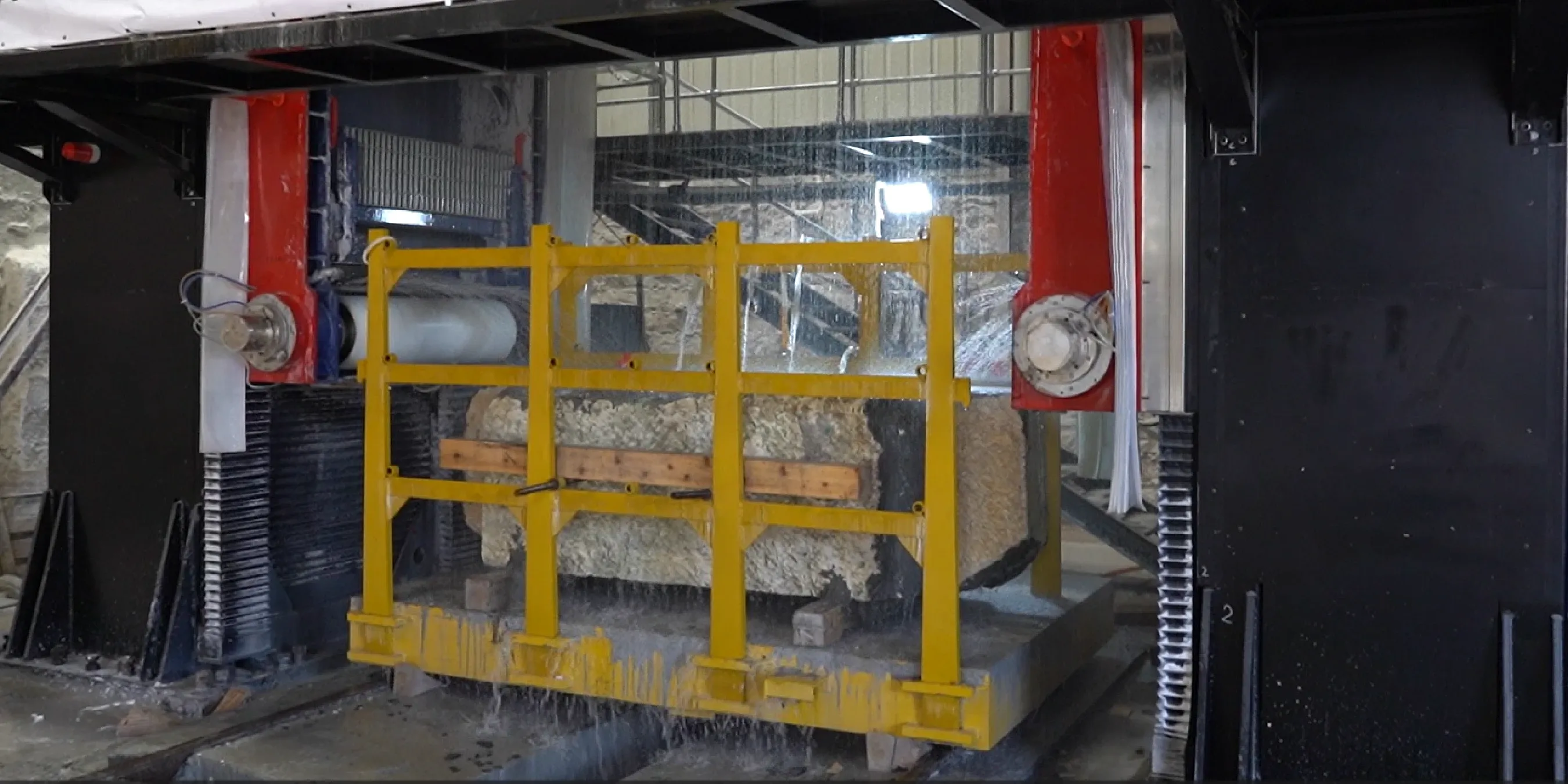
If you're a stone fabricator, distributor, or project manager, that’s the first question you ask. The answer is a definitive yes. The CNC Diamond Multi-Wire Saw is engineered specifically for cutting high-value stone blocks—like marble, granite, and exotic onyx—into thin, precise slabs. It's not just about cutting; it's about transforming a raw block into maximum value with minimal waste. This guide will walk you through what the machine can do, its material compatibility, and the key parameters you need to get started.
What Can You Achieve with a Multi-Wire Saw?
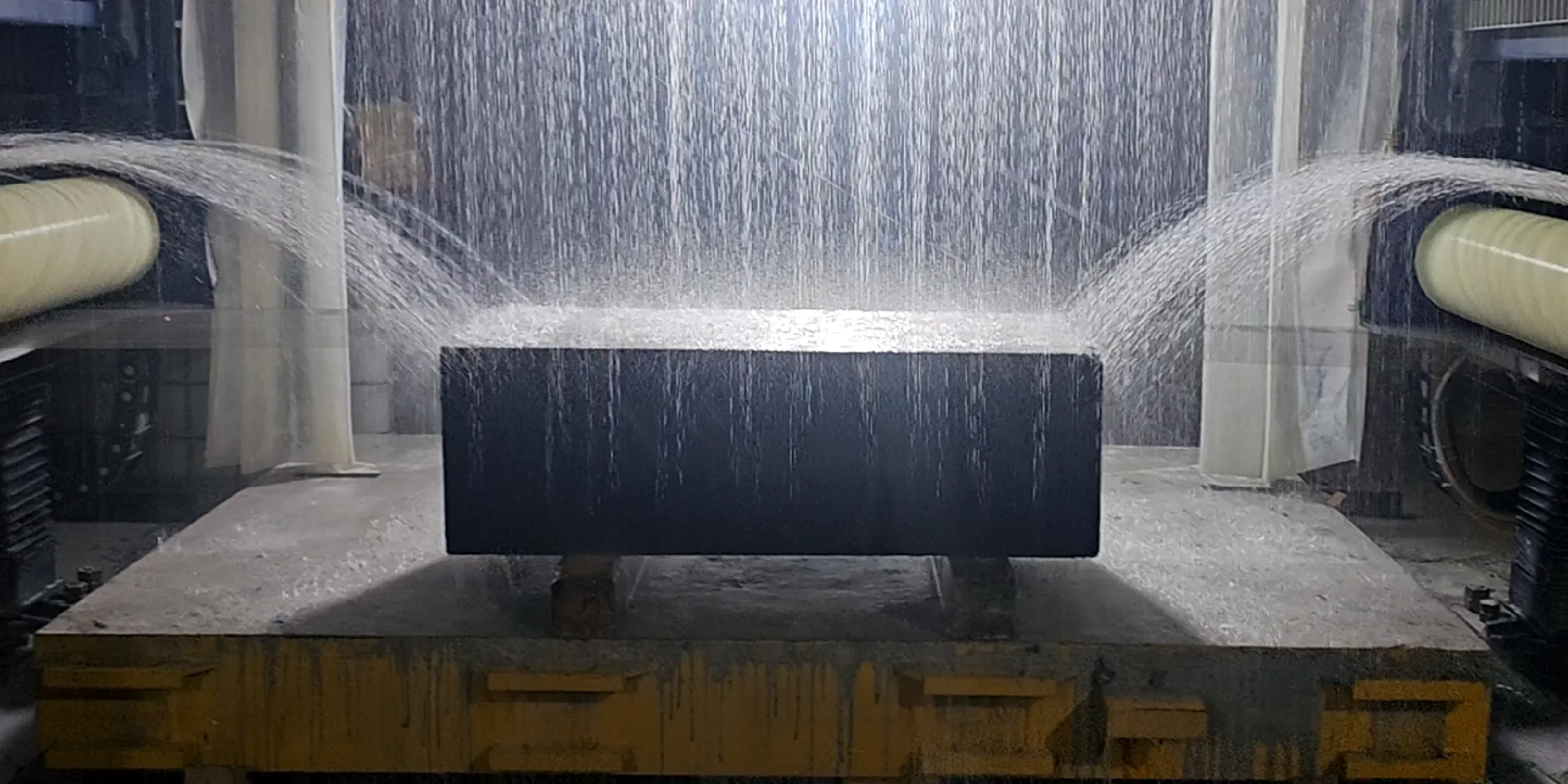
From a practical standpoint, this technology unlocks new possibilities for architectural and design projects. The machine’s precision allows for the creation of ultra-thin stone panels (3-12mm), perfect for applications where weight is a concern, such as high-rise building facades or interior feature walls. The clean, consistent cuts enable perfect book-matching, allowing you to create stunning, continuous patterns across large surfaces. Most importantly, the machine’s ultra-narrow 0.5mm kerf (cutting width) dramatically improves your slab yield. You get more finished product from every single block, which directly boosts your bottom line. For detailed specifications, you can review the Multi-Wire Saw specs.
Material & Processing Compatibility
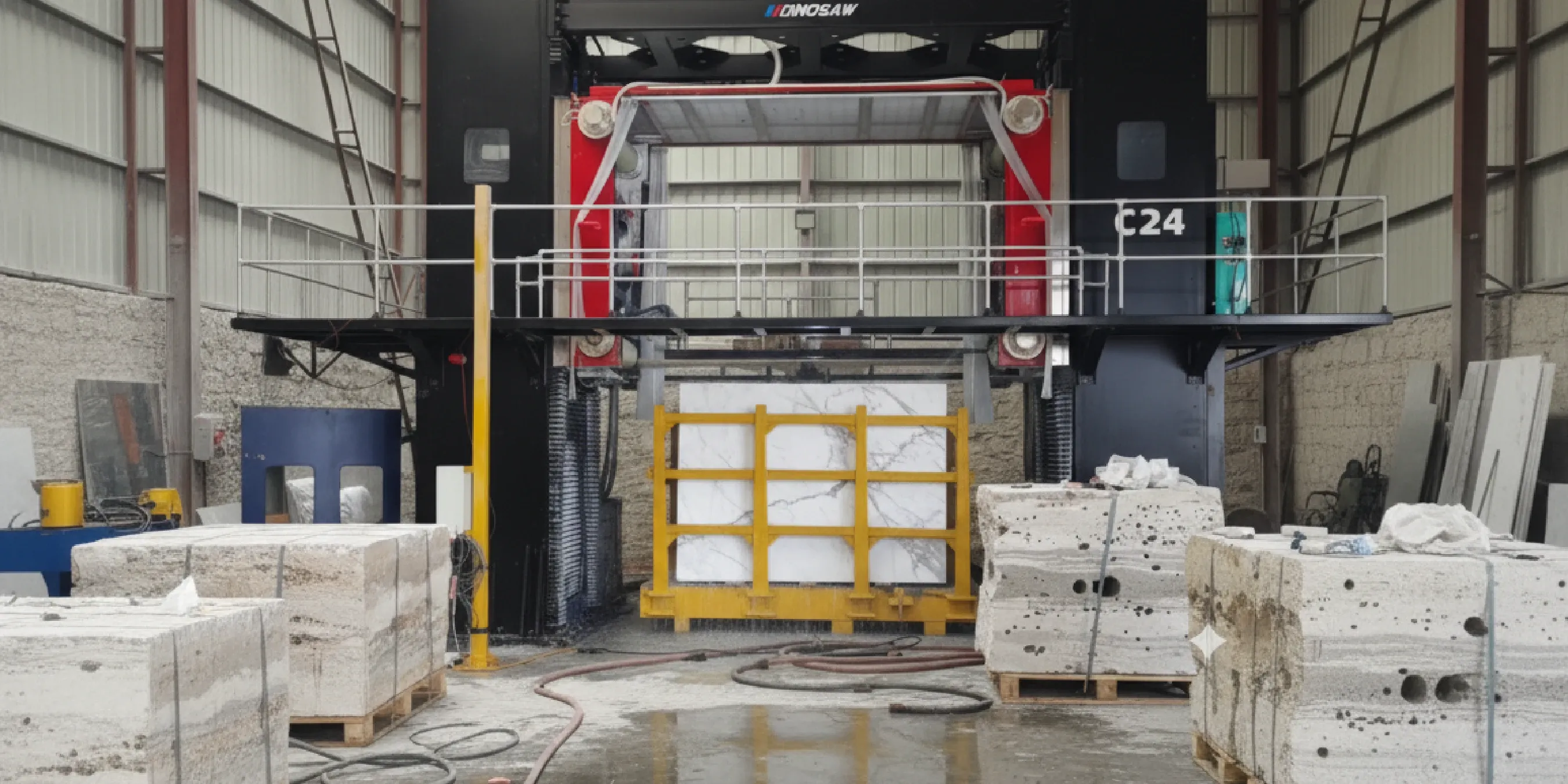
This machine is versatile, but it truly shines when working with high-value decorative stones. Here’s a breakdown of what you can process:
Premium Marbles: Includes varieties like Calacatta, Carrara, and Fendi White. Ideal for achieving consistent thinness without compromising the stone's delicate veining.
Travertine & Onyx: Materials like Italian Silver Travertine and translucent Onyx can be cut into thin panels for backlit applications, thanks to the machine’s low-vibration system.
Exotic & Luxury Stones: Successfully processes rare materials like Blue Bahia, Prada Green, and Bolivia Blue, where minimizing waste is paramount.
Parameter
Typical Range
Notes
Typical Thickness
3 mm – 12 mm
Harder materials like granite or dense onyx are best cut at ≥5mm.
Surface Roughness
Ra ≈ 2.0 (manufacturer-reported)
Superior finish reduces subsequent polishing time and costs.
Processing Boundaries: What to Cut and What to Avoid
Understanding the machine's limits is crucial for success.
Ideal For:
High-value decorative stone blocks.
Marble slabs with a target thickness of ≥3mm.
Onyx and harder stones with a thickness of ≥5-6mm.
Projects requiring consistent thickness tolerance of ±0.2mm.
Not Recommended For:
Ultra-thin cutting of stone with large voids or pre-existing fractures.
Oversized blocks that exceed the machine's processing dimensions and travel limits (refer to the product specification table).
Materials that are extremely abrasive without specialized diamond wire.
How to Process: Key Starting Parameters
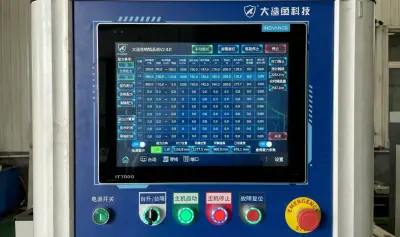
While the machine's CNC system automates much of the process, having the right starting point is key. These parameters should always be fine-tuned based on material density and crystal structure.
Wire Speed:Start with a moderate speed, allowing the CNC system to adapt. Perform a test cut on a small area first and adjust based on the material feedback.
Feed Rate:Begin with a conservative rate within the 0-200 mm/h range, increasing incrementally based on the resulting surface quality and wire load.
Diamond Wire Tension:Start in the mid-to-high range (e.g., 100–200 N for marble, moderately higher for harder stone) and let the closed-loop servo system auto-adjust for optimal, consistent tension (manufacturer-reported).
Important Prerequisites: Always ensure the stone block is securely clamped. Use ample cooling water to prevent wire damage and manage dust. Operators must always wear appropriate Personal Protective Equipment (PPE), including safety glasses, hearing protection, and respirators.
Scenario-Based Advantages vs. Traditional Methods
Why upgrade from a traditional gang saw or single-wire saw? The advantages are clear and measurable.
Initial Problem: High material waste cutting valuable jade blocks.
Solution: Implemented the multi-wire saw with 0.5mm kerf technology.
Result: Achieved a 35% improvement in material yield and eliminated secondary processing (manufacturer-reported).
Replication: Applicable for any high-value, semi-precious stone where maximizing yield is critical.
Italian Travertine
Initial Problem: Inconsistent thickness for museum floor panels, leading to installation issues.
Solution: Used the multi-wire saw’s low-vibration system for cutting large panels.
Result: Produced perfectly uniform 5mm thick panels with no edge chipping, meeting strict architectural specifications.
Replication: Ideal for large-format architectural projects requiring precise thickness and pattern matching.
Luxury Onyx
Initial Problem: Frequent wire breakage and material damage when cutting translucent onyx.
Solution: Leveraged the machine’s auto-adjusting tension control.
Result: Cut consistent 6mm panels for hotel room dividers and reduced wire breakage by 80% (manufacturer-reported).
Replication: A must-have for fabricators working with delicate, internally varied, or crystalline materials.
The journey to perfect slabs starts with the right blocks from the quarry. A high-quality Quarry wire saw ensures your raw material is extracted without micro-fractures, setting the stage for successful processing.
Risks, Prerequisites, and Safety Compliance
Operating heavy machinery requires a commitment to safety. Here is a checklist to ensure safe and compliant operation:
Dust & Water Management:Ensure the cooling and slurry removal systems are functioning correctly to manage silica dust, a known health hazard. Proper wastewater treatment is also essential for environmental compliance. According to occupational health guidelines, long-term exposure to silica dust can cause serious respiratory diseases.
Noise Exposure: Although quieter than gang saws, the machine still operates at levels that require hearing protection (PPE). Adhere to local occupational noise exposure limits.
Electrical & Mechanical Safety: Conduct daily checks of electrical cabinets, emergency stops, and safety guards. Ensure all moving parts are properly shielded before operation.
Summary: Is a Multi-Wire Saw Right for You?
If your business focuses on high-end stone fabrication where material yield, precision, and surface quality are critical competitive advantages, the CNC Multi-Wire Saw is a strategic investment. It excels at producing thin slabs from valuable materials, reducing waste, and automating a traditionally labor-intensive process. Once cut, these slabs can be finished on a Stone polishing line and perfected with an Edge processing machine to create a complete, high-efficiency production workflow.
Frequently Asked Questions (FAQ)
How thin can marble slabs be cut?
The machine's capability to produce ultra-thin slabs is a primary advantage, but the minimum thickness depends on the stone's properties.
Context:The CNC multi-wire saw can reliably cut marble down to 3mm, which is perfect for lightweight applications like wall cladding or furniture where weight reduction is a key design factor.
Boundary:For harder or more fragile materials like dense onyx or granite, a minimum thickness of 5-6mm is recommended to ensure the slab maintains its structural integrity and avoids micro-fractures during handling.
Next Step:Before planning a project, review theMulti-Wire Saw specs and consult with our material experts to confirm the optimal thickness for your specific stone.
What is the typical yield gain versus a gang saw?
The improvement in material yield is one of the most significant financial benefits of upgrading to this technology.
Context:You can expect a slab yield increase of 10-30% (manufacturer-reported). This gain comes from the ultra-thin 0.5mm cutting kerf, which turns far less of your valuable block into dust compared to a gang saw’s 2-5mm kerf.
Boundary:The exact gain depends on the block size, slab thickness, and material type. The highest gains are seen with high-value materials where every millimeter of stone saved translates directly to increased profit.
Next Step:To quantify the potential ROI for your business, contact us for a comparative analysis based on your current production metrics and material costs.
Can I cut slabs of different thicknesses in a single run?
Yes, this feature adds significant flexibility to your production planning, allowing you to fulfill complex orders more efficiently.
Context:The machine uses Variable Spacing Technology, which allows operators to program custom distances between each diamond wire. This means you can cut a mix of 5mm, 10mm, and 20mm slabs from the same block in one cycle.
Boundary:While powerful, this capability should be used with care. Large differences in thickness between adjacent slabs can increase the risk of wire jumping or vibration. It is best suited for gradual variations in thickness.
Next Step:For any mixed-thickness cutting jobs, we strongly recommend consulting our technical team for setup guidance to ensure a smooth, risk-free operation.
What are the recommended starting parameters for onyx?
Onyx requires a careful approach due to its crystalline structure and variable density, but the machine is designed to handle it.
Context:We recommend a conservative start: a moderate wire speed and a slow feed rate (e.g., in the lower half of the 0-200 mm/h range). The diamond wire tension should start in the mid-to-high range and allow the machine’s adaptive system to take over.
Boundary:These are starting points only. The machine’s real-time feedback sensors will analyze the stone's response and automatically optimize the parameters for the best balance of speed and quality.
Next Step:Always perform a small test cut on a corner of the block to allow the CNC to calibrate its adaptive settings before commencing the full cut.
Is noise exposure lower with a multi-wire saw?
Yes, the difference is significant and contributes to a much better and safer working environment.
Context:The multi-wire saw operates at 60-80 dB, which is comparable to a busy office. In stark contrast, traditional gang saws can generate 110-130 dB, a level that poses a serious risk to hearing.
Boundary:While much quieter, the 60-80 dB level still requires hearing protection (PPE) for operators during prolonged exposure, in line with occupational health and safety standards.
Next Step:Incorporate the reduced noise levels into your company's health and safety assessments, as it's a key benefit for both compliance and employee well-being.
How can I avoid wire breakage when cutting travertine?
Travertine's natural voids and density variations can pose a challenge, but the machine has built-in features to mitigate this risk.
Context:The machine’s precision tension control is the best defense. It automatically senses changes in resistance as the wires pass through voids or dense sections and adjusts the tension in real-time to maintain a consistent force.
Boundary:This automated system works best when paired with correct setup. Ensure the block is securely fixtured to prevent any movement, and start with a slightly reduced feed rate to give the system more time to react to material changes.
Next Step:If you frequently process stone with high variability, consult our support team about specialized diamond wires designed for such conditions.





 中文
中文 Italian
 Türkçe
 Português
 Español
 Deutsch
 العربية
 Tiếng Việt
 Français
 Русский






 Nov 25, 20256 MIN READ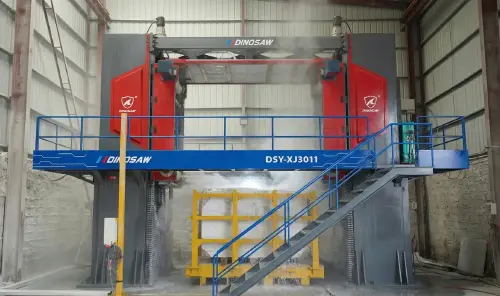
 Can This Multi-Wire Saw Machine Cut My Material? And How?
 Material & Processing Compatibility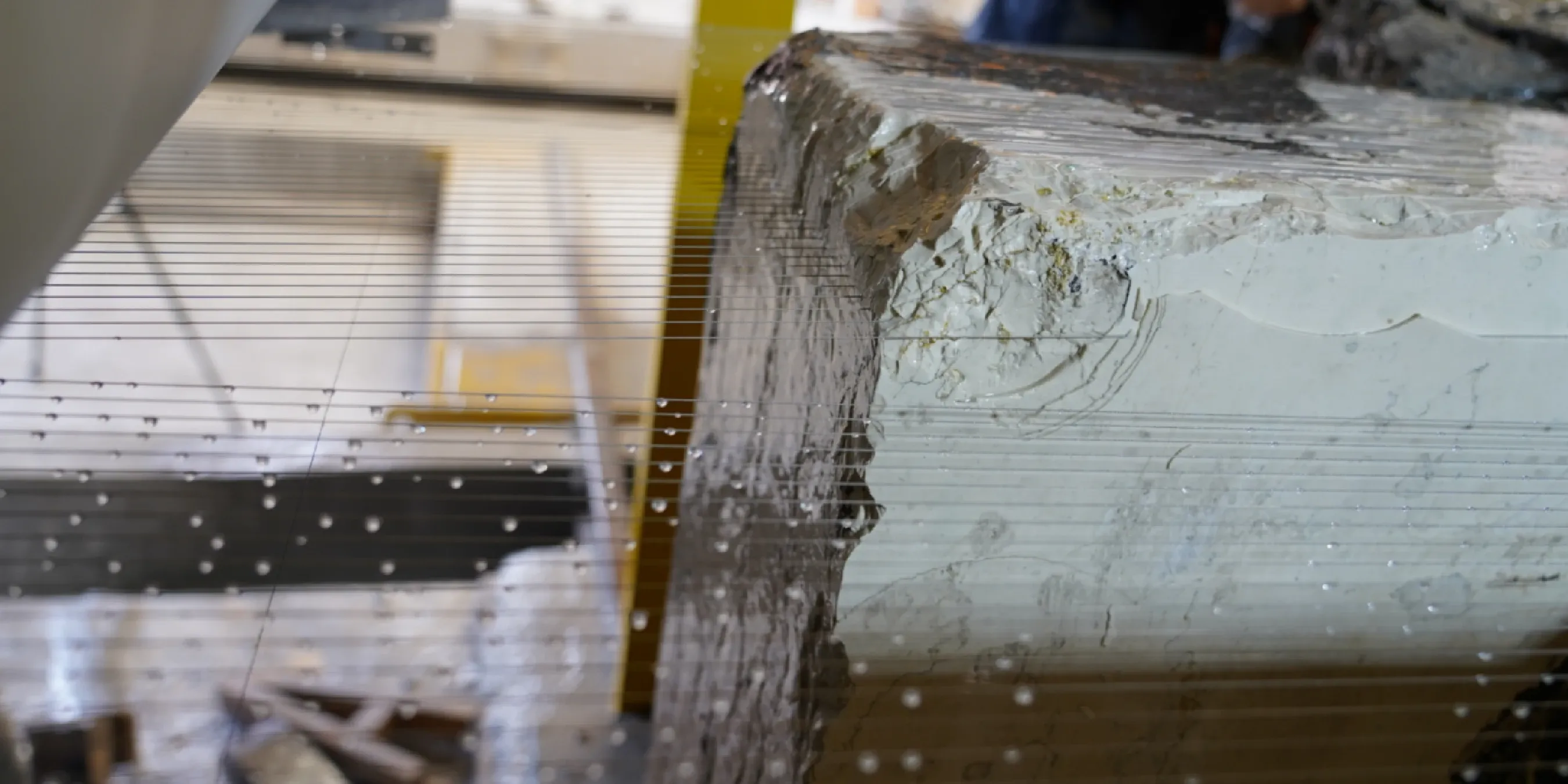
 English