How to Square Blocks With a Diamond Wire Saw | For Stone , Steel & more
Lizzy·Oct 16, 2025·6 MIN READ
Lizzy·Oct 16, 2025·6 MIN READ
Get straight cuts and ±1 mm squareness on stone, concrete or steel. We cover wire tension, guide
wheel setup, and cutting parameters for low kerf loss
If your operation needs clean, low-stress straight cuts and precise block geometry, a diamond wire saw is your most practical solution. When you're dressing raw quarry blocks or cutting tough materials like reinforced concrete, this technology gives you a level of control and material efficiency that other methods just can't match. Getting it right means starting every subsequent process—from slabbing to polishing—with a perfectly prepared workpiece.
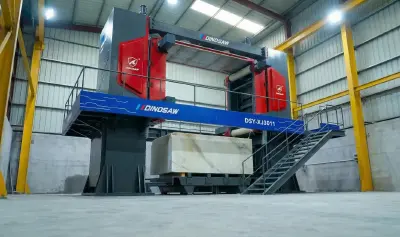
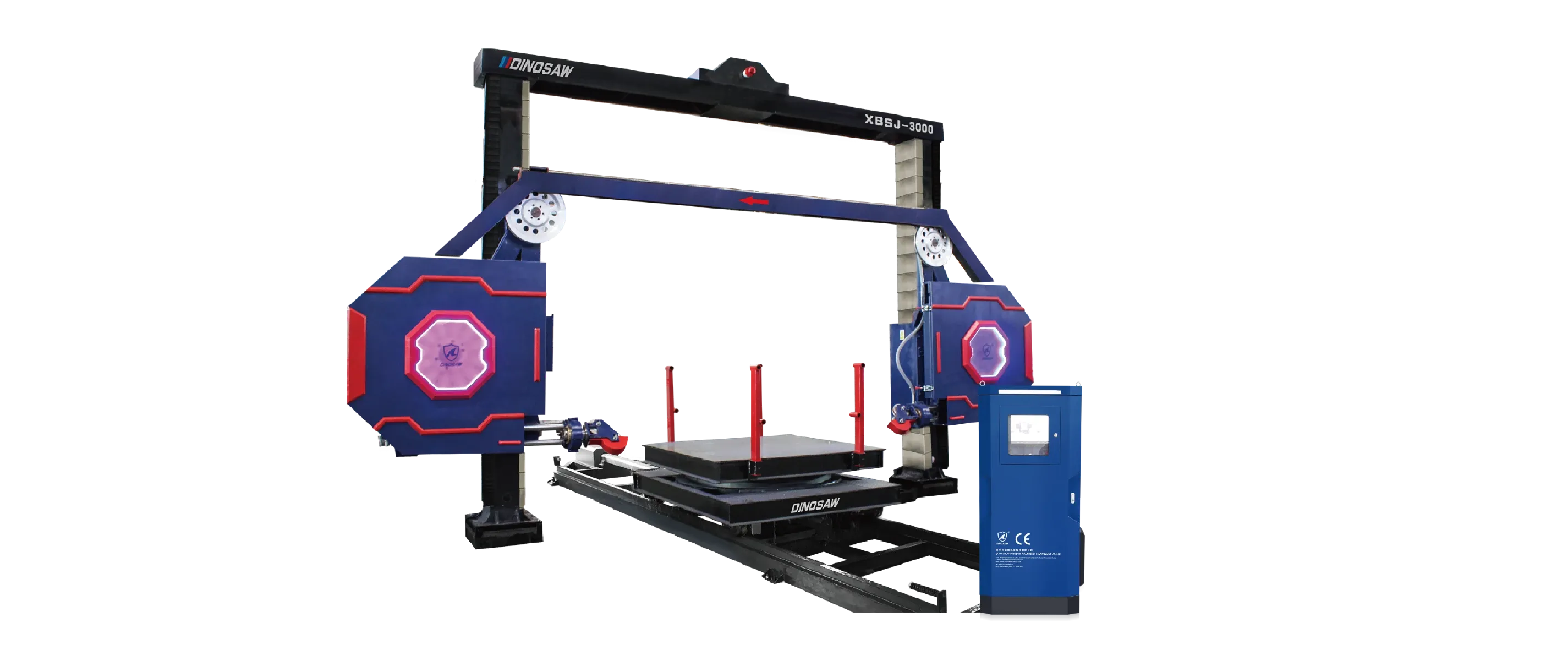
This guide shows what you can realistically achieve with aBlock Squaring Diamond Wire Saw, including its operational limits and how it delivers a manufacturer-reported squareness tolerance of ±1 mm.
What Can This Machine Actually Do For Your Workshop?
Think of this machine as your go-to workhorse for primary block preparation. Its capabilities extend far beyond just squaring stone. You can use it to:
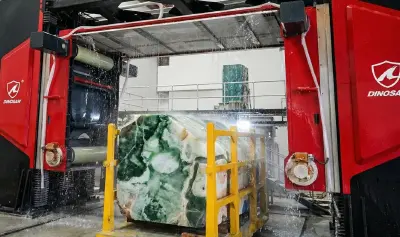
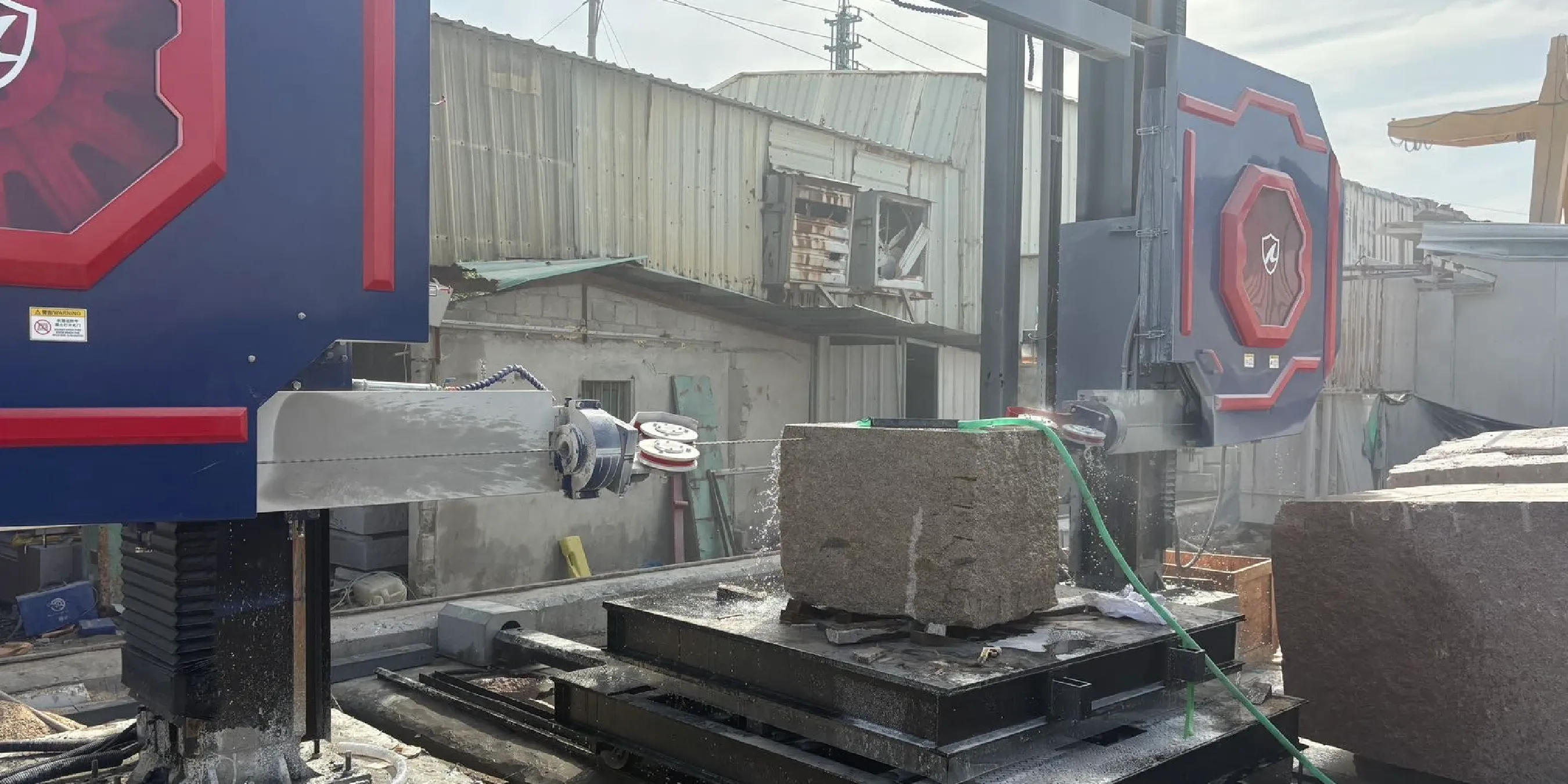
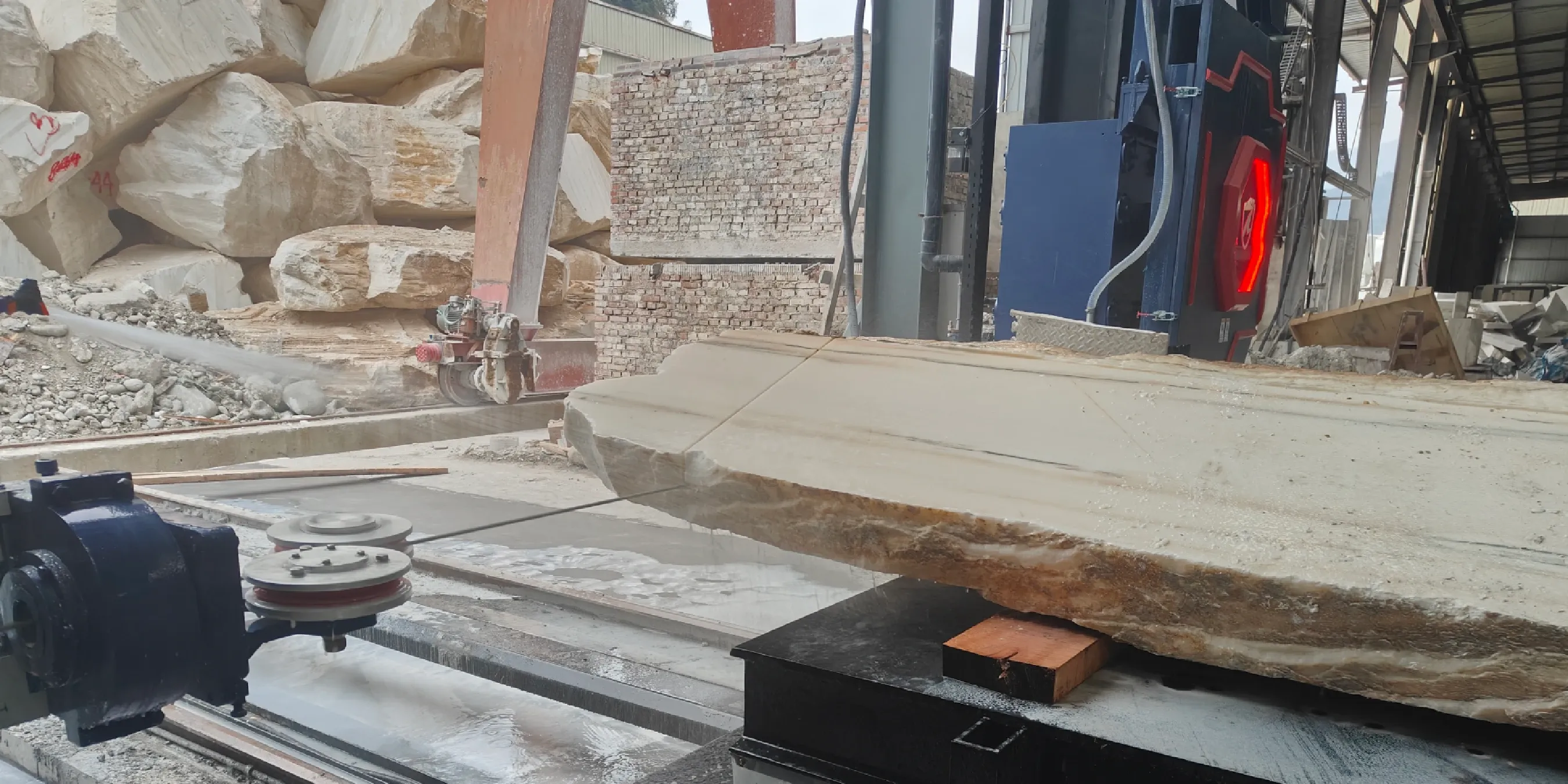
Square Raw Stone Blocks: Turn irregular quarry blocks of granite, marble, or sandstone into perfectly dimensioned cubes, ready for the next stage.
Trim and Correct Faces: Easily shave off uneven surfaces, remove defects, or fix blocks that are out-of-square, twisted, or bowed. You'll significantly reduce waste.
Make Powerful Straight Cuts: The machine isn't limited to stone. You can get clean, straight cuts through reinforced concrete, refractory bricks, and even large steel beams.
Is This the Right Machine for Every Job?
Knowing what a machine *can't* do is as important as knowing what it can. This block squaring saw is a specialist. It excels at straight-line precision, but other tasks are better suited for different tools in our lineup:
If you need complex shapes or contours, this machine won't work. It's for straight cuts only. For curves and profiles, the right tool is a CNC Wire Saw.
If you're cutting directly at the quarry, you need a more mobile and rugged machine. This saw's stationary structure is designed for workshop precision. For the quarry face, you need a Quarry Wire Saw Machine.
If you're just splitting large blocks for transport, and don't need high precision, the smaller, lower-power Portable Wire Saw Machine is a more suitable choice.
How Do You Minimize Waste with Low Kerf Loss?
One of the biggest advantages you get with diamond wire over large blades is minimal kerf—the width of material removed by the cut. A thinner cut means less of your valuable material turns into dust, which directly increases your block yield. This is especially critical when you're working with high-value granite or marble.
Compared to a bridge saw's wider kerf, a wire saw's low kerf and reduced internal stress make it a superior choice for handling irregular or fragile blocks. Its stable structure gives it another edge over a quarry wire saw; while a quarry saw is built for rough extraction, this machine is engineered for the high-precision (±1 mm, manufacturer-reported) environment of a fabrication shop.
What's the Workflow for Processing a Block?
Mark Your Reference Edges: Clearly mark the desired cutting lines on the block.
Align the Block: Secure the workpiece on the machine's trolley, making sure it's perfectly aligned with the wire's path.
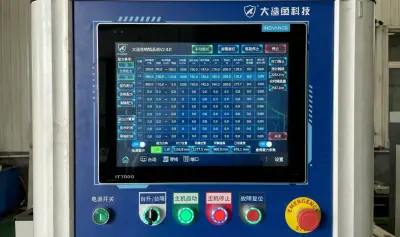
Set Your Parameters: Adjust the wire speed based on the material type and block size.
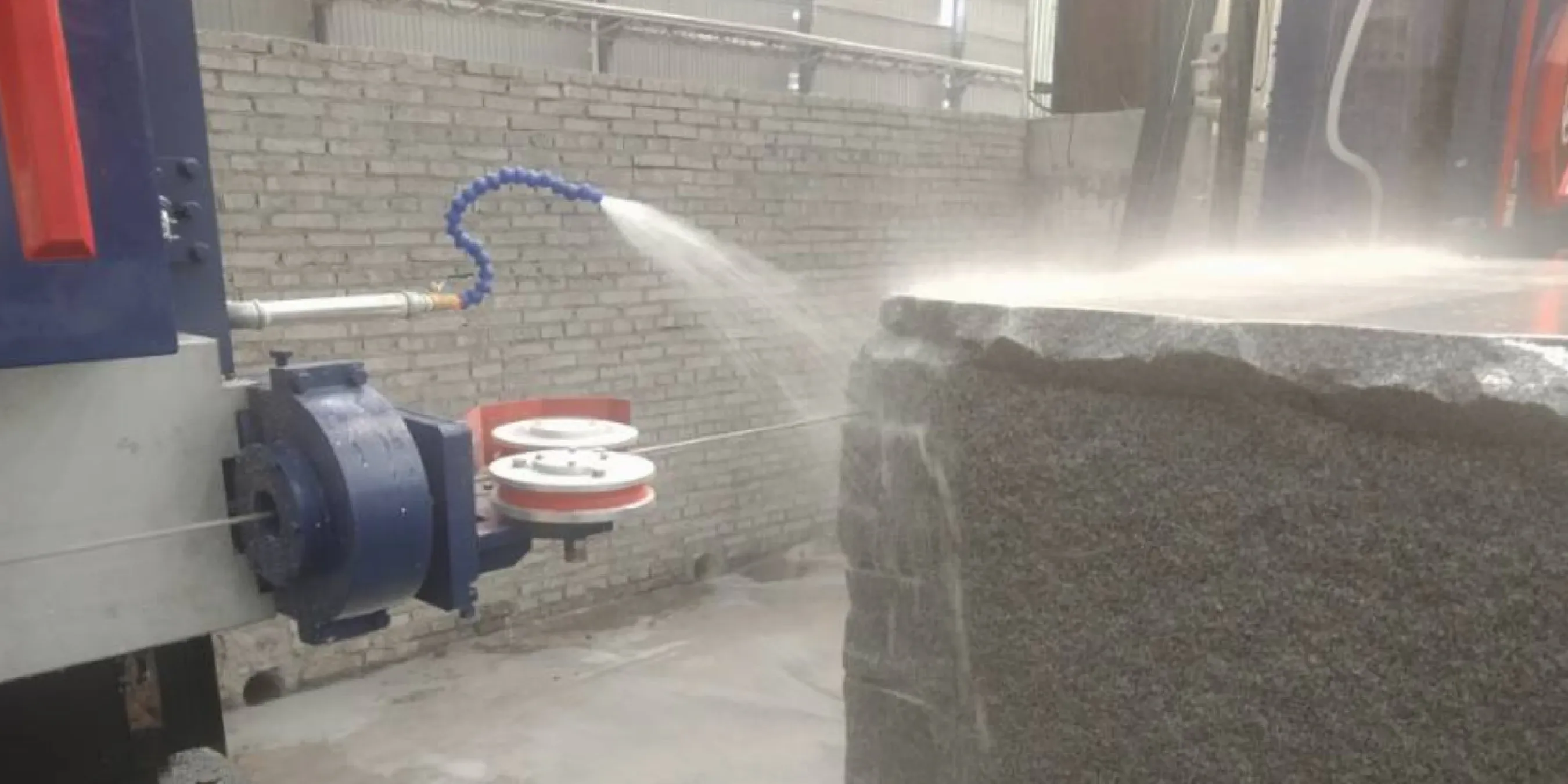
Begin the Wet Cutting Pass: Start the machine and ensure a consistent flow of water to cool the wire and flush away slurry.
Verify Squareness: After the first pass, check the block’s geometry with a square to ensure accuracy.
Make the Finish Pass: If needed, perform a final, slower pass to achieve your target dimensions and surface finish.
A quick note: When you're cutting reinforced concrete or steel, stronger fixturing is essential to prevent any movement. You'll also need an enhanced cooling and swarf management system to handle the metal chips and heat.
What Results Can You Expect? (Mini Cases)
Theory is one thing, but results are what count. Here’s how a block squaring wire saw delivers tangible value in three common scenarios.
Case A: Fixing an Out-of-Square Granite Block
Result: We achieved squareness within 1-2 mm and increased the block's slabbing yield by about 3% due to minimal kerf loss. This is replicable with stable cutting parameters and consistent wet cutting, turning a once-unsuitable block into a valuable asset.
Challenge: A valuable but irregular granite block with out-of-square faces.
Action: We made two corrective passes with the wire saw to trim the non-perpendicular faces.
Case B: Trimming a Bowed Marble Block
Result: The block was squared with roughly 15% less material waste compared to a single deep cut. This made handling safer and downstream processing far more efficient, avoiding the high risks of traditional methods.
Challenge: A large marble block with a significant bow, creating a high-risk situation.
Action: We used a gradual trimming approach, taking thin slices off the bowed side to straighten the face without inducing stress.
Case C: Preparing Steel Beams for Construction
Result: The cuts were clean with no thermal distortion, ensuring perfectly consistent faces. This eliminated the need for secondary grinding and significantly reduced on-site fit-up problems.
Challenge: Large structural steel beams that required precise ends for a perfect fit-up.
Action: We used the wire saw for straight-cutting the beam ends with a slower cutting pass and enhanced cooling.
What Are the Key Risks and How Do You Manage Them?
To ensure safe and effective operation, you need to manage several factors proactively:
Cooling and Waste Management: A constant supply of water is non-negotiable. You must have a robust system for managing stone slurry or metal swarf.
Wire Tension and Fixturing: Incorrect wire tension leads to vibration and cut deviation. Your workpiece must also be clamped securely to prevent any movement.
Personal Protective Equipment (PPE): Your operators must wear appropriate PPE, including safety glasses, gloves, and waterproof gear. According to standards like those from OSHA, proper machine guarding is mandatory.
Wastewater Compliance: Depending on your location, you'll face environmental regulations on the disposal of slurry. Plan for this in advance, as requirements vary by market.
Frequently Asked Questions
Can you use this machine for cutting granite blocks?
Yes, a granite wire saw is ideal for squaring and trimming granite blocks, especially those that are irregular. The primary parameters for this are a wire speed of 28–30 m/s and a wire diameter of 10–11 mm. Your next steps should be to ensure the low-stress cutting process prevents micro-fractures and to verify that the minimal kerf is maximizing material yield from each block.
What's the right wire speed for cutting stone?
The right wire speed is determined by the stone's hardness and should be used as a starting point. For hard stones like granite, begin with a wire speed of 28–30 m/s; for softer stones like marble, use a higher speed of 32–35 m/s. Before committing to a full cut, your next step is to perform a test cut and adjust the speed based on the observed cut quality and any signs of wire wear or vibration.
How should you manage slurry and metal swarf?
You should manage slurry and metal swarf with a closed-loop system to ensure compliance and operational efficiency. This system typically uses a collection pit and settling tanks to separate solids from water. For your next steps, ensure the clarified water is recycled back into the cutting process to reduce consumption, and always handle the separated waste according to local environmental regulations.
Can you really achieve ±1 mm squareness on steel?
Yes, achieving a manufacturer-reported squareness tolerance of ±1 mm on steel is repeatable with the correct setup and parameters. The key requirements are using a specialized wire and a conservative wire speed, typically around 20–25 m/s. To ensure success, your next steps must include implementing:
Stronger Fixturing: The component must be completely immobile during the cut.
Enhanced Cooling: A high-flow system is needed to manage the significant heat generated.
Swarf Management: Plan for effective removal of metal chips from the coolant.
When should you use a CNC, Quarry, or Portable saw instead?
You should use a different saw when your primary task is not high-precision, straight-line squaring in a workshop. These machines are specialized, and using the wrong one will lead to poor results or inefficiency. Your decision should be based on the specific job requirements:
For Curves/Profiles: Use a CNC wire saw.
For On-Site Quarry Extraction: Use a mobile quarry wire saw.
For Low-Precision Splitting: Use a portable wire saw.
How can you reduce cut deviation?
You can reduce cut deviation primarily by ensuring the wire tension is correct and using a conservative cutting speed. Using a thicker wire diameter, such as 10–11 mm for granite, also increases rigidity and helps prevent the wire from deflecting. If deviation continues, your next steps are to check the alignment of the guide wheels and confirm the stability of the block trolley.





 中文
中文 Italian
 Türkçe
 Português
 Español
 Deutsch
 العربية
 Tiếng Việt
 Français
 Русский






 Oct 16, 20256 MIN READ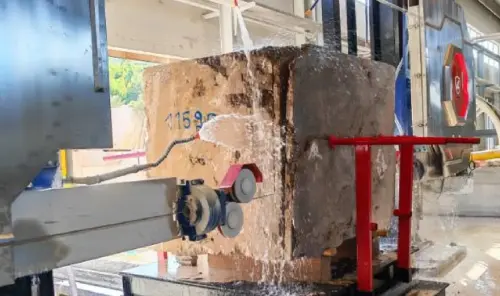
 English