Tired of Slow, Imprecise, and Hazardous Cutting Methods?
If you're dealing with the limitations of traditional cutting tools—excessive noise, hazardous dust, and slow progress on tough materials—you understand the operational bottleneck they create. Whether it's demolishing a concrete structure or extracting valuable granite, the wrong tool costs time, compromises safety, and increases material waste. The solution lies in shifting to a more advanced, versatile cutting system.
This is where a Diamond Wire Saw transforms your project. It replaces brute force with precision abrasion, allowing you to slice through nearly any hard material cleanly and efficiently. From civil engineering projects to delicate stone work, this technology opens up new possibilities for what you can achieve.
What Can This Tool Do for Your Project?
A diamond wire saw’s versatility makes it an indispensable cutting tool across multiple industries. Its ability to perform clean, "cold" cuts without vibration or structural stress sets it apart from percussive or thermal methods.
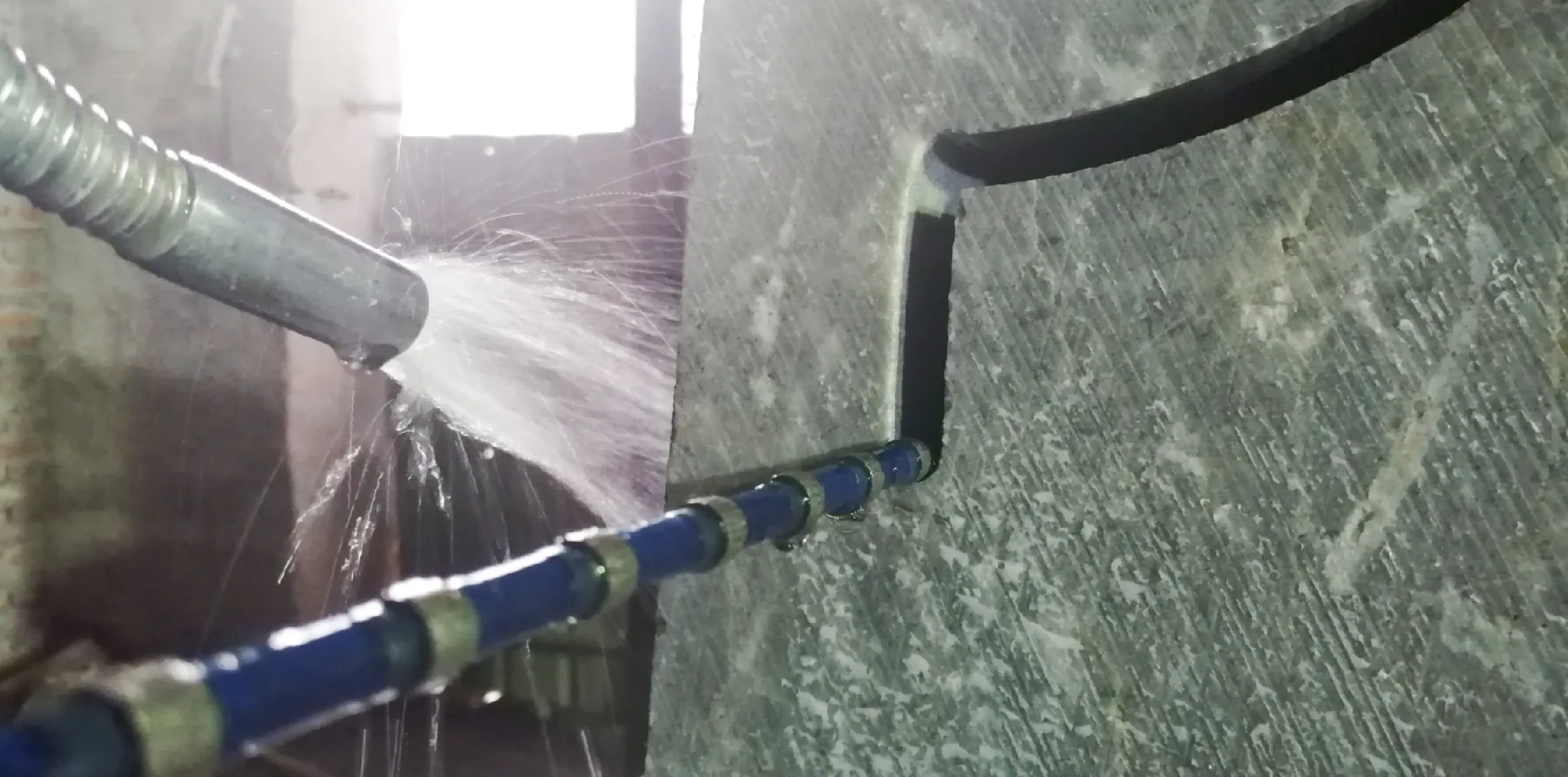
Using Diamond Wire for Concrete & Wire Saw for Demolition
Effortlessly slice through bridges, pillars, and foundations containing rebar, without compromising the integrity of surrounding structures. It's the go-to solution for controlled demolition.
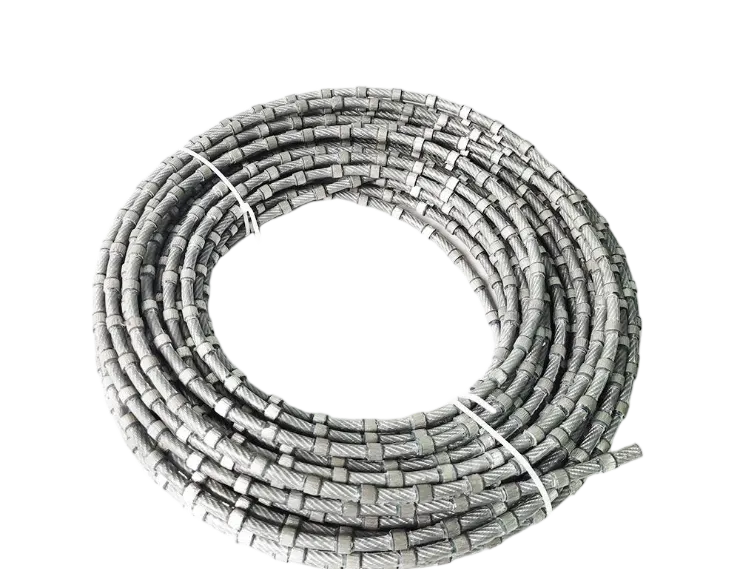
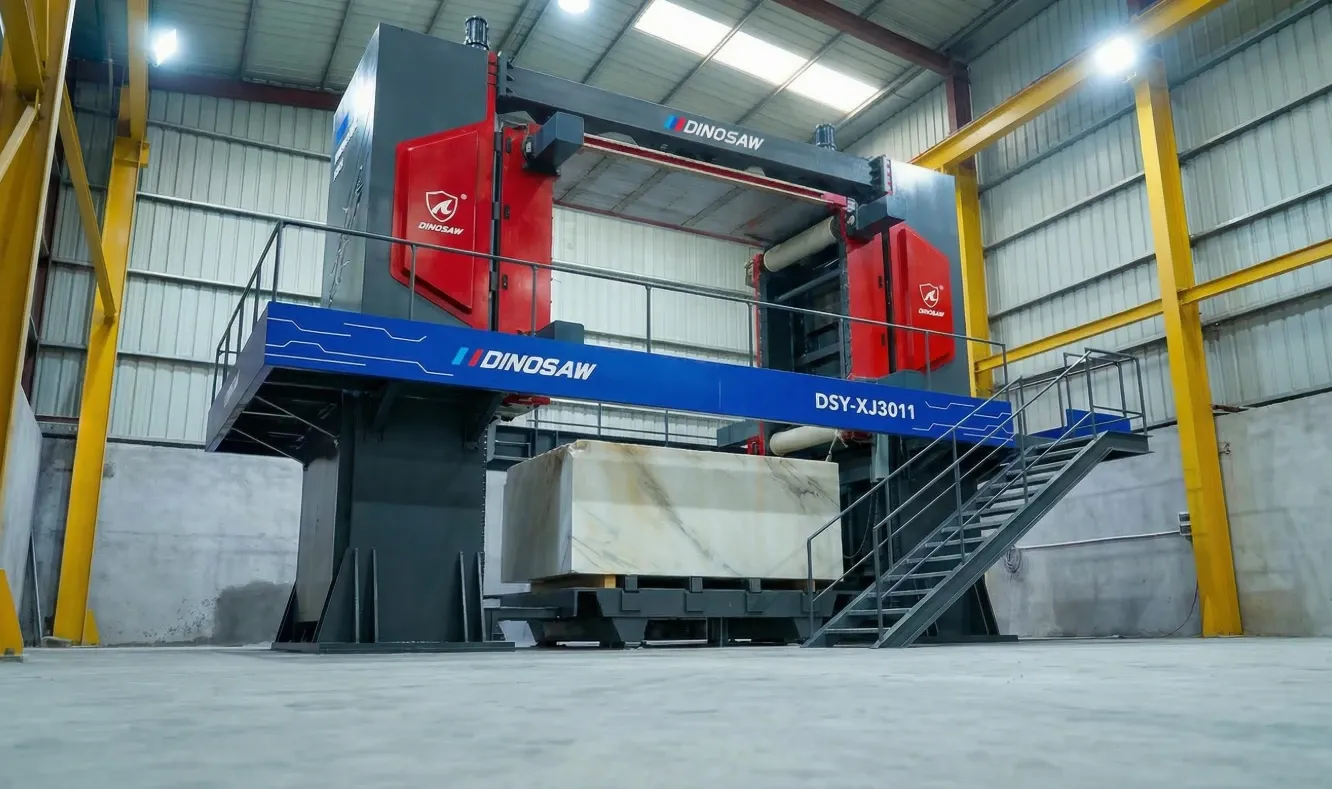
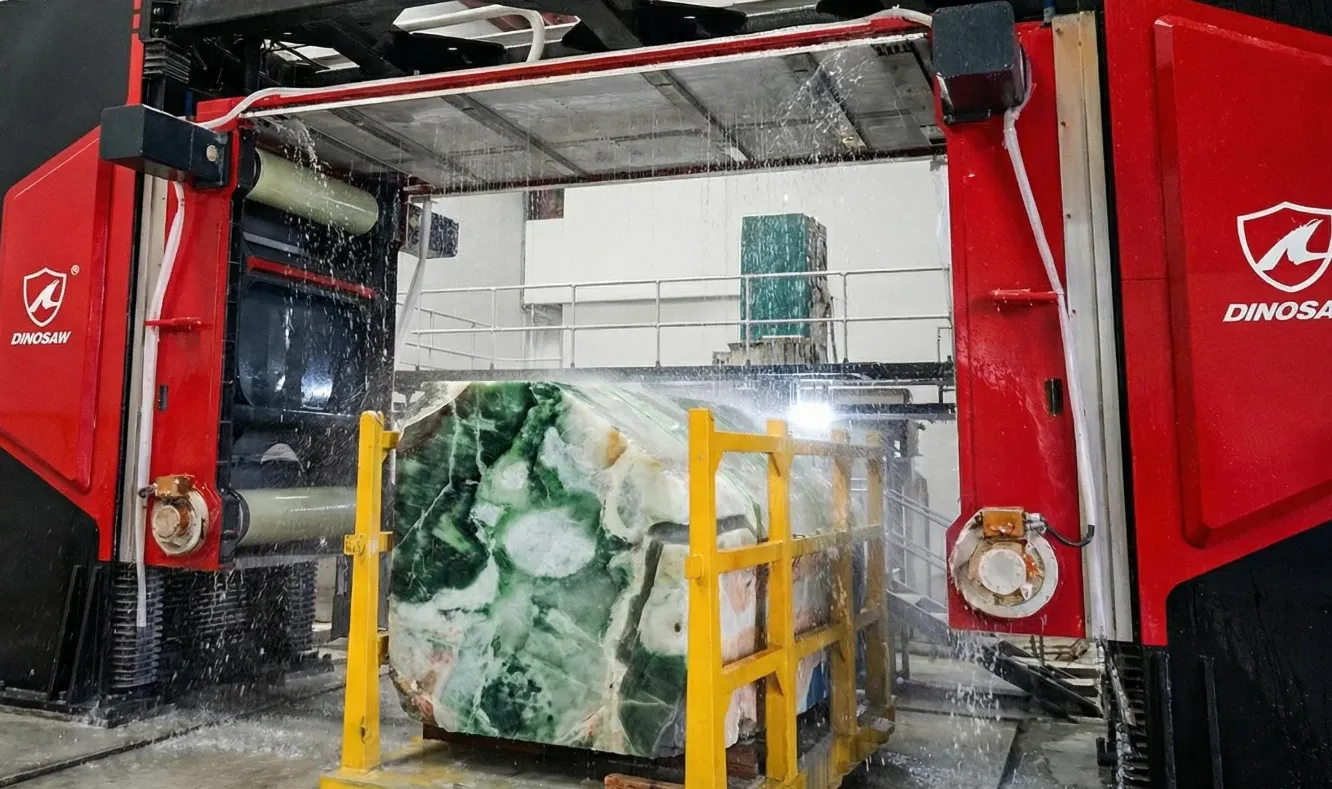
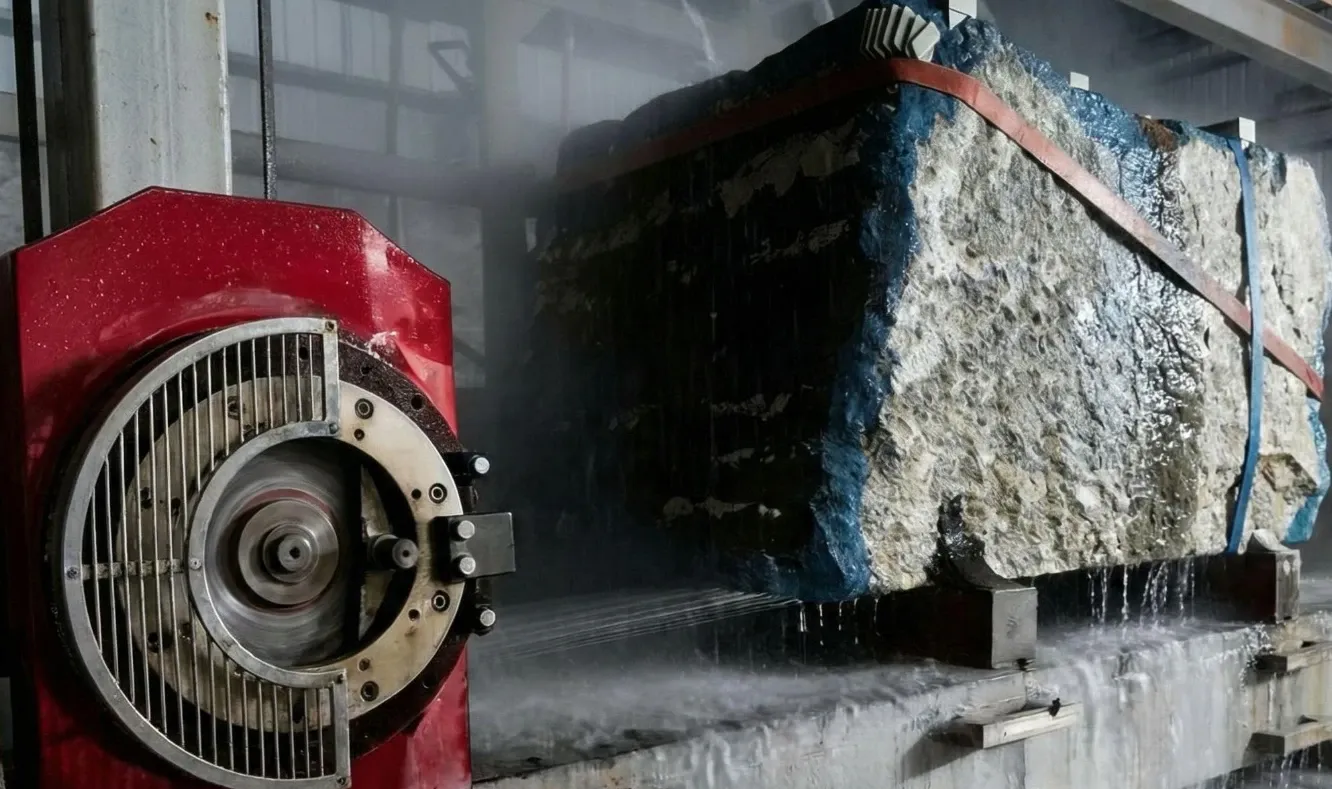
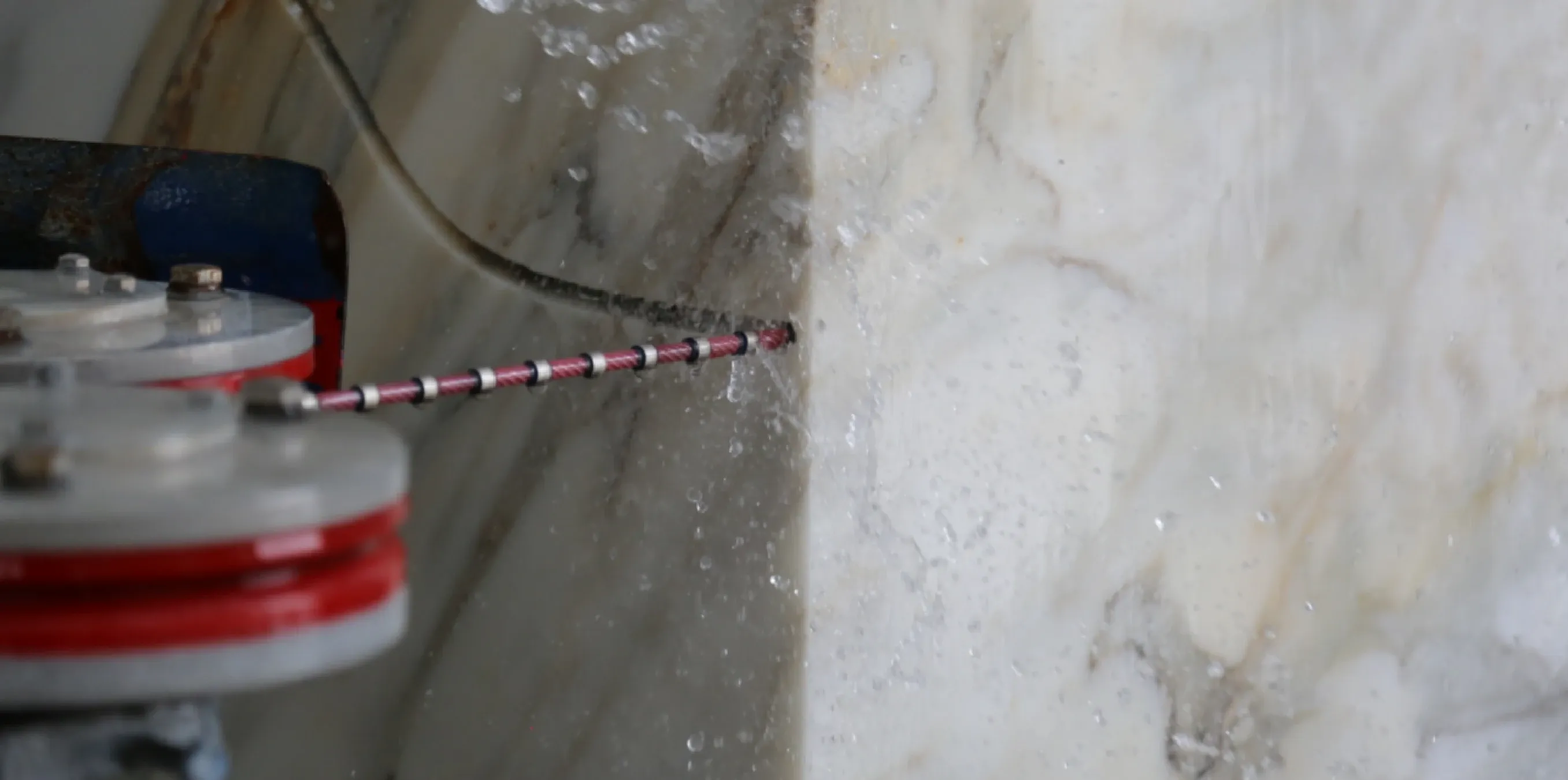
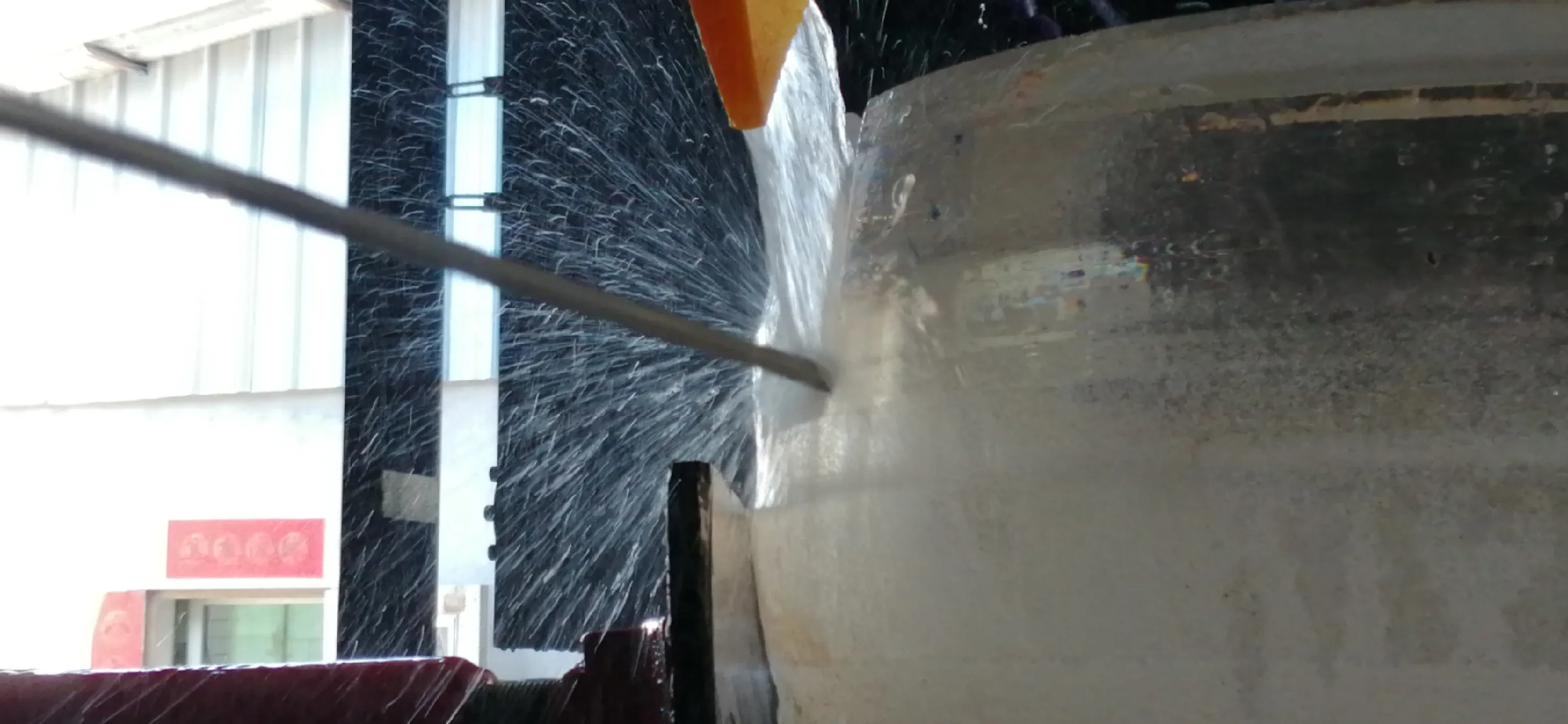
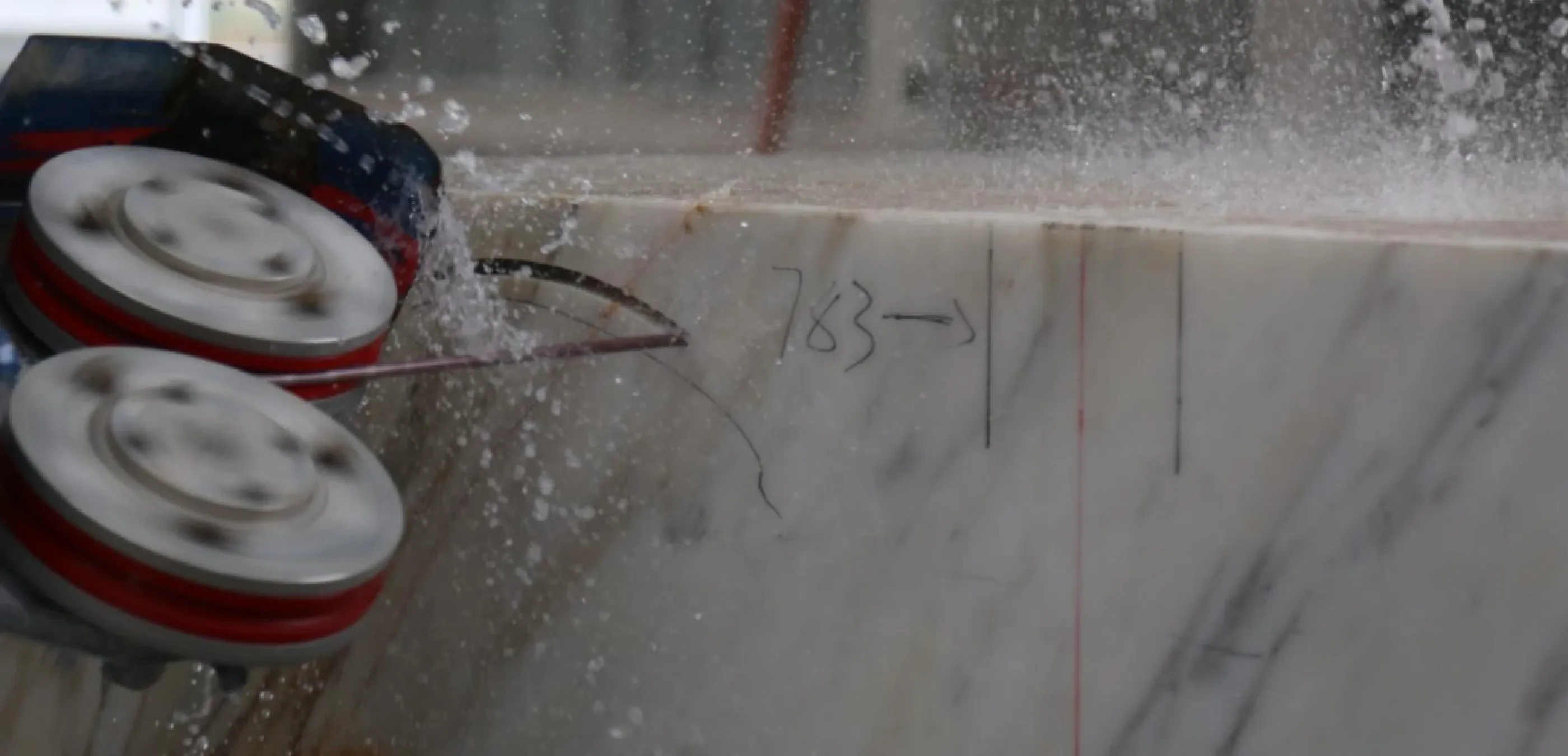
Diamond Wire for Granite and Marble Blocks (Quarries)
Precision Slicing for Refractories Cutting
Cut bricks, ceramics, and other heat-resistant materials with high precision for furnace linings and industrial applications where exact dimensions are critical.
Cold Cutting Steel & Metal Structures
Safely cut steel beams, pipes, and even decommissioned nuclear components without the fire hazard of thermal cutting. This is especially vital in explosive or sensitive environments.
Specialized Underwater Wire Cutting Operations
Perform offshore platform decommissioning, cut bridge pilings, and handle other subsea tasks safely and efficiently. The wire is unaffected by depth and pressure, and the process adheres to strict safety protocols, as outlined in guides like the IMCA Guidance Register.
Material & Processing Compatibility Matrix
Choosing the right wire is critical for performance. This table provides a general guide; for specific projects, always consult an expert.
Material
Recommended Wire Type
Primary Application
Reinforced Concrete
Brazed Diamond Wire (Rubber Connection)
Demolition, infrastructure modification
Hard Granite (Quarrying)
Sintered Diamond Wire (Spring Connection)
Block extraction from quarry
Marble (Slab/Shape Cutting)
Electroplated or Sintered Wire
Countertop fabrication, architectural shapes
Steel & Metal Alloys
Brazed Diamond Wire
Decommissioning, industrial cold cutting
What Are the Processing Boundaries? (Can vs. Cannot)
✅ You Can
Cut extremely hard or abrasive materials.
Make cuts at any angle or in tight spaces.
Process materials underwater or in hazardous zones.
Achieve fine finishes with minimal kerf (cutting loss).
❌ You Cannot
Effectively cut soft, gummy, or elastic materials.
Achieve zero kerf loss; some material is always removed.
Operate without sufficient water cooling (in most cases).
Use it without proper operator training and safety protocols.
How Do You Actually Use the Diamond Wire? (Brief SOP)
While specific steps vary by machine and material, the fundamental process for using the diamond wire is consistent.
Pre-Use Inspection: Before installation, inspect the wire for any damage to the beads, connectors, or steel core.
Threading Route & Protection: Thread the wire through pre-drilled holes or around the object. Ensure the path is clear of obstructions and the wire is correctly seated in the machine's pulley system.
Tensioning & Coolant: Apply the correct tension to the wire using a calibrated gauge, as per specifications. Verify the coolant system is active and water is flowing directly onto the kerf.
Initiate the Cut: Begin the cut at the appropriate wire speed for the material. Allow the wire to establish a groove before applying full feed pressure.
Rotate Wire Periodically: To ensure even bead wear and maximize lifespan, rotate the wire by twisting it at the joint during maintenance intervals.
Post-Use Cleaning and Storage: After use, clean slurry and debris from the wire, inspect it for damage, and store it coiled loosely in a dry place.
3 Mini-Cases: From Problem to Solution
Case 1: The Bridge Demolition Project
Problem: Slow, high-risk removal of a reinforced concrete bridge section using traditional methods.
Solution: A hydraulic wire saw with brazed diamond wire for concrete was deployed for controlled, precise cutting.
Result: Achieved a 60% time saving and 85% less dust compared to jackhammers. The process is now replicable for similar civil projects.
Case 2: The Italian Marble Quarry
Problem: High material waste and micro-cracks from traditional block extraction methods like blasting.
Solution: Implemented a quarry wire saw machine with a sintered wire designed for abrasive stone.
Result: Increased the yield of marketable, crack-free blocks by 35%. This outcome is repeatable with a proper maintenance schedule.
Case 3: The Offshore Decommissioning Task
Problem: Using hazardous thermal cutting (torches) to remove steel platform legs in an explosive subsea environment.
Solution: A remote-operated brazed diamond wire was used for spark-free cold cutting, adhering to IMCA safety standards.
Result: Project completed with a 40% time reduction and a significant improvement in operational safety, eliminating fire risk.
Key Risks & Prerequisites
To ensure safety and efficiency, address these points before starting any wire saw operation:
Operator Training: Ensure all operators are certified and understand the specific machine's safety features and emergency procedures.
Personal Protective Equipment (PPE): Always use appropriate PPE, including safety glasses, hard hats, steel-toed boots, and waterproof gear.
Structural Assessment: Before cutting structural elements, have a qualified engineer approve the plan to prevent unintended collapses.
Summary & Next Steps
The diamond wire saw is a powerful, versatile tool that brings unparalleled precision, safety, and efficiency to a wide range of cutting applications. From quarrying delicate marble to demolishing robust concrete structures, its capabilities far exceed those of conventional methods. By understanding its applications and selecting the correct wire, you can significantly enhance your project outcomes.
In one sentence: Yes, diamond wire is highly effective for the cold cutting of steel, especially in hazardous environments.
Context:Brazed diamond bead wires are specifically designed for this. Unlike thermal torches, they don't create sparks, making them the preferred choice for oil and gas decommissioning or nuclear facilities where fire hazards are a major concern.
Next Step:To understand the safety protocols for such environments, review the IMCA Guidance Register.
How fast can a diamond wire saw cut granite?
In one sentence: Cutting speed for hard granite typically ranges from 20 to 35 square meters per hour, depending on the machine and material.
Context:The speed is influenced by the granite's hardness, the machine's power (kW), and the specific granite cutting wire used. Softer materials like concrete or marble can be cut at significantly higher speeds.
Next Step:To select the right tool for your material, review our guide on quarry wire saw machines.
What is the main advantage of a wire saw over a large blade saw for stone slabs?
In one sentence: Its main advantage is flexibility, offering virtually unlimited cutting depth and the ability to make non-linear cuts.
Context:A large blade saw is limited by its radius and can only make straight, shallow cuts. A wire saw can perform complex shapes like circles or curves and produces less noise and vibration, making it superior for intricate work.
How much water is needed for dust control (silica)?
In one sentence: For effective dust control, a water flow of 20-40 liters per minute is typically required.
Context:Sufficient water flow is critical for two reasons: it cools the wire to prevent diamond degradation and flushes debris from the cut (slurry management). This is a key safety measure for controlling silica dust.
What is the difference between a wire saw for quarrying and one for concrete?
In one sentence: The main difference lies in the diamond beads and connection type, which are optimized for abrasion resistance (quarrying) versus impact flexibility (concrete).
Context:Quarrying wires often use sintered beads with spring connections for high tension, while concrete wires use brazed beads with rubber/plastic to handle rebar and protect the steel core.
Is a diamond wire saw safe for demolition in urban areas?
In one sentence: Yes, it is one of the safest methods due to its low noise, vibration, and dust generation.
Context:It performs a "cold cut" without high-impact percussion, so it doesn't transfer stress to adjacent structures. This makes it ideal for controlled demolition in populated and noise-sensitive areas.




 中文
中文 Italian
 Türkçe
 Português
 Español
 Deutsch
 العربية
 Tiếng Việt
 Français
 Русский






 Oct 22, 20256 MIN READ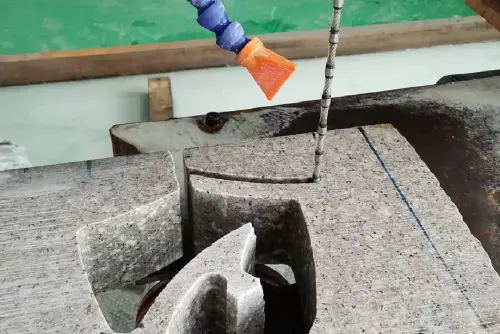
 English