Learn which diamond router bits to use for stone. Our guide covers granite edge profiling, marble carving, and quartz countertop routing for flawless results.
TL;DR: Your Guide to Flawless Stone Edges
Diamond router bits deliver clean, chip-free edges on hard materials like granite, marble, and quartz where traditional tools fail.
Match the bit (Sintered, Brazed, Resin) to the material for optimal performance and tool life.
Success depends on correct cooling, stable machinery, and appropriate RPM settings.
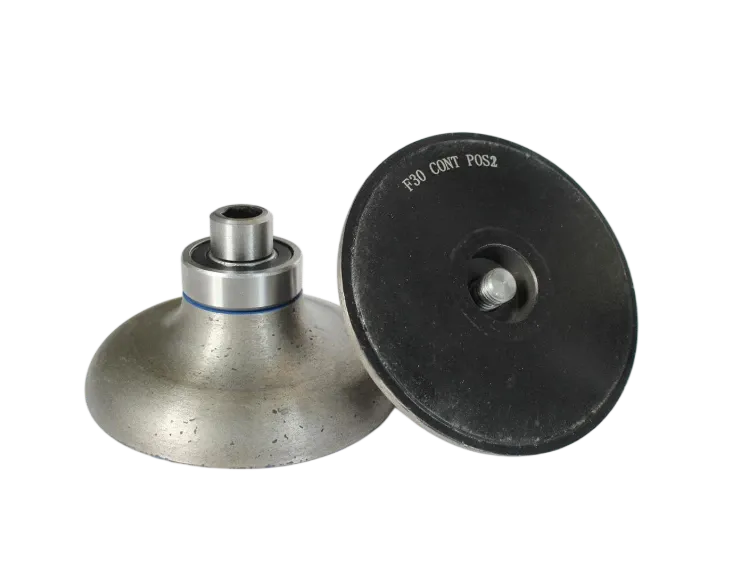
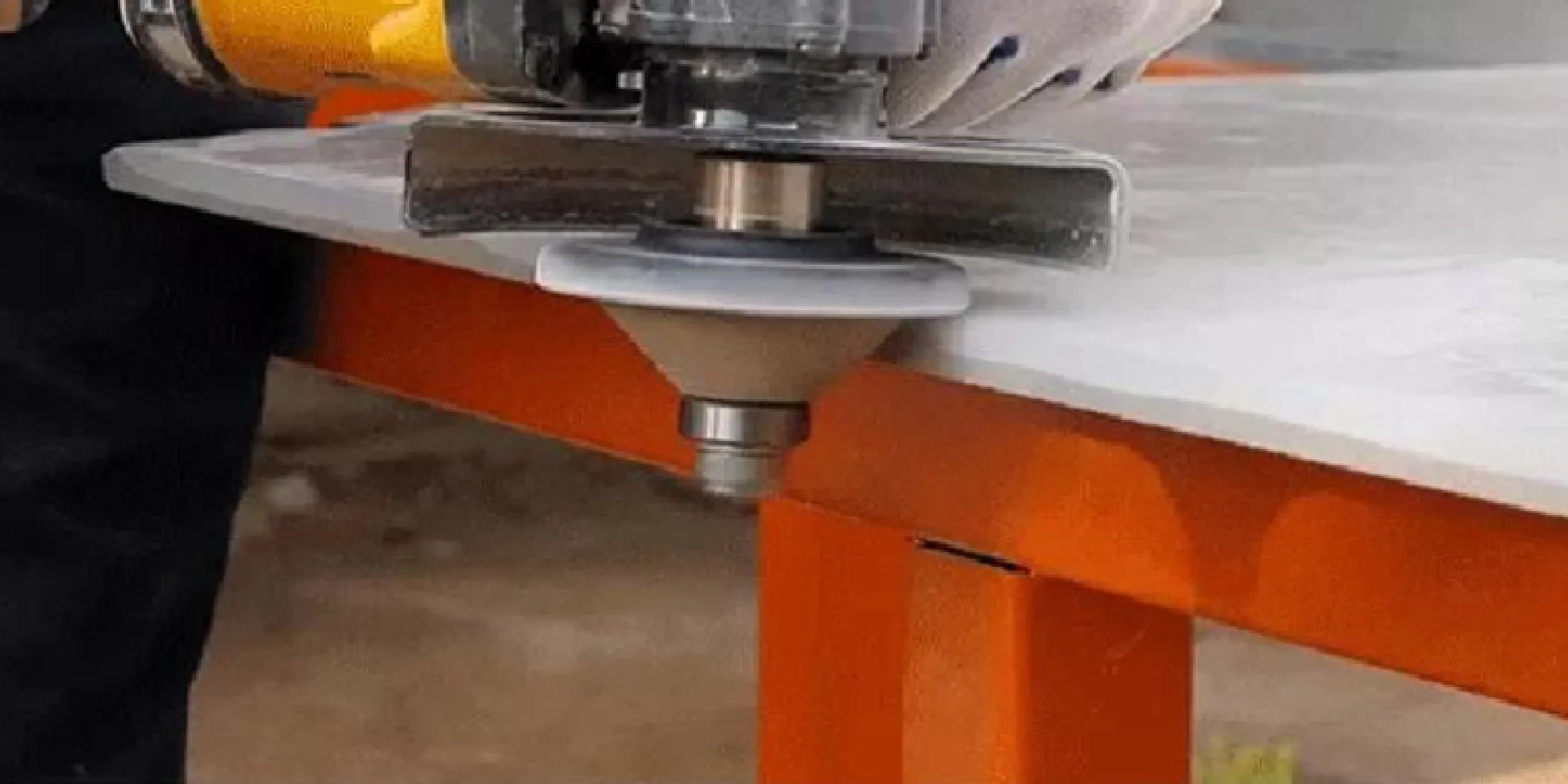
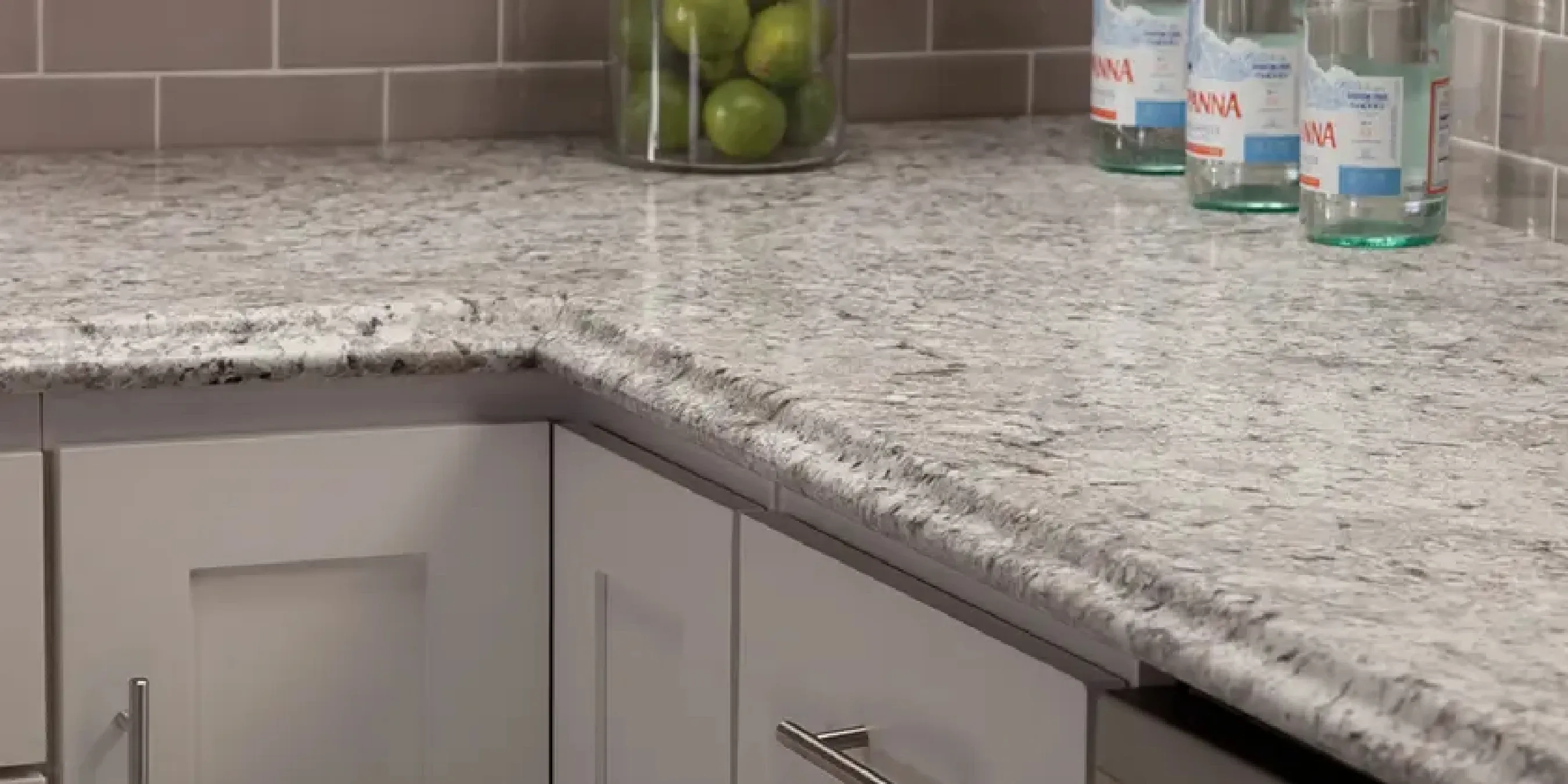
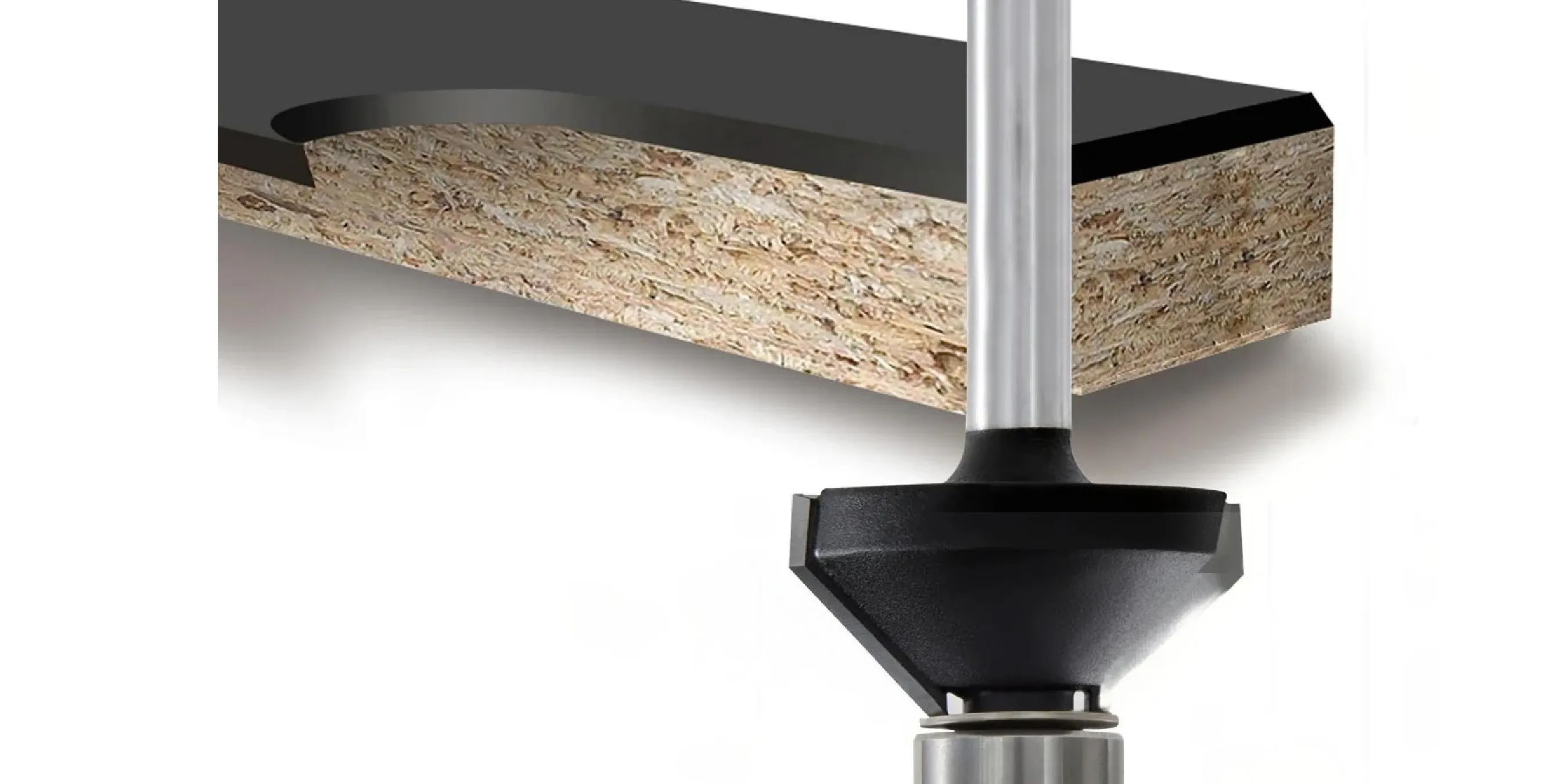
If you're in the stone fabrication business, you know that the final edge profile makes all the difference. Chipping, uneven finishes, and slow manual work can eat into your profits and damage your reputation. This is where diamond router bits for stone become essential. They aren't just cutting tools; they are precision instruments for creating perfect bevels, ogees, bullnoses, and custom profiles on everything from granite countertops to marble monuments. Whether you use a CNC machine or a portable angle grinder, the right diamond router bit delivers a combination of speed, precision, and finish quality that’s simply unattainable with traditional carbide tools.
Material & Processing Compatibility Matrix
Choosing the correct stone router bit is critical. A mismatch between the bit's bonding technology and the material can lead to poor results and premature tool wear. Here’s a quick guide to help you match the right bit to your job.
Material
Recommended Bit Type
Why It Works
Granite & Quartz
Sintered
The sintered bond provides extreme durability and heat resistance, perfect for cutting through the hard crystalline structure of granite and engineered quartz without premature wear.
Marble & Softer Stone
Vacuum Brazed
Brazed bits feature a single layer of exposed diamonds, offering an aggressive, fast cut that is ideal for softer, more abrasive materials like marble, preventing glazing.
Ceramic, Porcelain & Glass
Resin / Electroplated
Resin-bond bits are designed for polishing and achieving a high-quality finish, while electroplated bits are excellent for delicate materials like glass, offering fine, chip-free cuts.
Where They Excel: Scenarios & Advantages
Diamond router bits aren't just an alternative; they are a significant upgrade over older methods. For distributors and fabricators, the advantages translate directly to operational efficiency and higher quality output.
vs. Carbide Tools
The primary advantage is longevity and performance on hard stone. According to manufacturer-reported data, a diamond router bit can have up to 50x longer tool life than a comparable carbide bit when working with materials like granite. Carbide dulls quickly against hard aggregates, leading to chipping and frequent, costly tool changes. Diamond bits maintain their cutting edge, ensuring consistent quality over a much longer period.
vs. Manual Polishing
Manual polishing is labor-intensive, time-consuming, and heavily reliant on operator skill. Using a diamond router bit on a CNC or angle grinder automates the profiling process, creating perfectly uniform edges every time. This dramatically increases throughput, reduces labor costs, and is a key part of an efficient countertop fabrication shop setup.
3 Mini-Cases: Where Diamond Router Bits Deliver ROI
Let's look at real-world scenarios where diamond router bits make a tangible difference in fabrication shops.
Case 1: The High-Volume Countertop Fabricator
Problem: Inconsistent seams on granite countertops were leading to visible gaps, customer complaints, and time-consuming on-site adjustments.
Solution: Implemented a sintered diamond router bit on a portable router for on-site seam dressing, allowing them to machine perfectly straight and chip-free edges.
Result: Seams became nearly invisible, reducing installation time and dramatically improving customer satisfaction. The fabricator could guarantee a higher quality finish.
Case 2: The Monument & Memorial Manufacturer
Problem: Carving intricate lettering and details into delicate marble slabs was causing micro-fractures and material waste with traditional tools.
Solution: A fine-grit, vacuum-brazed diamond router bit was adopted for use on their CNC machine for all detailed engraving work.
Result: The bit provided an aggressive yet clean cut without stressing the marble, reducing production time and eliminating waste from damaged pieces.
Case 3: The Custom Tiling Contractor
Problem: Frequent chipping and breakage occurred when cutting thick, brittle porcelain tiles for custom bathroom installations, making complex shapes risky and wasteful.
Solution: Switched to an electroplated diamond router bit on a variable-speed angle grinder to precisely shape curves and L-cuts with ample water cooling.
Result: Smooth, chip-free shaping was achieved, enabling the creation of high-end custom finishes and reducing material loss to near zero.
Key Risks & Prerequisites for Success
To get the most out of your investment, you can't just buy a good bit—you have to use it correctly. Ignoring these factors can lead to poor performance and tool damage.
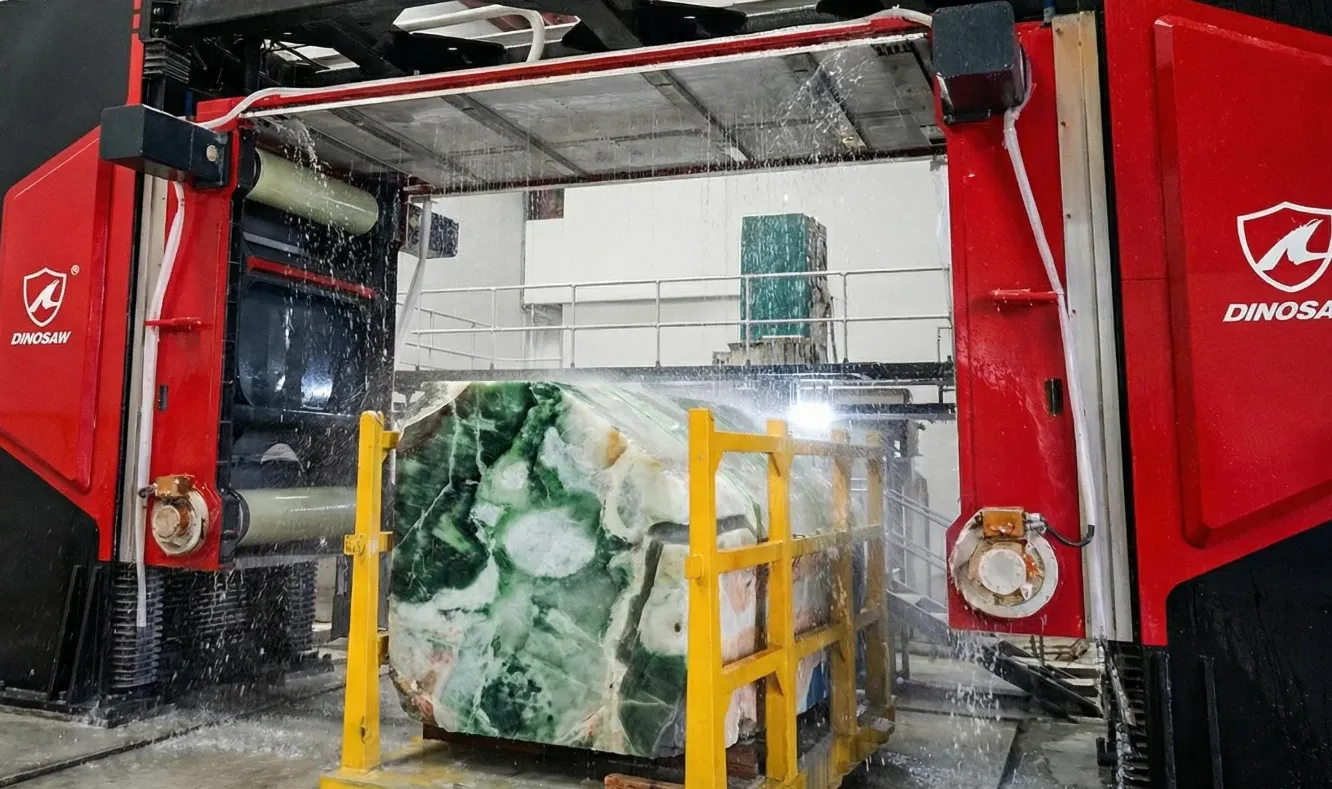
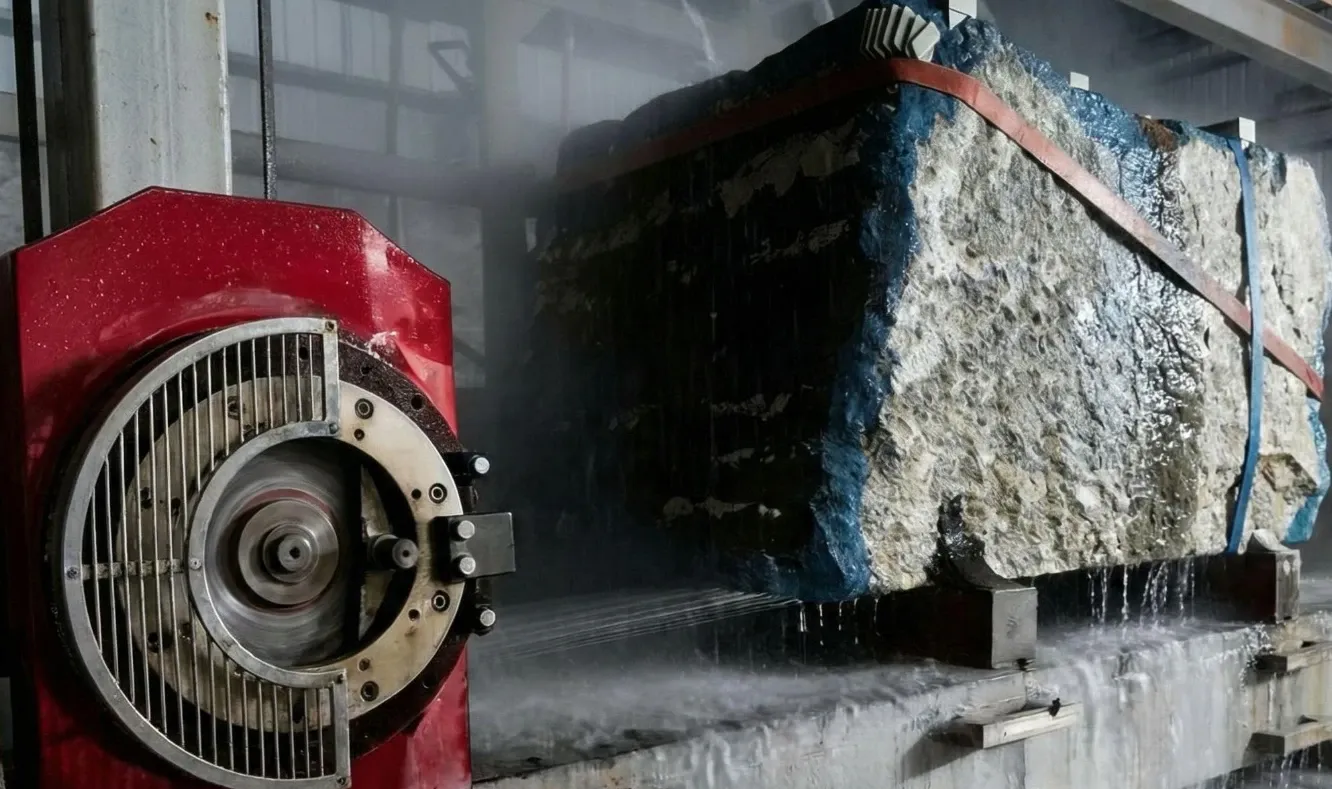
Proper Cooling: Diamond tools generate immense heat. A constant flow of water is non-negotiable to prevent the diamond matrix from glazing and the bit from warping. Insufficient cooling is the #1 cause of premature failure.
Machine Stability and Correct RPM: Whether it's a large CNC router or a handheld grinder, the machine must be stable. Vibration leads to chipping. Likewise, running the bit too fast can cause it to burn, while running it too slow can cause glazing. Always follow the manufacturer's recommended RPM range for the specific bit and material.
Workplace Safety: Cutting stone produces fine crystalline silica dust, a known health hazard. Ensure your workspace complies with safety standards, such as those outlined by OSHA's Respirable Crystalline Silica standard, which mandate wet cutting, ventilation, and proper PPE. Our DINOSAW Diamond Router Bits are designed to perform optimally with these safety measures.
"Remember that quality is a system. As outlined in quality management principles like ISO 9001:2015, consistent results come from controlling your process—the right tool is just one part of that system."
FAQ: Practical Questions from Fabricators
Can I use one diamond router bit for all types of stone?
While it's not ideal, the key is to match the bit to your primary material. Using a single bit across vastly different stones (e.g., granite and marble) will compromise either speed or tool life.
Context: This question is most relevant for shops that handle a wide variety of materials but want to minimize tool inventory.
Answer: It's not recommended because hard stones like granite require durable sintered bits, while softer marble works better with faster-cutting brazed bits. Using the wrong bit reduces tool life and compromises finish quality.
How do I know when a stone router bit is worn out?
Look for a noticeable decrease in cutting speed, an increase in chipping, or the appearance of a "glazed" (smooth and reflective) surface on the diamond segment.
Context: This is a critical check during operation, especially when you notice the machine is working harder or the finish quality is declining.
Answer: A worn-out bit is no longer cutting efficiently and can damage your workpiece. At this point, it needs to be re-dressed to expose new diamonds or replaced entirely.
Next Step: If you suspect glazing, read our O&M Guide to learn about dressing and maintenance.
What's the difference between a position 1 and position 2 router bit?
In a multi-step profiling process, different position bits work together to take the stone from a rough slab to a nearly finished edge, much like using progressively finer sandpaper.
Context: This applies to high-volume CNC operations where efficiency and finish quality are achieved through a sequence of specialized tools.
Answer: A Position 1 bit is a coarse, aggressive tool for initial shaping and removing bulk material. A Position 2 (and subsequent) bit is progressively finer, designed to smooth the profile and prepare it for final polishing.
No, dry cutting is not recommended as it generates extreme heat that can destroy the diamond bond, damage the bit, and crack the stone. A constant flow of water is essential.
Context: This is a critical safety and performance rule for all stone routing applications, whether on a CNC machine or with a portable grinder.
Benefits: Using a wet system cools the bit, flushes away abrasive debris, and controls harmful silica dust, which is a major health hazard.
Chipping is primarily caused by excessive vibration, using the wrong bit type, or incorrect operating parameters. It's a sign that the cutting process is not stable.
Context: This issue is most common when working with hard, brittle materials like granite, where any instability in the cutting process can cause fractures.
Answer: The main causes are a worn-out bit, machine vibration, an incorrect feed rate/RPM, or insufficient cooling. The bit is hammering the material instead of cutting it smoothly.
How does a diamond router bit improve my shop's profitability?
Diamond router bits directly improve profitability by increasing speed and ensuring consistent, high-quality results, which reduces rework and labor costs.
Context: This is a key consideration for any fabrication shop owner or manager looking to improve operational efficiency and financial returns.
Benefits: They reduce time-consuming manual labor for edge finishing, allowing you to complete more jobs in less time. Their long life also lowers tooling costs and reduces downtime for bit changes.
Yes, machine power is crucial, especially for larger profiles and harder materials. An underpowered machine will struggle, leading to slow cuts and a poor finish.
Context: This is an important factor when matching a new bit to your existing equipment, whether it's a CNC machine or a portable grinder.
Answer: A machine with insufficient power may bog down or stall, causing the bit to rub instead of cut, which leads to glazing and heat damage. This is also a safety concern addressed by regulations.




 中文
中文 Italian
 Türkçe
 Português
 Español
 Deutsch
 العربية
 Tiếng Việt
 Français
 Русский






 Nov 1, 20256 MIN READ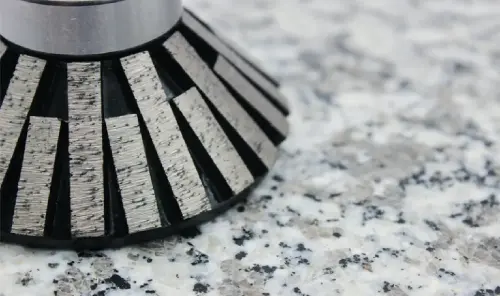
 English