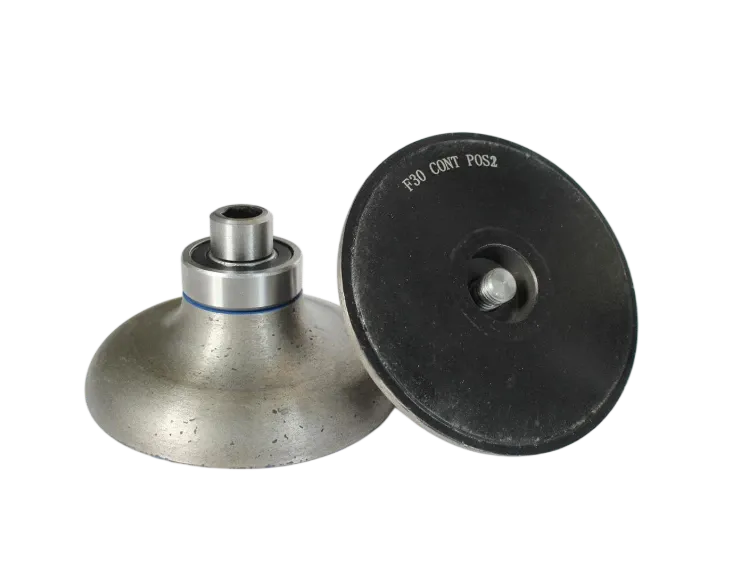
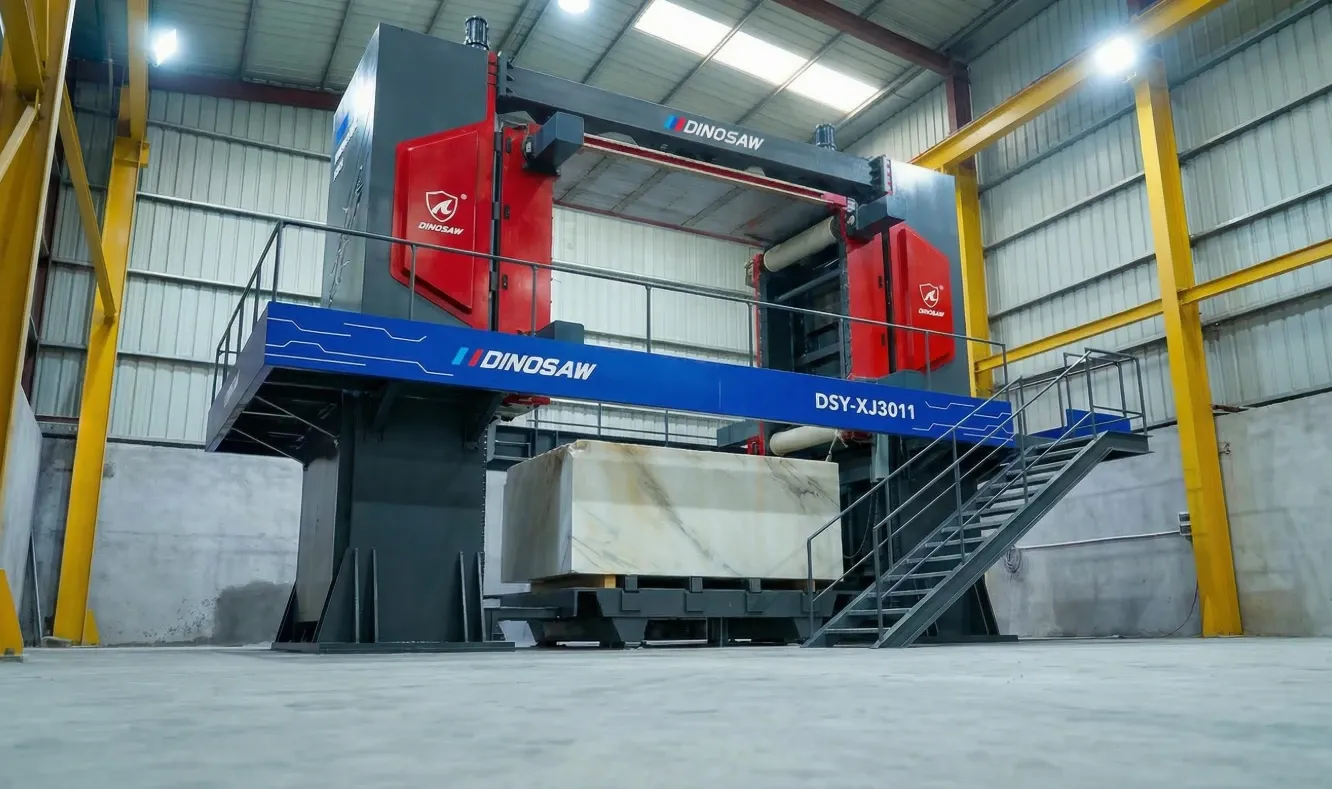

Your checklist for diamond router bit maintenance. Learn to prevent chipping on granite, use cooling correctly, and follow safety protocols with your angle grinder.
TL;DR: Top 3 Tips for Peak Performance

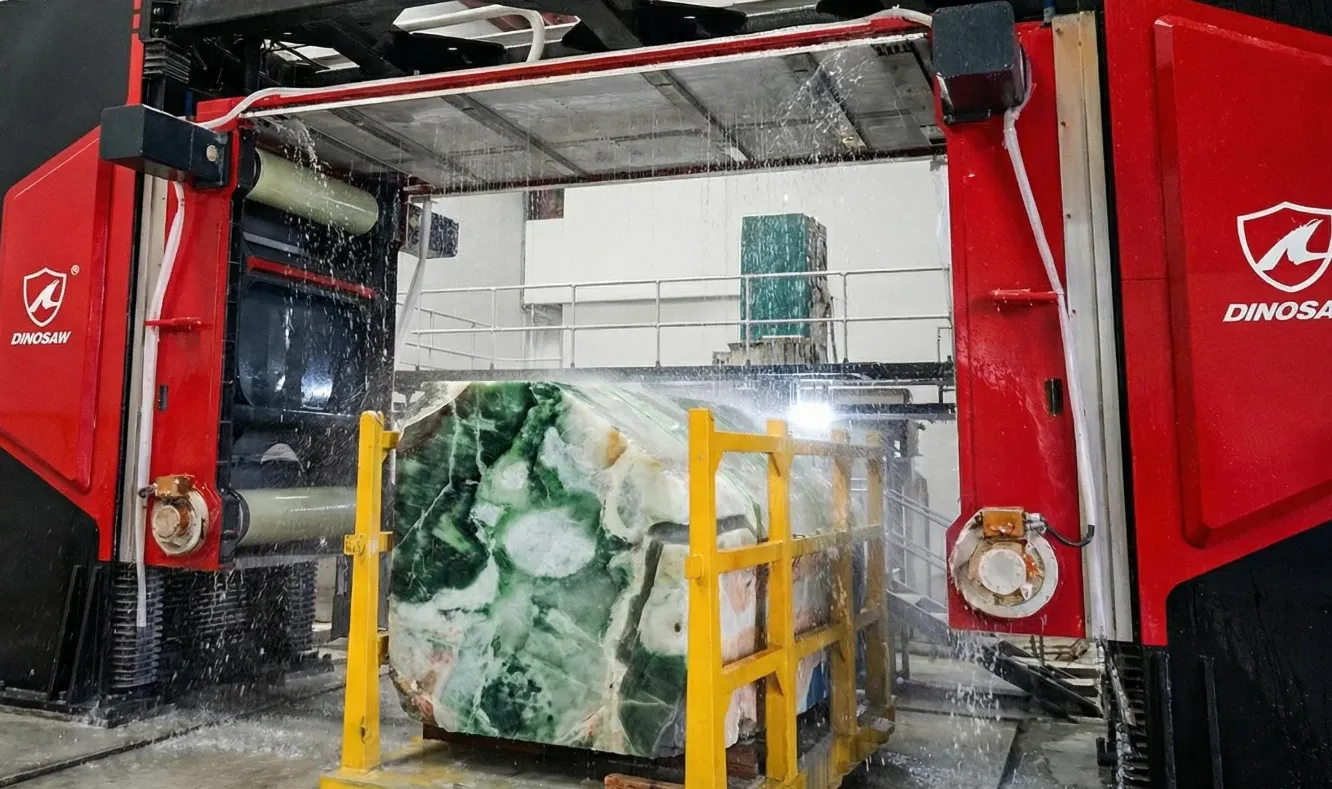
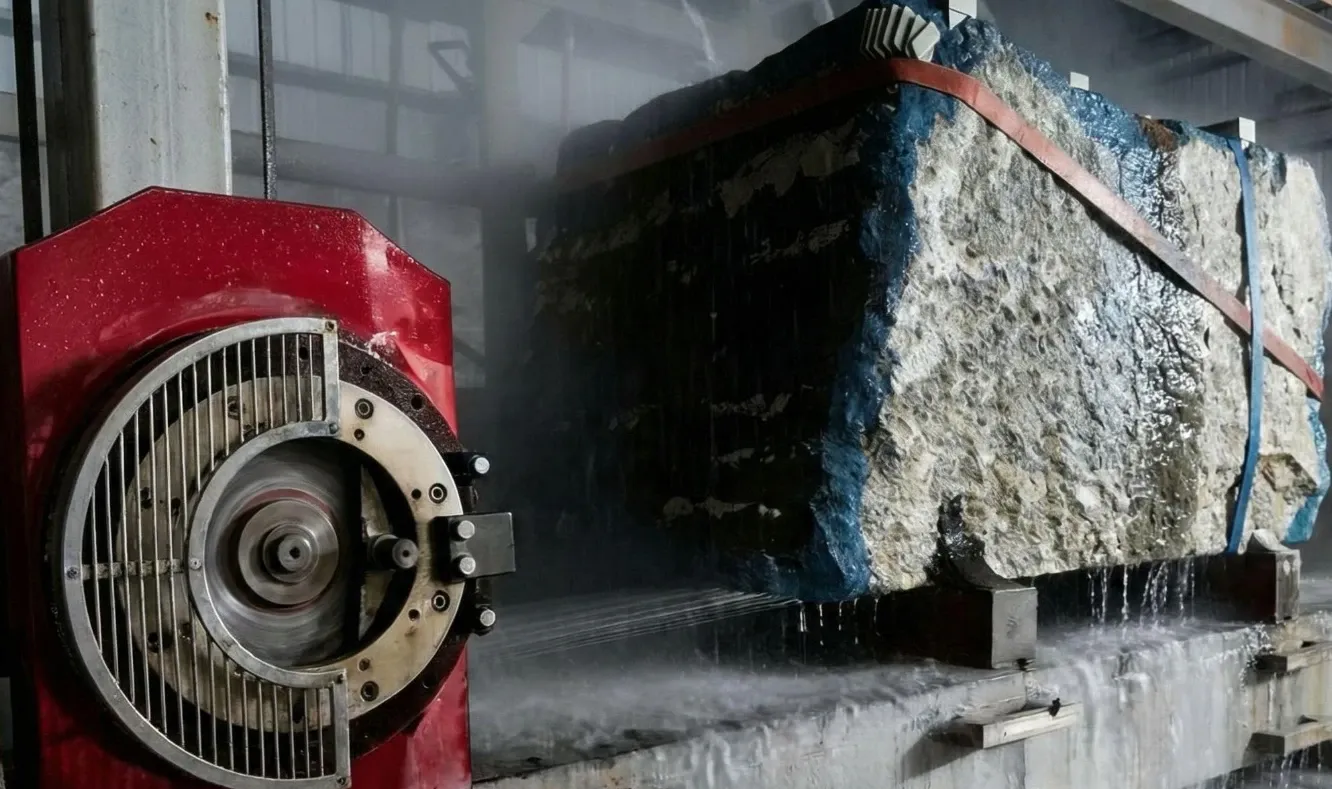
  • Cooling is non-negotiable.A constant, high-flow water stream is the factor in preventing diamond router bit failure and ensuring a clean cut on hard materials like quartz.
  • Stabilize your machine and workpiece.Vibration is the enemy of a chip-free finish. Ensure your CNC router or angle grinder is rigid and the stone is securely clamped.
  • Respect the RPM and feed rate.Running too fast burns the bit; running too slow causes glazing. Follow manufacturer guidelines as a starting point.
Facing a persistent issue like glazing or premature wear? Contact our support team for a solution.
磨轮-产品图@1.5x.webp

Standard Operating Procedures (SOPs) for Diamond Router Bits: 

Granite/Quartz/Marble

  Consistent results come from a consistent process. This checklist ensures every operator handles your diamond router bits with the care required for maximum life and performance.
  • Installation & Calibration:Ensure the machine spindle and bit shank are clean. Securely tighten the bit to the correct torque. Verify tool runout is minimal; excessive wobble will cause chipping.
  • Tool Changeover:Power down and lock out the machine. Use the correct wrenches to avoid damaging the bit or spindle. Inspect the new bit for any defects before installation.
  • Lubrication & Coolant Management:Before every run, confirm coolant nozzles are aimed directly at the cutting point and flow is strong. Check coolant filters and reservoirs daily to prevent clogs.
  • Consumables Check:Regularly inspect dressing sticks, polishing pads, and other consumables. A worn-out dressing stick cannot effectively re-sharpen a glazed diamond bit.
  • Safety Checks:Verify that all machine guards are in place, especially for portable angle grinders. Ensure the wet cutting system and any dust extraction equipment are fully functional before starting.

容器 11@1.5x.webp

Troubleshooting Flowcharts for Stone Router Bits: Prevent Chipping & Glazing

  Use this guide to diagnose and fix the 10 most common issues encountered with diamond router bits for concrete, stone, and other hard materials.
Symptom →
Cause & Diagnosis →
Fix & Prevention
Chipping
Excessive vibration; wrong bit grit (too coarse); feed rate too high.
Fix:Switch to a finer grit bit.
Prevention:Ensure machine/workpiece is rigid. Reduce feed rate.
Glazing (Bit stops cutting)
Bond not wearing to expose new diamonds. RPM too high or feed rate too low.
Fix:Use a dressing stick.
Prevention:Lower RPM, increase feed rate, or use a softer bond bit.
Slow Cutting
Glazed bit; wrong bit for material (bond too hard); insufficient machine power.
Fix:Dress the bit.
Prevention:Switch to a softer bond or more aggressive bit (e.g., brazed). Ensure machine has adequate torque.
Premature Wear
Inadequate cooling; bond too soft for the material; RPM too low.
Fix:Replace bit.
Prevention:Increase coolant flow. Switch to a harder bond bit (e.g., sintered). Increase RPM.
Segment Loss
Thermal shock (loss of coolant); physical impact; excessive vibration.
Fix:Immediately stop and replace the bit.
Prevention:Guarantee constant coolant flow. Check toolpaths for collisions.
Poor Surface Finish
Grit too coarse; feed rate too high; worn-out bit.
Fix:Move to the next position bit (finer grit).
Prevention:Reduce feed rate. Replace worn bit.
Vibration / Chatter
Loose workpiece; machine instability; bent shank or worn spindle bearings.
Fix:Stop and check all clamps and fixtures.
Prevention:Perform regular machine maintenance.
Incorrect Profile Shape
Worn-out bit has lost its shape; incorrect tool selected in CNC program.
Fix:Replace the bit.
Prevention:Verify CNC tool library matches the physical bit. Use high-quality bits that hold their shape.
Burning / Discoloration
Severe lack of coolant; RPM too high.

Fix:Stop immediately and check coolant system.

Prevention:Confirm coolant flow before every job. Reduce RPM.   

Excessive Noise
Vibration; glazed bit rubbing instead of cutting; worn machine bearings.
Fix:Dress the bit.
Prevention:Check machine rigidity and bearings as part of a regular maintenance schedule.

Maintenance Schedule for Diamond Router Bits & Stone Router Bits

  Preventative maintenance is cheaper than reactive repairs. Integrate this schedule into your countertop fabrication shop setup to maximize uptime.
Frequency
Task
Reason
Daily
Inspect coolant nozzles and flow. Check for visible bit damage. Clean machine.
Ensures proper cooling and prevents catastrophic failure.
Weekly
Check machine spindle for runout. Clean coolant filters and tank. Inspect tool holders.
Prevents vibration-related issues and coolant system clogs.
Monthly
Calibrate machine axes. Inspect all machine bearings and lubrication points. Review bit inventory and TCO data.
Maintains machine accuracy and informs long-term procurement decisions.

Pro Tips for Granite Edge Profiling & Quartz Countertop Routing

  • For dressing a glazed bit in the field, we briefly run it against a soft concrete block. It wears just enough bond to expose new diamonds without damaging the profile.
  • When routing quartz, we always do a final pass at a 10% reduced feed rate. It takes slightly longer but virtually eliminates all micro-chipping for a perfect edge.

容器 8@1.5x.webp

Safety for Diamond Router Bits: Wet Cutting & Silica Compliance (OSHA)

  Operating machinery for stone cutting carries inherent risks. Adherence to safety protocols is not optional.
  • Silica Dust Management:Cutting stone, concrete, and quartz releases respirable crystalline silica, a serious health hazard. All operations must comply with local regulations, such as the OSHA standard on silica dust (1926.1153), which mandates wet cutting methods, proper ventilation, and respiratory protection.
  • Personal Protective Equipment (PPE):Mandatory PPE includes safety glasses, waterproof gloves, and steel-toed boots. Hearing protection is required for noisy environments, and appropriate respirators (e.g., N95) must be used if dust cannot be fully suppressed.
  • Machine Guarding:Ensure all guards on angle grinders and CNC machines are in place and in good condition, as required by standards like the EU Machinery Regulation 2023/1230. Never operate a machine with safety guards removed.

20@1.5x.webp

FAQ: O&M for Diamond Router Bits & Stone Router Bits

Can diamond router bits be re-sharpened?

It's more accurate to say they can be "dressed" rather than re-sharpened. Dressing exposes new diamond particles, but true re-sharpening is not feasible.
  • Context: This applies when a sintered bit's surface has become smooth (glazed) and is no longer cutting effectively.
  • Answer: You can use a dressing stick to erode the metal bond and expose a fresh layer of diamonds. However, once the diamond segments are fully worn down, the bit must be replaced.
  • Next Step: Before attempting to dress a bit, review the "Glazing" symptom in our Troubleshooting Flow guide.

How do I know the correct RPM for my bit?

The correct RPM depends on the bit's diameter, the material's hardness, and the manufacturer's specifications. There is no single universal RPM.
  • Context: Setting the correct RPM is a critical step during machine setup to ensure both safety and performance.
  • Answer: Always start with the manufacturer's recommendation. Generally, smaller diameter bits run at higher RPMs, while larger bits require lower RPMs to control heat and vibration.
  • Next Step: For a detailed parameter chart, refer to our Technical Principles guide.

What is the best way to clean and store the bits?

Proper cleaning and storage are essential to prevent rust and damage, which will extend the usable life of the tool.
  • Context: This is a simple but important daily maintenance task for all operators.
  • Answer: After use, clean the bit with water and a soft brush to remove stone slurry. Dry it completely to prevent rust on the steel shank. Store bits in a dry, protected case to avoid accidental chipping of the diamond segments.
  • Next Step: Incorporate this into your daily routine using the maintenance schedule in our O&M Guide.

My angle grinder gets very hot. Is this normal?

While some warmth is normal under load, excessive heat is a clear sign of a problem with either the tool or your technique.
  • Context: This is a common issue for operators using portable grinders for on-site work or heavy-duty tasks.
  • Answer: The heat could be caused by pushing the grinder too hard, using a glazed bit that is rubbing instead of cutting, or insufficient coolant flow. It can damage both the bit and the grinder's motor.
  • Next Step: Immediately reduce pressure and check your bit. If the issue persists, refer to the O&M troubleshooting guide.

Do I need a different bit for concrete vs. granite?

Yes, it is highly recommended. While both materials are hard, their composition and abrasiveness are different, requiring different bond specifications for optimal performance.
  • Context: This is important for shops that work with both architectural concrete and natural stone countertops.
  • Answer: Concrete is typically more abrasive. A bit with a harder, more wear-resistant bond (usually sintered) is needed for concrete to ensure a reasonable tool life. Granite may require a different bond formula to balance cutting speed and finish quality.
  • Next Step: Consult our Selection & Comparison guide to match the bit to the material.