Under the Hood: How Sintered, Brazed & Resin Diamond Router Bits Work
lizzy·Nov 3, 2025·7 MIN READ
lizzy·Nov 3, 2025·7 MIN READ
A technical dive into diamond router bits. Compare bonding technologies and learn how RPM, feed rate, and diamond grit affect performance on stone.
TL;DR: The Core Science of Diamond Router Bits
Adiamond router bit's performance is defined by its bonding technology: Sintered for durability, Brazed for cutting speed, and Resin for fine finishing.
Choosing the correct diamond grit and bond is more critical than raw power; it dictates tool life and finish quality.
Most failures, like glazing or segment loss, are preventable with proper cooling, RPM, and feed rate adjustments.
What Defines a High-Performance Diamond Router Bit?
From an engineering perspective, a high-performance diamond router bit is a cutting tool system where industrial diamonds are bonded to a steel body to precisely shape hard materials. Unlike simple tools, its value lies in the synergy between the diamond grit, the bonding matrix, and the tool geometry. A superior diamond tool isn't just about being hard; it's about controlled erosion, efficiently removing material while maintaining its own structural integrity and producing a predictable finish.
Ultimately, performance is measured by tangible outputs: consistent profile accuracy, low surface roughness (e.g., low Ra (sub‑micrometer to low micrometer), depending on material and grit.), the ability to hold tight tolerances over long production runs, and predictable tool life measured in linear meters processed. This is achieved not by a single feature, but by the engineered synergy between diamond grit, bond hardness, tool geometry, and efficient coolant delivery. A truly high-performance diamond router bit operates within a specific window of parameters (RPM, feed rate, depth of cut) and requires a rigid, low-runout machine to deliver its full potential. It is a key component in a controlled manufacturing process.
Core Technologies: Sintered vs. Vacuum Brazed vs. Resin Bond
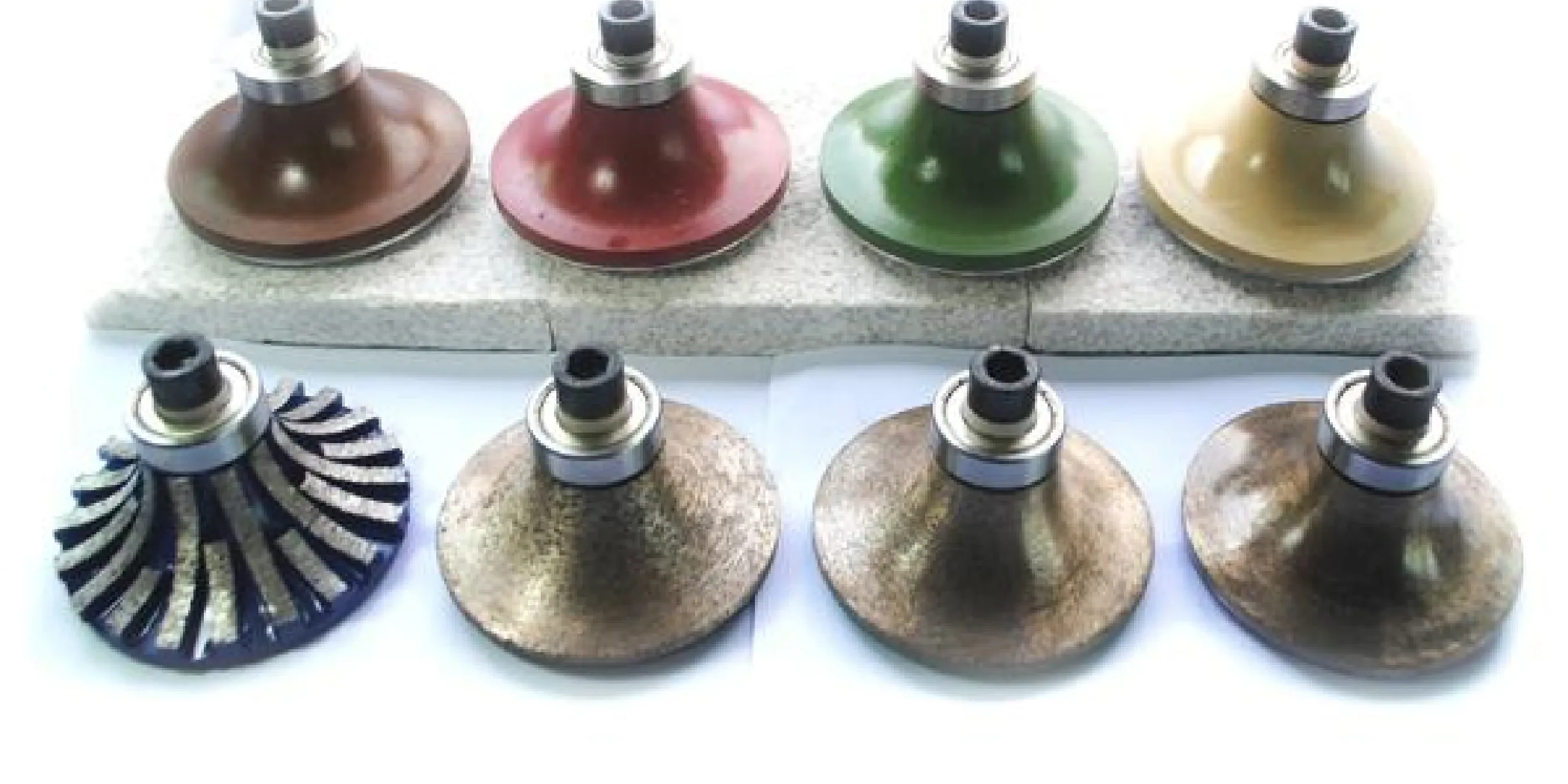
The bonding process is the most critical factor determining a stone router bit's behavior. Each method creates a tool with a distinct balance of durability, cutting speed, and finish quality.
Sintered
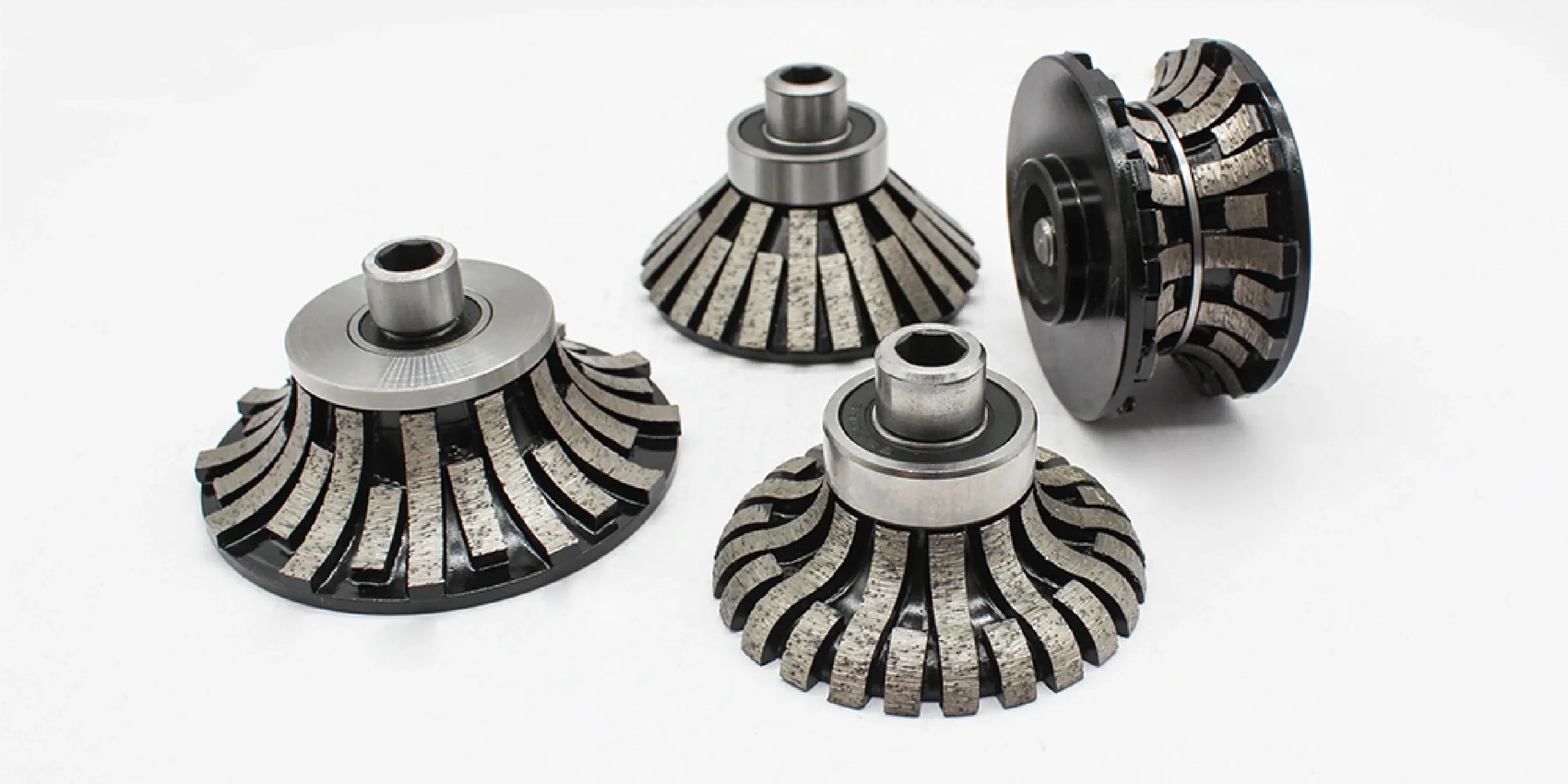
Diamonds are mixed with metal powder and fused under high pressure and heat. This creates a deep, multi-layered diamond matrix. As the tool wears, new diamond crystals are exposed, providing a very long tool life. This makes sintered bits ideal for highly abrasive materials like granite and engineered stone.
Vacuum Brazed
A single layer of diamonds is bonded to the tool surface using a filler alloy in a vacuum furnace. This provides maximum diamond exposure, resulting in a very fast and aggressive cut. It excels on softer, abrasive materials like marble and limestone where speed is preferred over ultimate longevity.
Resin Bond
Diamonds are held in a softer resin matrix. This bond is designed to wear away steadily, making it perfect for polishing and achieving a high-quality, smooth finish. It's used for the final steps in profiling or for delicate materials like ceramics and glass where a gentle touch is required.
Why They Outperform Traditional Carbide Tools
The superiority of diamond over carbide in stone processing comes down to material science. Carbide tools, while hard, dull quickly when cutting abrasive materials containing quartz, like granite. This leads to friction, heat, and chipping. Diamond bits, on the other hand, leverage the supreme hardness of diamond to cut rather than plow through the material. This results in:
Superior Precision: Maintains sharp cutting edges for longer, ensuring consistent profiles and tight tolerances required for modern CNC stone cutting automation.
Longer Tool Life: Manufacturer-reported data shows up to 50x longer life, drastically reducing downtime and replacement costs. The principles of how diamond concentration and bond wear affect longevity are detailed in this guide on how diamond segments control blade life.
Better Finish Quality: A clean, shearing cut minimizes micro-fractures and produces a smoother surface, reducing the need for subsequent polishing steps.
Key Components & Technical Parameters
Understanding these five components is key for any engineer or technician looking to optimize their stone routing process.
Component
Parameter Range / Options
Impact on Performance
Diamond Grit
40-80 (Coarse), 80-120 (Medium), 120-220 (Fine)
Coarse grits remove material faster but leave a rougher finish. Fine grits provide a smoother finish at a slower removal rate.
Bond Type
Sintered, Vacuum Brazed, Resin
Determines the tool's durability and cutting characteristics. Must be matched to the material's hardness and abrasiveness.
Diamond Concentration
Typically rated 25–100 depending on manufacturer and application.
Higher concentration provides longer life and better form holding, but may cut slower. Lower concentration cuts faster but wears more quickly.
Shank Interface
M8, M10, 5/8"-11, M14, etc.
Must match the spindle of the CNC machine or angle grinder. An incorrect or poorly fitted shank causes vibration and runout, leading to poor cuts and safety risks.
Cooling Channels
Internal, external, or none
Efficient water flow is critical. Internal channels deliver coolant directly to the cutting face, which is superior for preventing heat buildup and flushing away swarf.
Common Failure Modes and How to Mitigate Them
Glazing: The diamond surface becomes smooth and stops cutting. Cause: RPM too high, feed rate too low, or insufficient pressure. Mitigation: Decrease RPM, increase feed rate, or use a dressing stick to re-expose sharp diamonds.
Segment Loss: A piece of the diamond segment breaks off. Cause: Excessive vibration, impact (e.g., hitting a clamp), or thermal shock from inadequate cooling. Mitigation: Ensure machine and workpiece are rigid, program toolpaths to avoid collisions, and guarantee constant water flow.
Premature Wear: The tool wears out much faster than expected. Cause: Bond is too soft for the material, RPM is too low, or cooling is insufficient. Mitigation: Switch to a harder bond bit, increase RPM within the recommended range, and check your cooling system.
Starting Point Settings for Typical Scenarios
These are conservative starting points. Always begin with lower feed rates and gradually increase to find the sweet spot for your machine and material. Initial settings depend on bit diameter, material hardness, and machine torque, so always confirm with the manufacturer.
Scenario
Bit Type
Starting RPM
Starting Feed Rate
Granite Edge Profiling (CNC)
Sintered, Medium Grit
2000–3000 RPM (smaller bits can run higher; larger bits lower)
Begin with low feed; increase gradually until clean, chip-free cut.
Marble Carving (CNC)
Vacuum Brazed, Fine Grit
3000–4000 RPM (ensure continuous coolant)
Moderate feed; avoid heat buildup; increase until smooth finish.
What is the difference between a diamond router bit and a diamond profiling wheel?
While both shape stone, a router bit is typically smaller and shank-mounted, whereas a profiling wheel is larger and used on heavy-duty edge polishing machines.
Context: This applies when choosing tooling for different machines. Router bits are for CNC routers and portable grinders, while profiling wheels are for specialized edge machines.
Answer: Router bits offer versatility for detailed work. Profiling wheels are built for high-volume, straight-line edge shaping and generally have a longer life and faster removal rate for that specific task.
Coolant pressure is just as important as coolant flow. Higher pressure more effectively flushes away abrasive slurry from the cutting zone, which is critical for performance.
Context: This is a key technical parameter for CNC operators looking to optimize tool life and prevent premature failure.
Answer: Insufficient pressure, even with adequate water flow, can leave debris in the cut. This debris generates friction and heat, leading to rapid bond wear, glazing, and potential thermal shock to the bit.
Next Step: Review the maintenance section of our O&M Guide for tips on checking your coolant system.
Can these bits be used with a standard wood router?
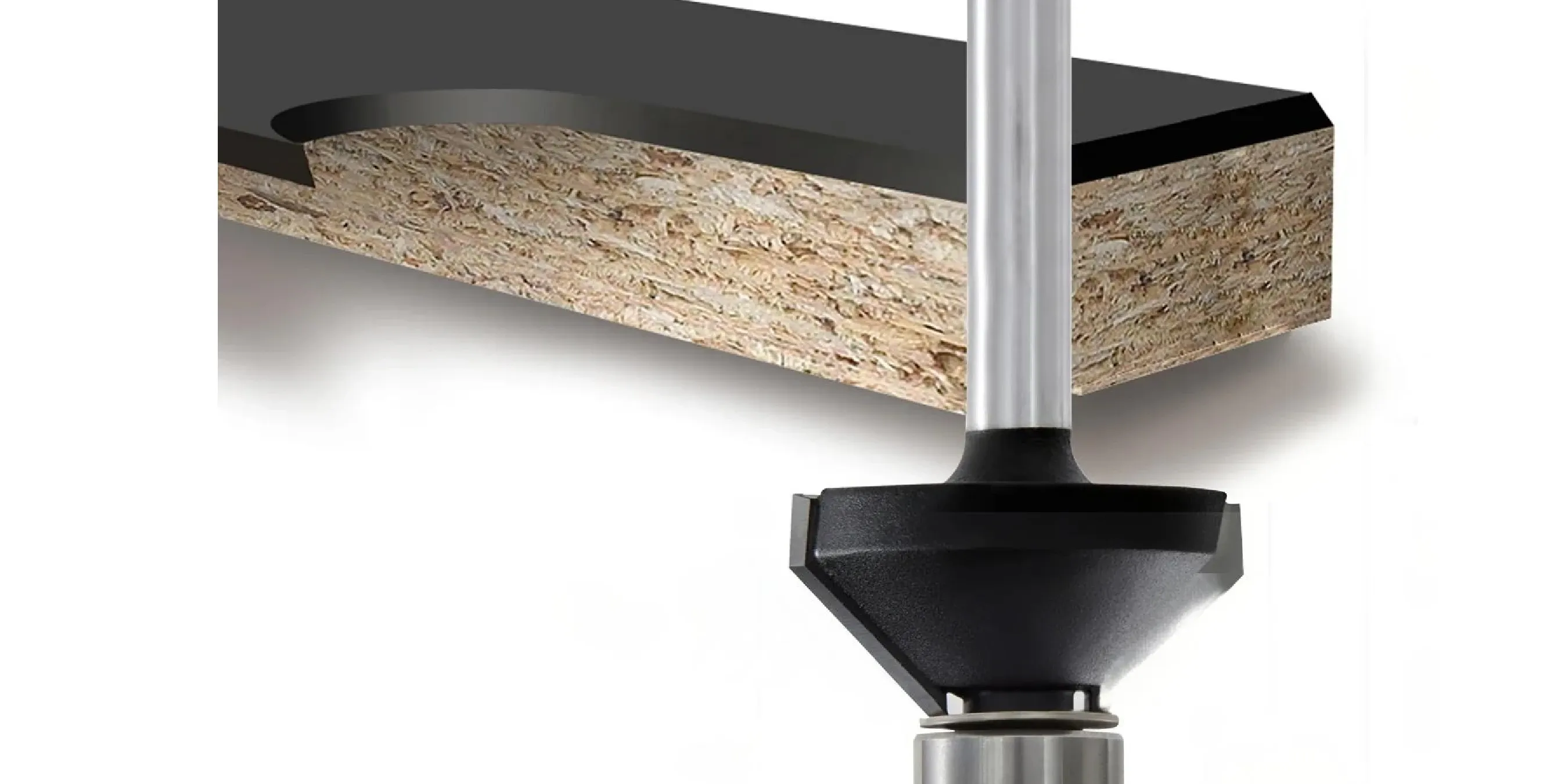
No, this is unsafe and ineffective. Wood routers operate at RPMs that are far too high for stone and lack the necessary torque and wet-cutting capabilities.
Context: This is a common question from users with woodworking backgrounds or shops that handle multiple materials.
Answer: Stone routing requires low RPMs and high torque. Furthermore, the mandatory wet cutting system is incompatible with the electronics and design of most wood routers, creating a serious electrical hazard.
Dressing is the process of re-sharpening a glazed diamond bit by wearing away a small amount of the bond matrix to expose fresh, sharp diamond particles.
Context: This maintenance procedure is used when a bit has stopped cutting effectively (glazed) but still has significant diamond segment left.
Answer: The process involves running the bit against a soft, abrasive material, like a specialized dressing stick or a soft brick. This carefully controlled abrasion removes the smoothed-over bond layer.
Next Step: For detailed instructions, refer to the troubleshooting flowcharts in our O&M guide.
How critical is machine rigidity?
Machine rigidity is extremely critical; it is a foundational prerequisite for achieving a high-quality finish and acceptable tool life when routing stone.
Context: This applies to all stone cutting operations, as any instability in the system is magnified when working with hard, brittle materials.
Answer: Any vibration or deflection in the machine's spindle, frame, or work-holding system is transferred directly to the bit. This causes chatter marks, micro-chipping, and drastically accelerated tool wear.
Next Step: Learn more about optimizing your entire system in our comprehensive CNC stone routing guide.




 中文
中文 Italian
 Türkçe
 Português
 Español
 Deutsch
 العربية
 Tiếng Việt
 Français
 Русский






 Nov 3, 20257 MIN READ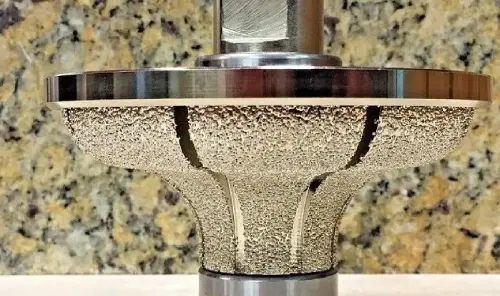
 English