
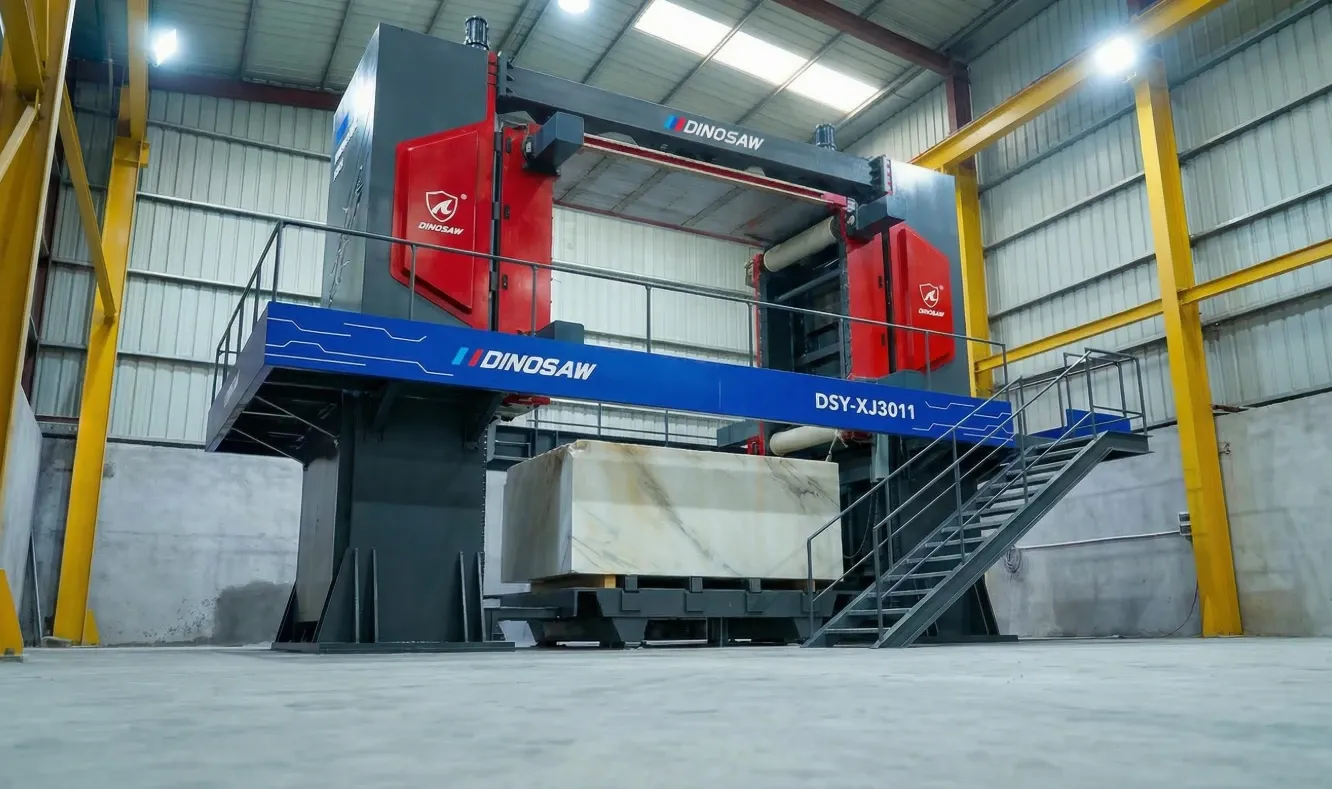
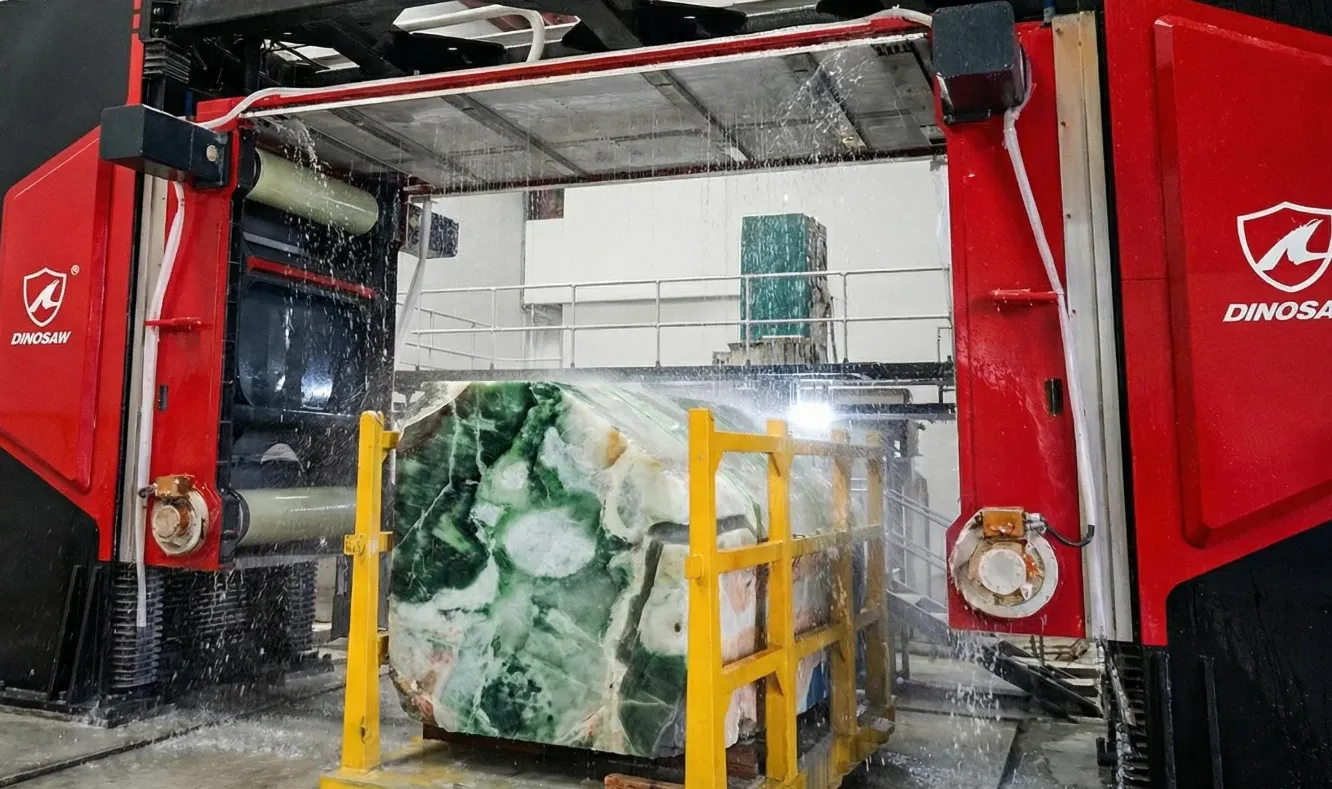
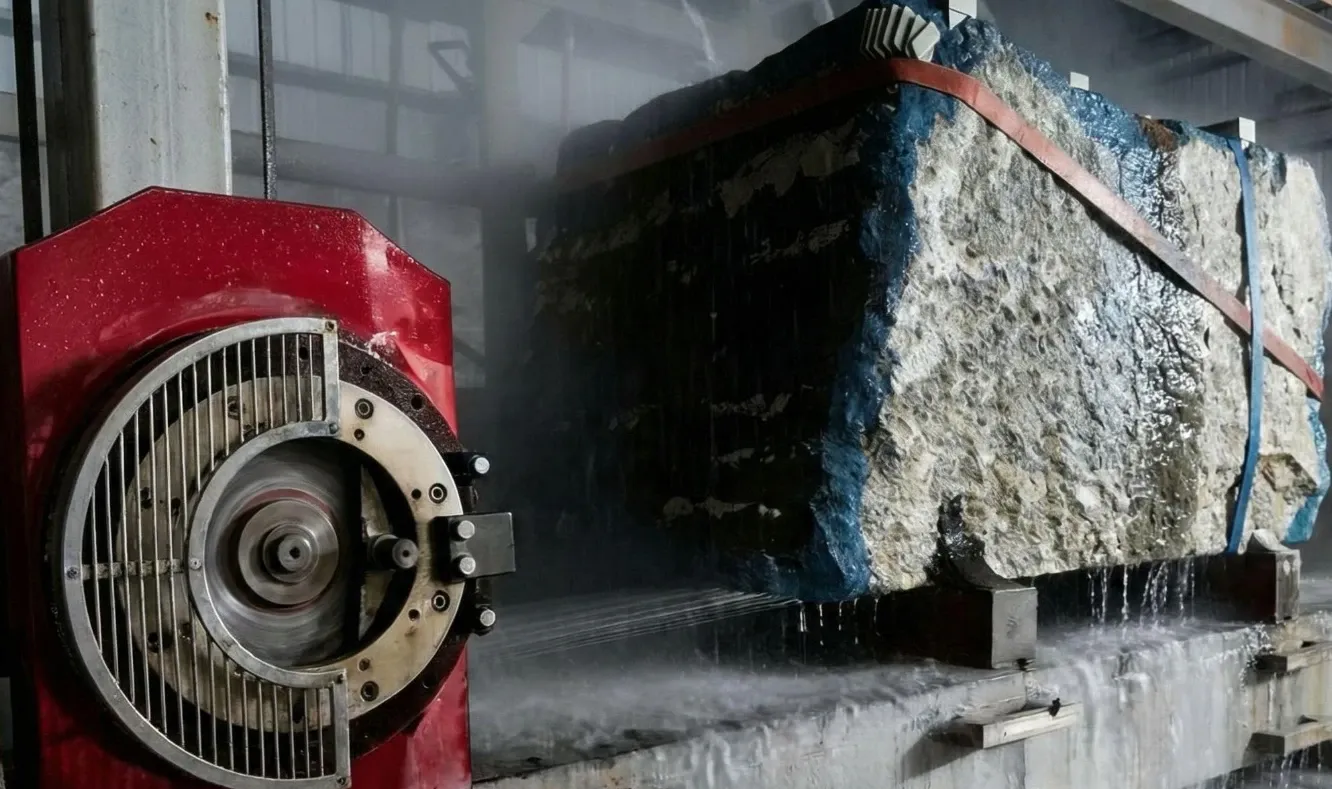

Move beyond operational details. Learn how to implement diamond wire saw technology to enhance safety, expand capabilities, and build operational resilience.
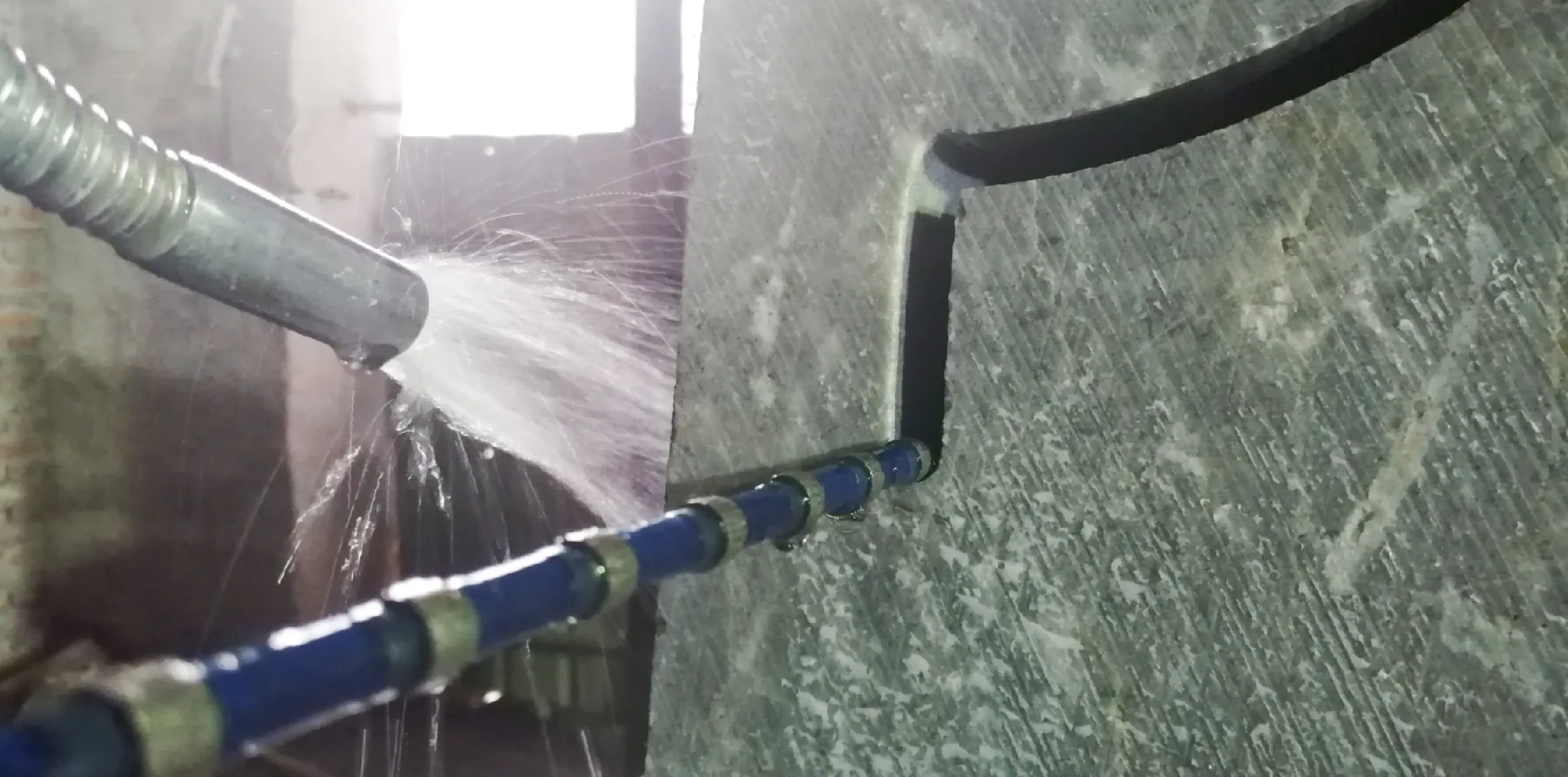
TL;DR: The Strategic Case for Diamond Wire Saws

  • Adopting this technology is a strategic move to de-risk operations, enabling projects that are impossible with conventional tools.
  • It enhances your firm’s reputation by improving safety compliance (OSHA), reducing environmental impact, and delivering higher quality outcomes.
  • Successful implementation hinges on a phased rollout: pilot project, targeted training, and scalable integration.
Ready to build a more resilient operation? Discuss your strategic goals with our team.
金刚石-产品图.webp

Beyond Operations: Viewing Diamond Wire Saws as a Strategic Asset

  As an executive, your focus extends beyond daily operations to long-term strategic advantage. While your engineers see a cutting tool, you must see a mechanism for unlocking new capabilities and mitigating enterprise-level risk. Adopting diamond wire saw technology is not just an operational upgrade; it is a business decision that strengthens competitiveness, reduces long-term liabilities, and opens new revenue streams.

The Strategic Pillars of Diamond Wire Saw Adoption

Safety & Compliance

Drastically reduces respirable crystalline silica dust, helping meet stringent OSHA and NIOSH guidelines. The low-vibration, "cold cut" nature also minimizes structural risk and fire hazards, strengthening your safety posture.

Capability Expansion

Enables you to bid on and execute complex projects—such as underwater decommissioning, cutting in explosive environments, or precision architectural work—that are off-limits for traditional methods. This opens up higher-margin markets.

Quality & Reputation

Delivering clean, precise cuts with minimal material waste and environmental disturbance enhances your reputation as a high-quality, modern contractor. This becomes a competitive differentiator in a crowded market.

Operational Resilience

Faster, more predictable project timelines reduce exposure to delays and associated penalties. A reliable, well-maintained wire saw system minimizes unplanned downtime, making your operations more robust and dependable.

ScreenShot_2025-11-18_112242_666@1.5x.webp

A Complete Resource Hub

Making a major capital investment requires thorough research. Use our complete blog
series to guide your decision

3-Step Implementation Roadmap for a Seamless Transition

Phase 1: Pilot Project & Needs Assessment (Weeks 1-4)
  • Select a small, measurable project to serve as a proof-of-concept.
  • Work with DINOSAW experts to define clear KPIs (e.g., cutting speed, dust levels, setup time).
Phase 2: Targeted Training & Best Practice Development (Weeks 5-8)
  • Provide hands-on training from DINOSAW technicians for your core team.
  • Document SOPs for machine operation, tool care, and safety protocols based on the pilot.
Phase 3: Scaled Integration & Continuous Improvement (Weeks 9+)
  • Roll out the technology to other teams and projects based on the established best practices.
  • Establish a maintenance and consumable supply plan to ensure operational continuity.

ScreenShot_2025-11-18_104524_851@1.5x.webp

Managing Implementation Risks

  • Technical Risk: A mismatched tool or poor maintenance can lead to wire breakage and downtime. Mitigation: Partner with a reputable supplier like DINOSAW for expert guidance on tool selection and a robust maintenance schedule.
  • Operational Risk: Lack of proper training is the primary cause of accidents and inefficient use. Mitigation: Mandate comprehensive, hands-on training for all operators. Do not treat it as optional.
  • Compliance Risk: Failure to manage dust and slurry can result in regulatory fines. Mitigation: Implement wet cutting as standard practice and adhere to local environmental regulations for slurry disposal.

What is the biggest barrier to successful implementation?

The biggest barrier is often cultural resistance from operators, which can be overcome with management buy-in and proper training.
  • Context:Operators accustomed to traditional methods may be hesitant to adopt a new process. A clear plan that demonstrates the benefits in safety and efficiency is needed to get them on board.
  • Next Step:Start with the pilot project phase of our implementation roadmap to build confidence.

How does this impact our insurance and liability costs?

I It positively impacts them by reducing workplace hazards, which can lower insurance premiums and liability risks.
  • Context:Replacing high-risk methods like blasting with a controlled, low-dust solution improves your safety record. This can lower workers' compensation premiums and reduce the risk of costly litigation from accidents or health issues like silicosis.
  • Next Step:Discuss these safety advantages with your insurance provider, citing compliance with OSHA standards.

ScreenShot_2025-11-17_214125_610@1.5x.webp

Can we lease the equipment before committing to a purchase?

Yes, leasing or pilot programs are often available to validate the technology with minimal upfront capital risk.
  • Context:This is an excellent way to build a business case for a full-scale investment by testing the equipment on a real-world project.
  • Next Step: Contact our sales team to discuss available pilot and leasing options.

How does diamond wire cutting contribute to sustainability goals?

It contributes by reducing noise and air pollution, conserving materials, and lowering energy consumption.
  • Context:The technology benefits the environment by reducing noise, improving air quality via dust control, minimizing material waste due to high precision, and consuming less energy per cut compared to some traditional methods.
  • Next Step:Showcase these benefits in your company's ESG (Environmental, Social, and Governance) reporting.

What kind of data can we get from modern wire saw systems?

Modern systems provide valuable operational data like cutting speed, tension, and amperage for productivity tracking and predictive maintenance.
  • Context:PLC-controlled systems can output data on cutting speed, wire tension, amperage draw, and total cutting area. This data is key for monitoring productivity and managing consumables.
  • Next Step:Integrate this data feed into your existing project management software to create performance dashboards.

ScreenShot_2025-11-17_214240_548@1.5x.webp

How does this technology affect workforce development?

 It upskills your workforce, shifting the focus from manual labor to skilled, modern equipment operation.
  • Context:Training your staff on this technology enhances their skill set, improves retention, and attracts new talent interested in working with safer, more advanced tools.
  • Next Step:Partner with a supplier like DINOSAW that offers comprehensive training programs.