Your Requirements Checklist: manual industrial stone cutting machine specs
Use this checklist to define your operational needs and match them to the machine's capabilities.
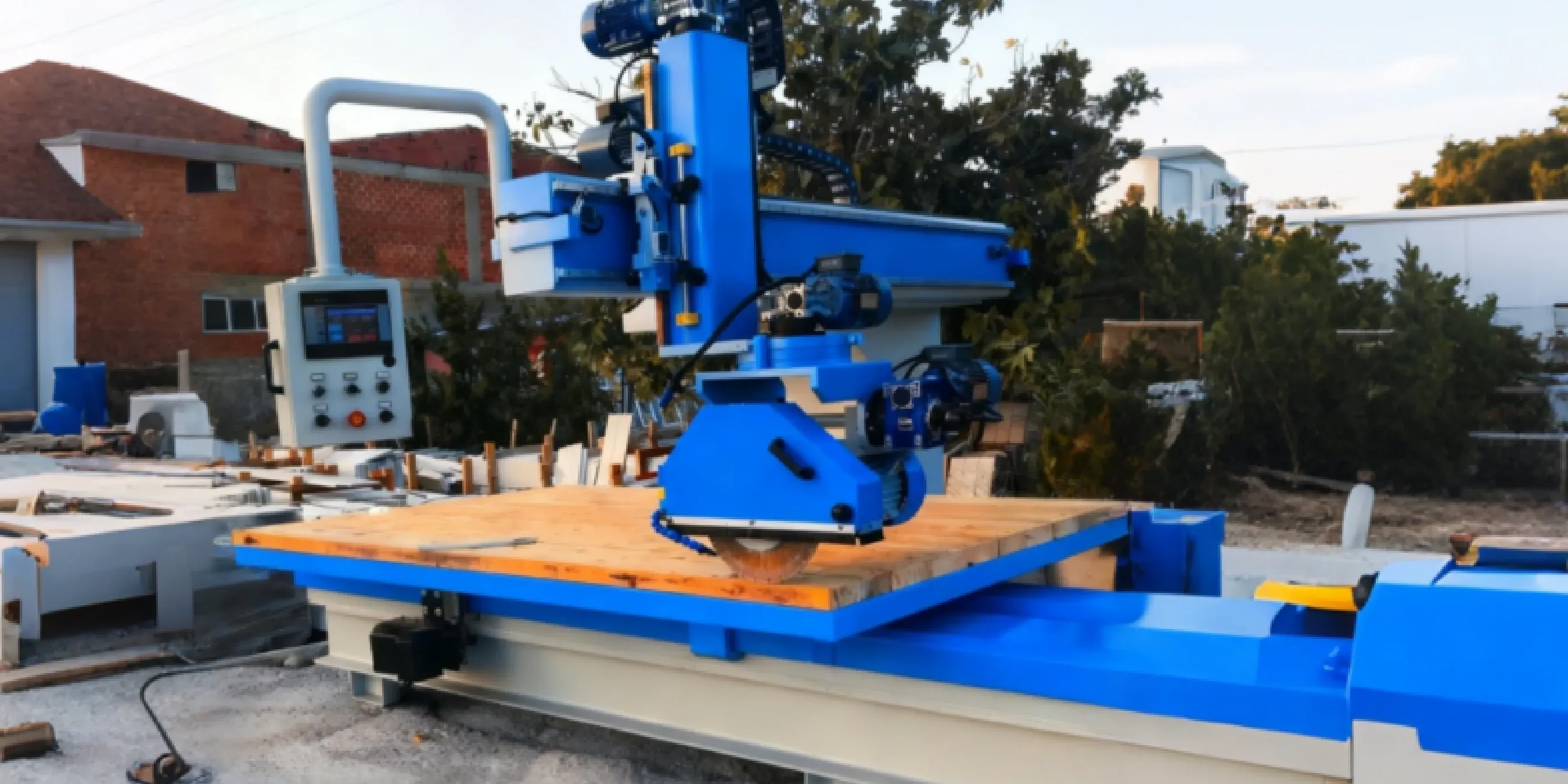
Selection Quick View: manual stone edge cutter vs automatic bridge saw
Position the manual stone cutter within your technology landscape to understand its unique value.
Manual Stone Edge Cutter: Wins on speed and cost for straight cuts and 45° chamfers. Its simplicity means rapid deployment and low TCO. The main limitation is its unsuitability for complex curves.
Automatic Bridge Saw (CNC/PLC): Wins on complex geometry, high-volume production, and repeatability. It's the go-to for nested cutting and intricate designs. The trade-off is higher deployment and maintenance costs. Wins on complex geometry, high-volume production, and repeatability. It's the go-to for nested cutting and intricate designs. The trade-off is higher deployment and maintenance costs.
Waterjet Cutter: Wins on intricate shapes and multi-material cutting without a heat-affected zone. It is significantly slower and more expensive for standard straight cuts and bevels.
Wire Saw Machine: Wins on cutting thick blocks, large-radius curves, and 3D contours that saws cannot handle. It is not optimized for high-speed processing of thin slabs.
Your 5-Step Pilot Plan
Validate the machine's value with a structured, two-week pilot program.
Scenario Definition: Select three representative jobs: a marble countertop edge, a quartz backsplash panel, and a granite curb stone. Define the material, dimensions, and required finish for each.
Data Collection: For each job, baseline and then measure key metrics: dimensional tolerance, angle deviation, edge chipping rate, and total cycle time (setup to completion).
Success Thresholds: Define clear, measurable acceptance criteria. Examples: dimensional accuracy within ±1mm, angle deviation ≤0.5°, a significant reduction in chipping, and a 20–30% improvement in cycle time for standard tasks.
Two-Week Timeline:
Week 1: Parameter tuning and SOP finalization. Work with operators to find optimal feed rates and blade choices for each scenario.
Week 2: Batch validation and review. Run small batches for each scenario to confirm repeatability and collect final data.
Cross-Functional Review: Convene stakeholders from engineering, quality, safety, and purchasing to review the pilot data. Formulate a "production-ready" conclusion and identify any remaining action items.
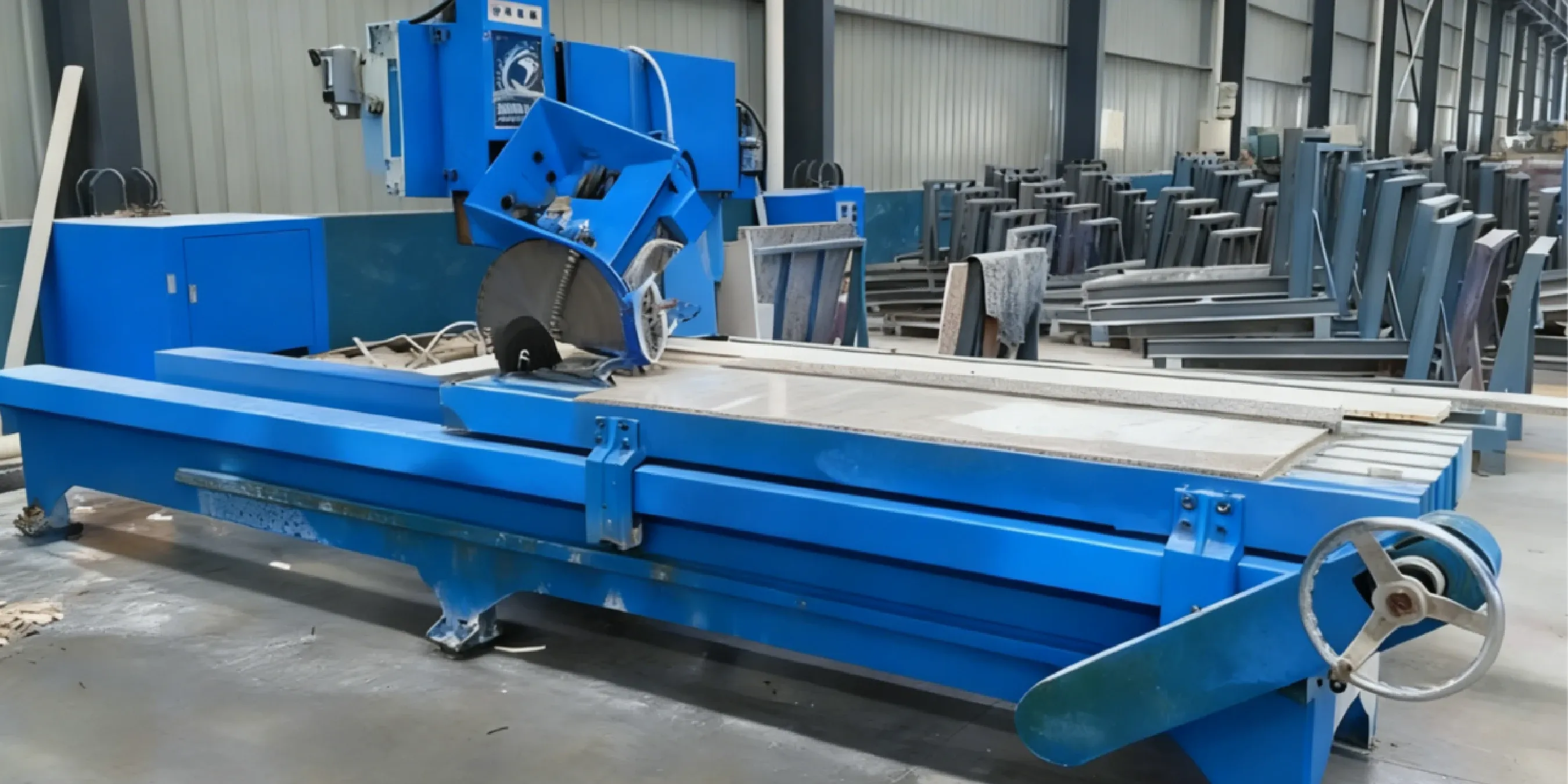
Navigating the Decision Gates
Ensure all checkpoints are cleared before final approval.
Technical Gate
Capability confirmed (max cutting size, blade diameter Φ350–Φ600, power).
Fixturing and clamping plan is viable.
Quality inspection process and standards are defined.
Commercial Gate
TCO model is approved (including consumables, maintenance, energy).
Delivery timeline and Service Level Agreement (SLA) meet requirements.
Spare parts list and availability are confirmed.
Legal & Compliance Gate
OSHA/NIOSH dust control measures are documented.
CE/ISO 9001:2015 certifications are verified.
Safety training records plan is in place.
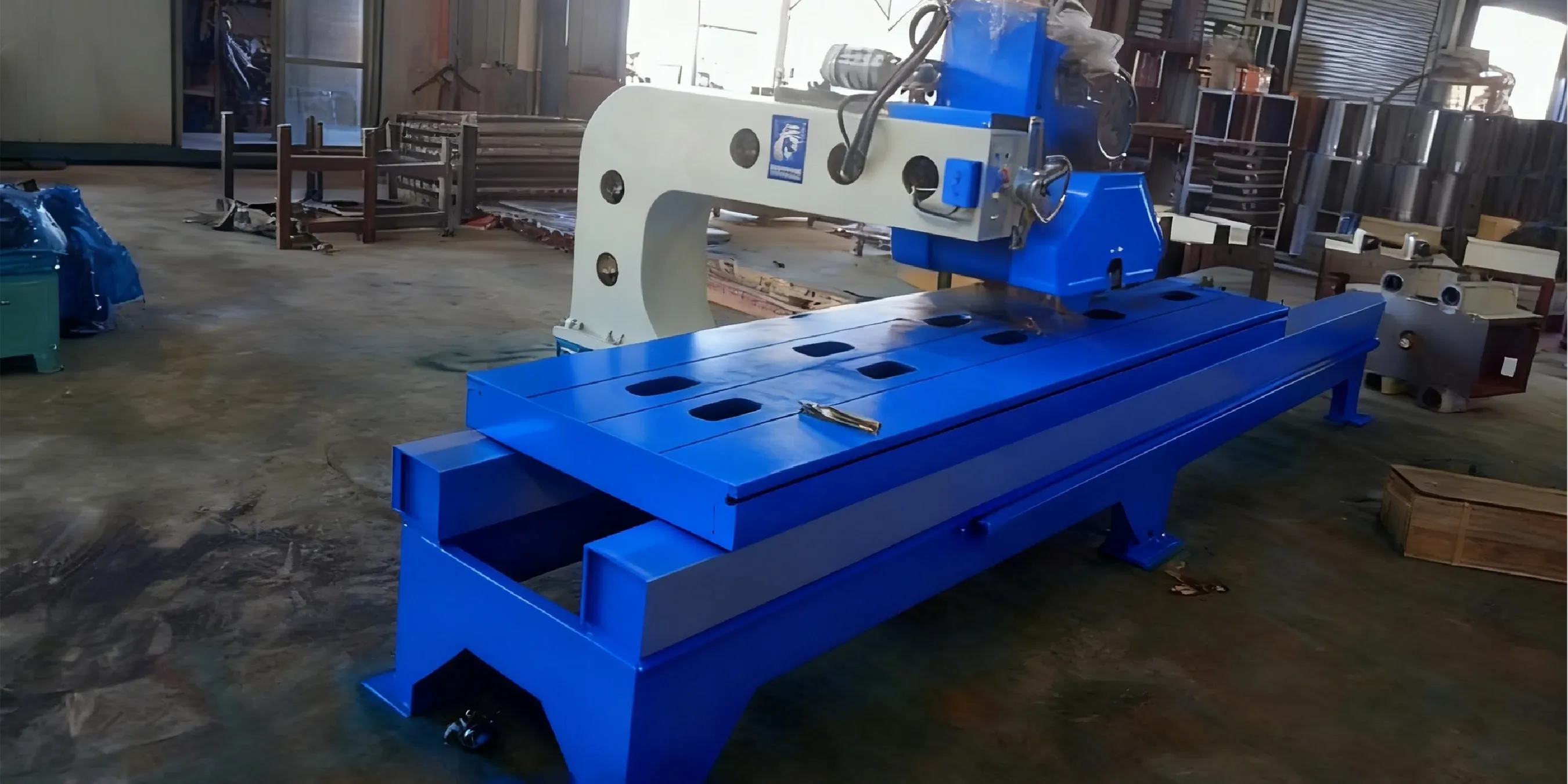
Contract & Delivery Checklist
Ensure these key points are clearly defined in your purchase agreement.
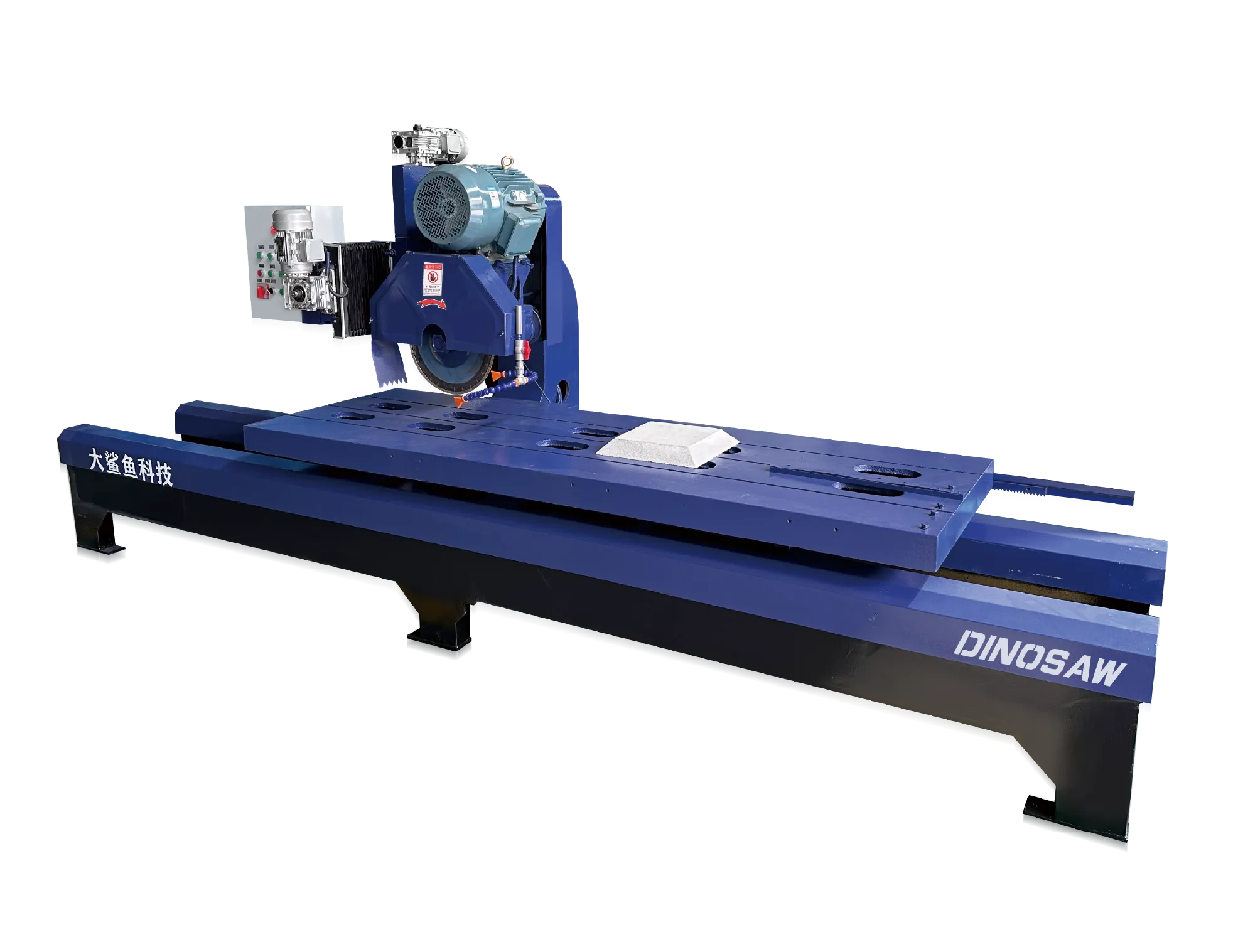
Scope and Specifications: Explicitly list the machine model (e.g., SYQJ-600ZB), included components (main motor, worktable size), and all optional features.
Delivery Timeline: Define the Ex-Works/FOB date and estimated arrival, including any penalties for delays.
Installation and Training: Specify the scope of on-site or remote installation support and the duration of operator training.
Warranty Terms: Detail the warranty period for both parts and labor.
Service Level Agreement (SLA): Document response times for support requests and escalation paths for critical issues.
Spare Parts and Consumables: Attach a recommended spare parts list and confirm the supply process for consumables like blades.
Compliance Documentation: Ensure the delivery includes all necessary compliance certificates (CE, ISO 9001) and safety manuals. According to OSHA 29 CFR 1926.1153, employers must maintain records of exposure control methods.
Implementation & Training
A smooth rollout depends on a structured implementation plan.
Site Prep: Ensure the floor is level and the three-phase 380V/440V electrical connection is installed by a qualified professional.
Systems Check: Commission the water cooling circuit (2–3 m³/h) and inspect all safety guards and emergency stops.
Core SOP Training: Train operators on guide rail lubrication, the 45° calibration procedure, and safety protocols, including PPE usage and lockout/tagout.
Parameter Starting Points (To Be Validated in Trial Cuts):
Soft Stone (Marble): Use a fine-tooth blade, a gentle feed rate, and 2–3 m³/h water flow.
Hard Stone (Granite): Use a medium-to-coarse grit blade, a slow feed rate, and multiple shallow passes.
Thin Slabs: Use a thin-kerf blade, ensure full slab support with clamps, and perform a strict 45° calibration.
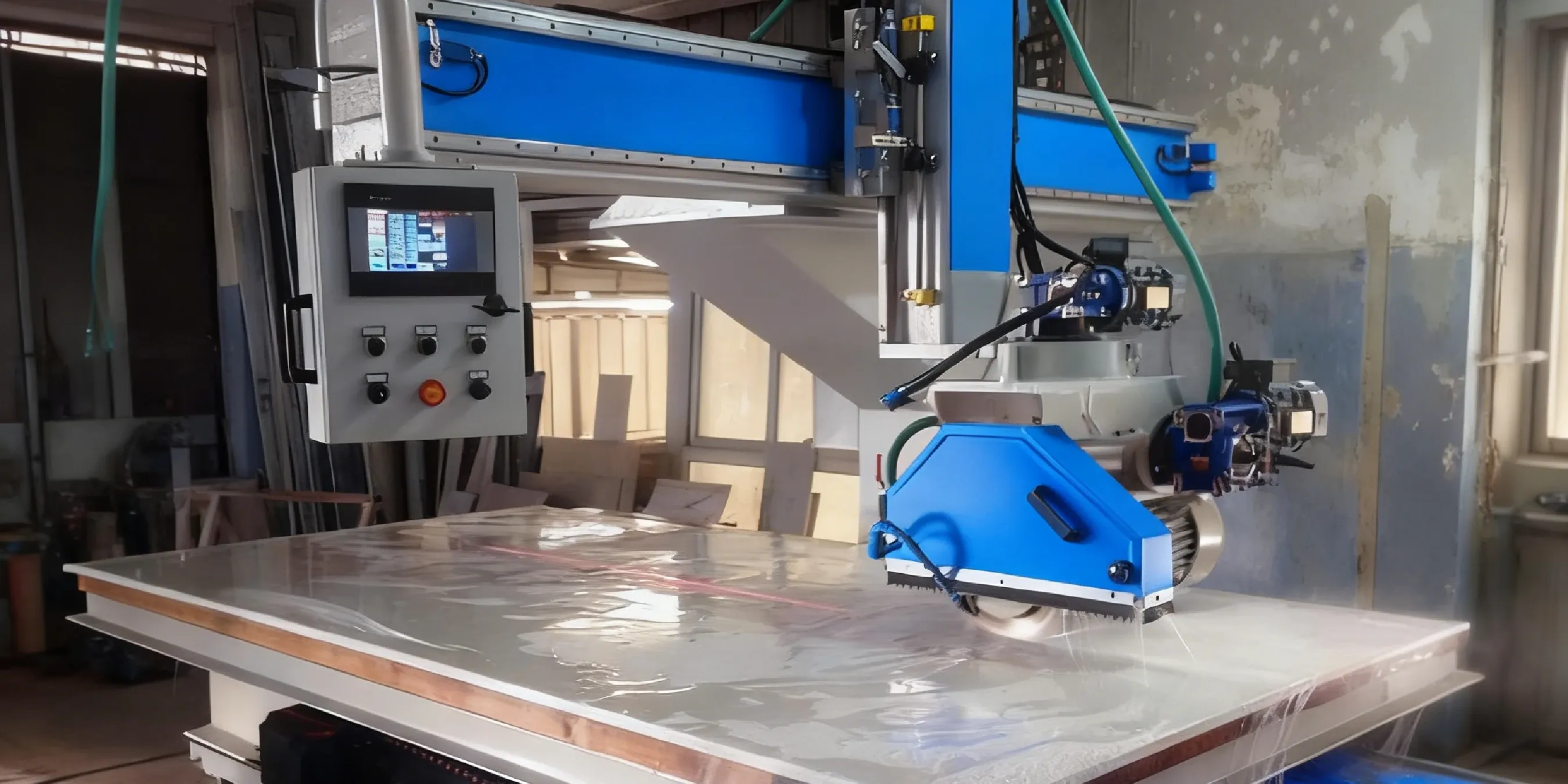
Post-Sales & Service Level Agreement (SLA)
Long-term reliability is guaranteed by a robust post-sales support structure.
Support Channels: Access to technical support via email, phone, and on-site visits as defined in your SLA.
Response Times: SLAs typically define response windows, such as a 4-8 hour remote response for critical failures.
Escalation Path: A clear procedure for escalating unresolved issues to senior engineers or management.
Annual Maintenance Package: Optional packages for comprehensive annual inspections to maintain peak performance.
Spare Parts Availability: Guaranteed turnaround times for critical spare parts to minimize downtime. For detailed specifications and support options, visit the product page for the Manual Industrial Stone Cutting Machine.
Four-Link Summary
Dive deeper into the topics that matter most to your team:
Applications & Case Studies: See real-world examples of how the machine handles granite countertop edges, marble chamfers, and quartz panels. Technical Principles: Understand the engineering behind its precision, including its cast iron frame, oil-immersed guide rails, and 45° chamfer control. Selection & Comparison: Use our decision tree to compare the manual cutter against CNC, infrared, and waterjet systems for your specific job mix. Operation & Maintenance: Access detailed SOPs, troubleshooting flows, and preventive maintenance schedules to maximize uptime and safety.
Frequently Asked Questions (FAQ)
Is this Manual Industrial Stone Cutting Machine the right fit for our product mix?
It’s the right fit if your work is primarily straight cuts & 45-degree chamfering, making the manual industrial stone cutting machine your workhorse.
Context: The SYQJ-600 is optimized for speed and low TCO on high-volume, low-complexity tasks. It excels where CNC programming time is not justified.
Benefits: You gain rapid deployment, operational flexibility for one-off jobs, and a reliable machine with a simple maintenance schedule.
What key requirements should we define before selection?
Define material types, blade Φ350–Φ600, cutting capacity 3000x1200x180 mm, precision tolerance, and required CE/ISO 9001:2015 certifications.
Context: This data ensures the machine's technical specifications, from its worktable size to its power, match your operational reality.
Benefits: A clear requirements list prevents purchasing an under- or over-specified machine and serves as the basis for your pilot plan's success metrics.
How do we design a pilot and set acceptance criteria?
Run a 2-week pilot to validate 45-degree chamfer consistency and the performance of the oil-lubricated guide rails against pre-defined metrics.
Context: A successful pilot proves the machine's value with hard data, making the final purchasing decision easy for all stakeholders.
Benefits: It de-risks the investment by confirming the machine meets your quality and efficiency standards before a full-scale rollout.
What decision gates should our team set before purchasing?
Establish gates for Technical (e.g., three-phase power availability, which is configurable), Commercial, Compliance (e.g., dust-proof covers), and Executive approval.
Context: These gates ensure that engineering, purchasing, legal, and management all approve the key aspects of the acquisition, from TCO to safety compliance.
Benefits: This structured process prevents oversights and ensures all departments are aligned, leading to a smoother implementation.
Next Step: Use our decision gates checklist to structure your internal review meetings and review the machine specifications.
Which contract and delivery terms matter most?
Focus on a clear scope, delivery timeline, warranty, and an SLA confirming compliance with OSHA 1926.1153 silica and NIOSH REL 0.05 mg/m³.
Context: These terms protect your investment by defining exactly what you will receive, when you will receive it, and what level of support you are entitled to.
Benefits: A well-defined contract minimizes ambiguity and provides clear recourse if issues arise with delivery or performance.
How do we ensure our manual stone cutter operation is compliant and safe?
Enforce mandatory PPE use, maintain the water cooling system (2–3 m³/h) for dust suppression, and follow procedures for edge chipping mitigation.
Context: Compliance with standards like OSHA and NIOSH for silica dust is non-negotiable. The machine's design aids compliance, but operational discipline is essential.
Benefits: A strong safety culture protects your team, reduces liability, and ensures uninterrupted operations.




 中文
中文 Italian
 Türkçe
 Português
 Español
 Deutsch
 العربية
 Tiếng Việt
 Français
 Русский






 Nov 7, 20258 MIN READ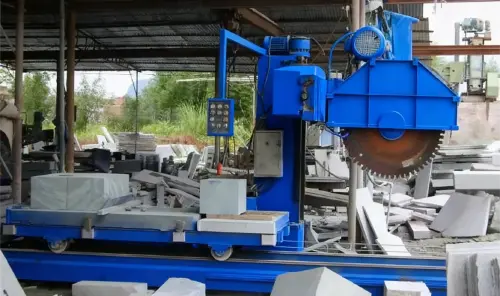
 English