What it does for you: It increases material yield, improves block consistency, and reduces labor requirements compared to traditional methods.
Where it fits: Excels with medium-hard dimension stone up to 500 mm thick. Not ideal for granite or non-linear shapes.
How to proceed: Use the requirements checklist below, then move to a structured pilot with clear targets for precision, cycle time, and waste reduction.
This guide provides a top-down framework for decision-makers evaluating a quarry cutting machine. It covers the entire procurement journey, from initial needs definition to post-sales support, ensuring a well-informed investment that aligns with your technical and business goals.
How to Define Your Requirements: A Checklist
Start by verifying your operational needs against the machine's core capabilities.
Material: Is your primary material sandstone, limestone, or laterite?
Geometry: Is your target block thickness consistently ≤500 mm? Is high right-angle consistency required?
Power: Is a stable 150 kW power source (≥180 kW generator) available?
Site: Is a stable, level area available for a 100 m track? Is a site leveling plan in place?
Safety: Is a dust control plan in place? Will PPE protocols follow OSHA/HSE standards?
How to Structure a Pilot Plan (5 Steps)
Define Scope: Select one representative quarry face and define the target block geometry.
Set Baselines: Start with recommended speeds (e.g., 25–30 m/min for sandstone) and document all settings.
Establish Metrics: Set clear targets, e.g., precision of ±1 mm, angle deviation ≤0.5°, cycle time improvement of 20–30%, and waste reduction of 25–35%.
Execute & Monitor: Week 1 for setup/calibration; Weeks 2–3 for test runs; Week 4 for analysis.
Determine Acceptance: The pilot is successful if metrics are met. If not, analyze data to determine if adjustments are needed.
How to Navigate Internal Decision Gates
Technical Gate: Confirm spec fit (cutting depth, power). Verify track leveling plan is feasible.
Business Gate: Approve CAPEX and TCO analysis. Confirm delivery lead time and training inclusion.
Legal & Compliance Gate: Review contract terms, warranty, and liability. Confirm machine and operational plan meet all safety limits and PPE mandates.
Executive Gate: Present final ROI projection and risk mitigation plan. Provide supplier references.
What Should Be in the Four Core Blog Posts?
Applications & Cases: Understand what the machine can do, its boundaries, and see real-world mini-cases.
Technology & Principles: Dive into the system architecture, component parameters, and failure mitigation.
Selection & Comparison: Use an If-Then guide and neutral comparisons to select the right configuration.
Operation & Maintenance: Follow clear SOPs, troubleshooting flows, and a proactive maintenance schedule.
Frequently Asked Questions (FAQ) for Executives
What is a quarry cutting machine vs. drilling/splitting?
A quarry cutting machine uses saws for precise cuts, whereas drilling and splitting create uncontrolled fractures.
Context: It is preferred when block uniformity and high material yield are key, as it can reduce waste by up to 35% (manufacturer-reported).
Boundaries: While the initial investment is higher, the value comes from reduced waste and less secondary finishing.
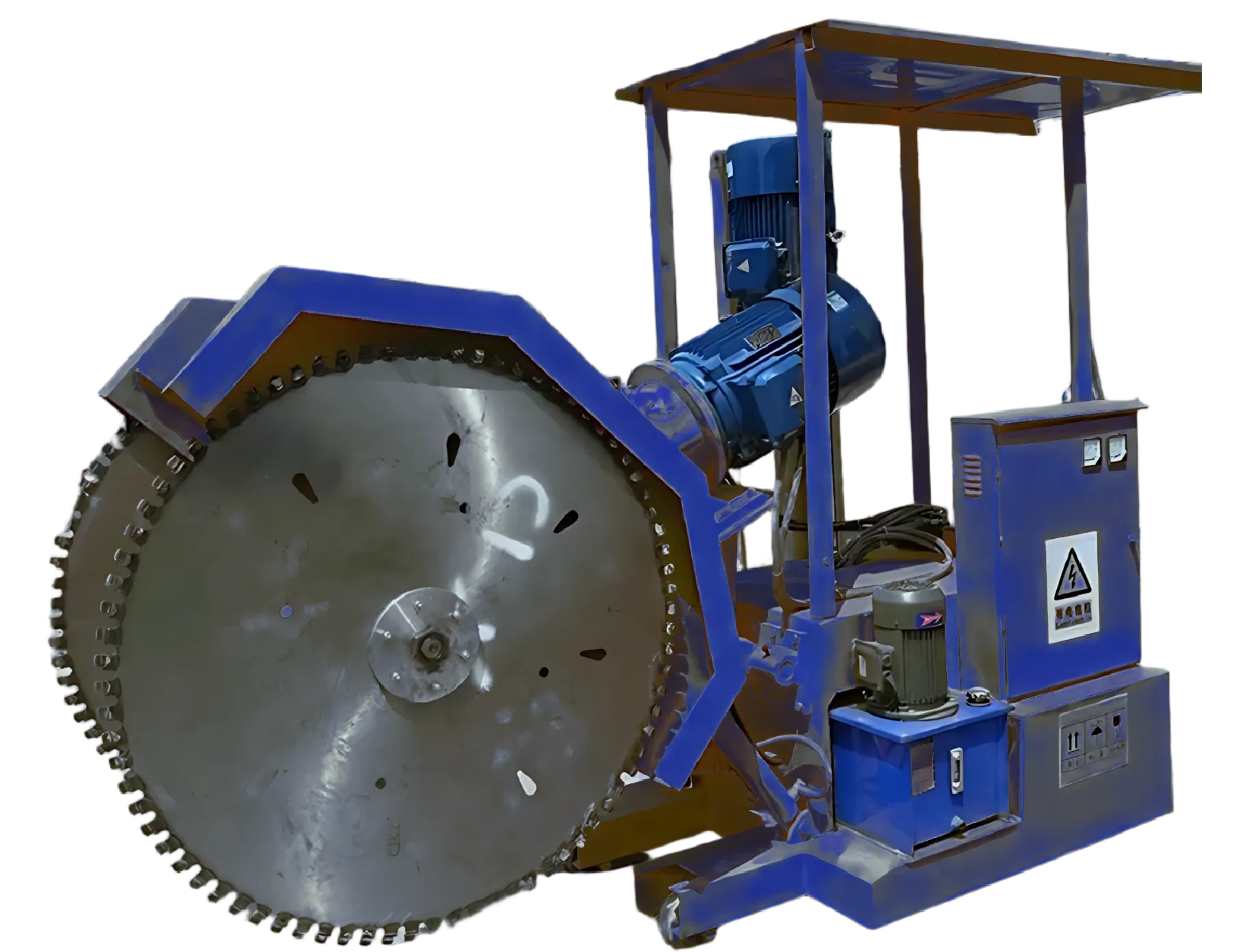
Next Steps: Build a business case by comparing the CAPEX against savings from higher yield and reduced labor. Check the Sandstone cutting machine for quarrying page.
Do we meet the 500 mm cutting depth and right‑angle needs?
Yes, if your target block thickness is 500 mm or less and you require dimensionally accurate blocks.
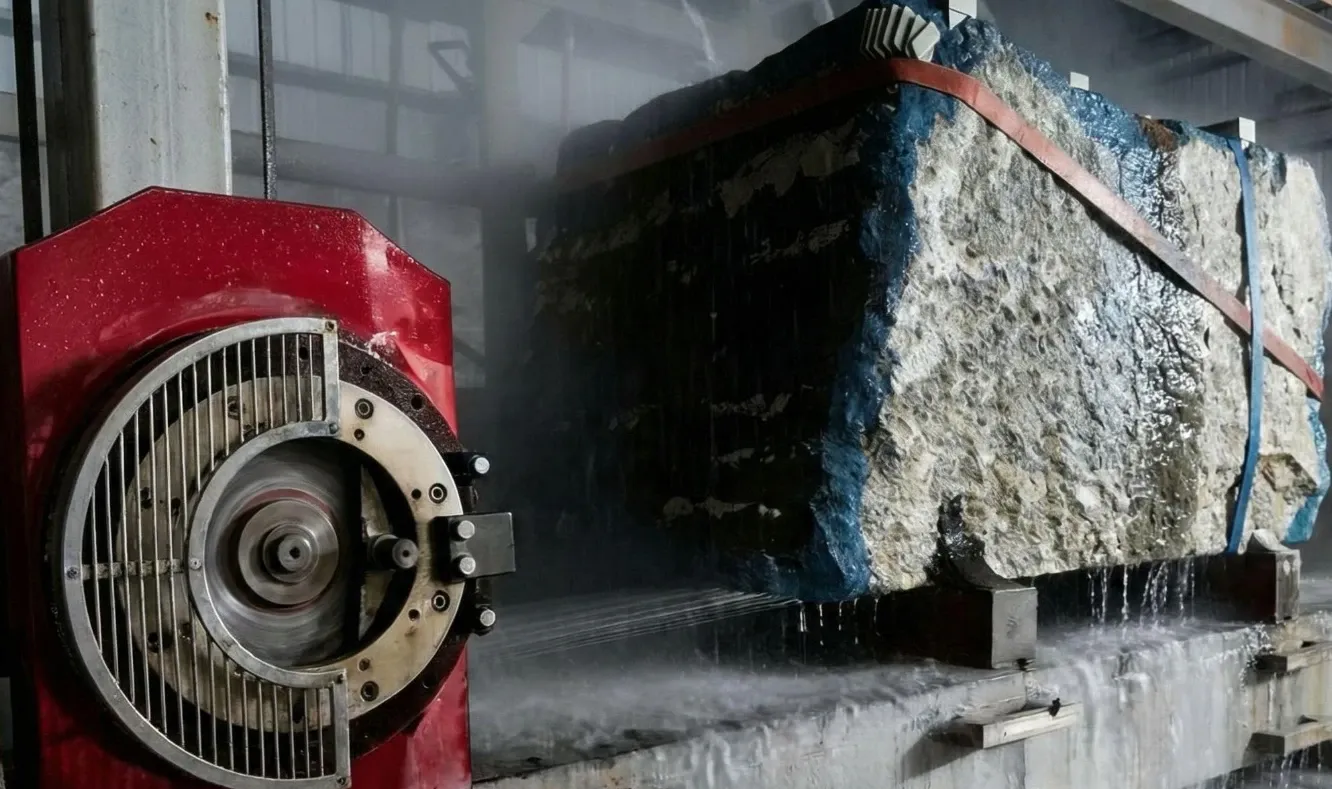
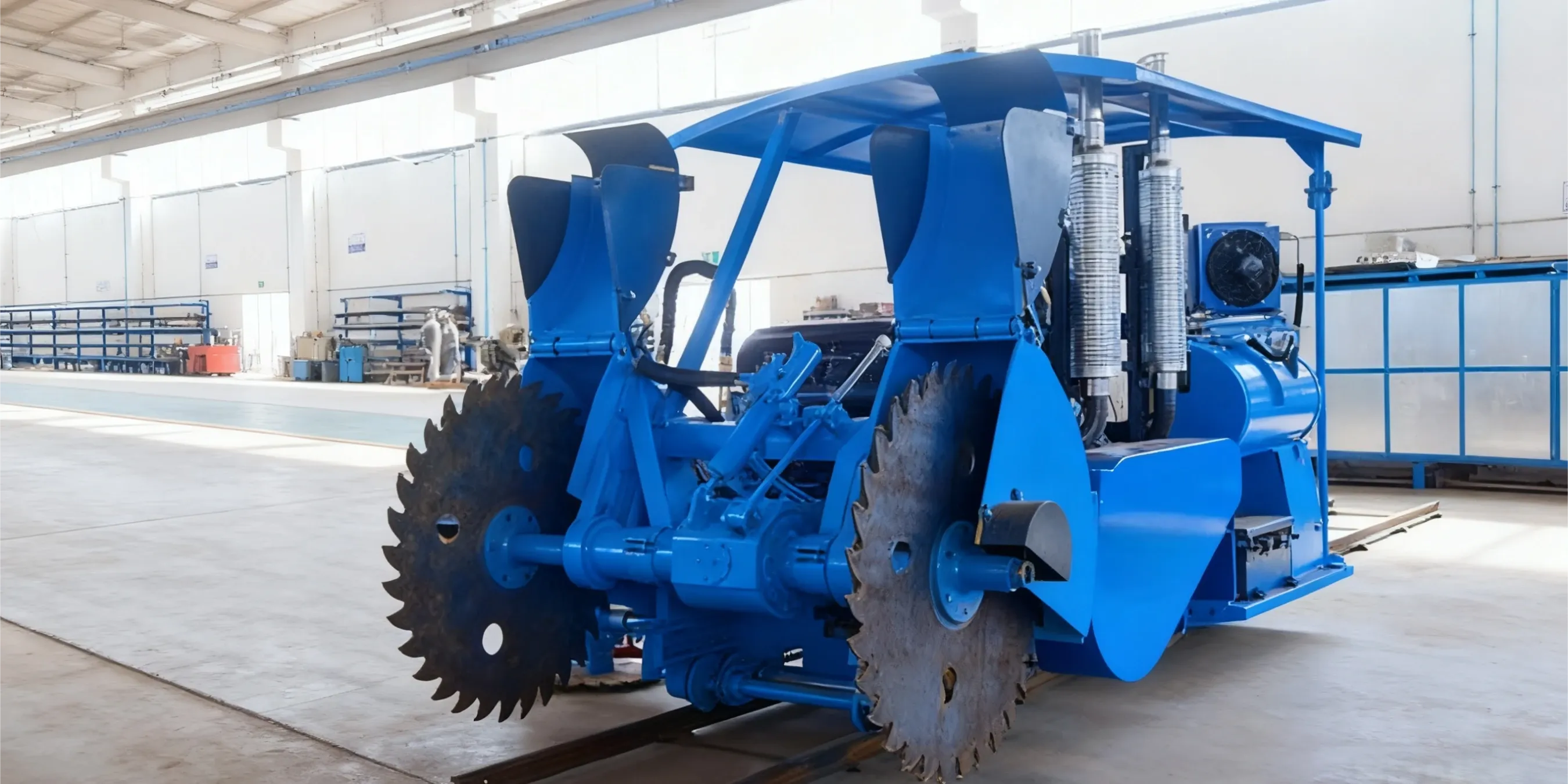
Context : The machine's 500 mm max cutting depth is a hard limit. Its dual-saw design ensures right-angle consistency.
Boundaries: If your requirements exceed this depth, you should evaluate wire saws.
Next Steps: Confirm your final product's dimensional tolerance requirements before proceeding.
When is a diamond wire saw a better alternative?
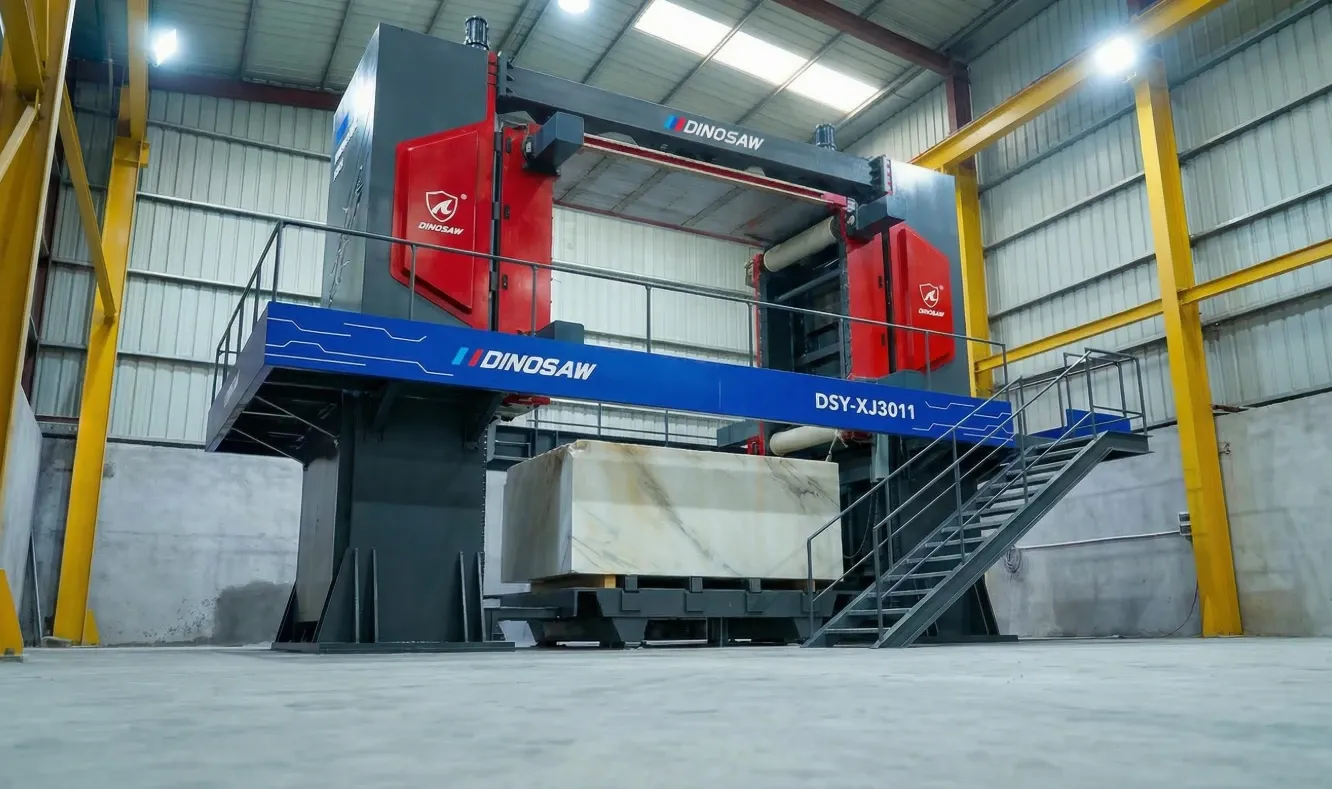
A wire saw is better for ultra-hard rock (granite), blocks larger than 500 mm deep, or non-linear cuts.
Context : For straight-line extraction of standard blocks in medium-hard stone, this dual-saw machine is faster and more cost-effective.
Boundaries: The dual-saw machine is a high-throughput solution for dimensional stone; the wire saw is a more versatile tool for difficult jobs.
Next Steps: If granite is a significant part of your operation, a wire saw is a necessary complementary technology.
What internal approvals are needed before purchase?
You need sign-off from Technical, Finance, Legal/Compliance, and Executive leadership.
Context : Technical confirms spec fit; Finance approves CAPEX; Legal reviews the contract; Executives approve the final business case.
Boundaries: Skipping a gate, especially technical or legal review, can lead to costly post-purchase issues.
Next Steps: Present a consolidated business case covering all four areas to secure final executive approval.
What SLA and spares should we request up front?
Request clear Service Level Agreement (SLA) terms for support and an initial spares package.
Context: The SLA should define response times. The spares package should include blades, filters, and high-wear items like bearings.
Boundaries: An SLA is only valuable if it includes clear definitions and escalation paths.
Next Steps: Negotiate these terms into your purchase contract before signing. Review the spares list in the product manual.
Which PPE and dust limits apply?
All operators must use PPE, and operations must adhere to regional silica dust exposure limits.
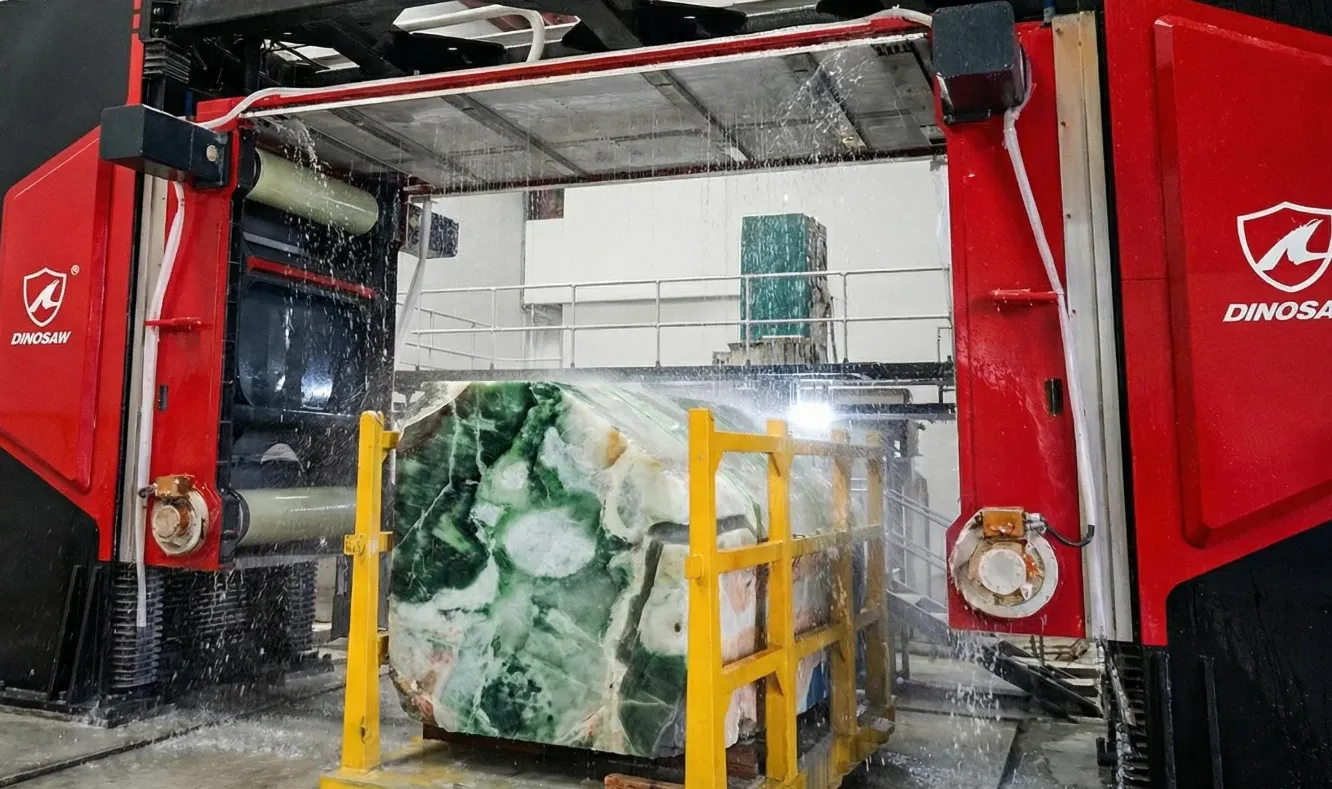
Context : Wet cutting is a key control. In the US, the OSHA PEL for respirable crystalline silica is 50 μg/m³.
Boundaries: Compliance is mandatory and includes providing and enforcing the use of PPE like respirators.
Next Steps: Consult guidance from NIOSH (US) or the HSE (UK) to ensure your safety plan is robust.




 中文
中文 Italian
 Türkçe
 Português
 Español
 Deutsch
 العربية
 Tiếng Việt
 Français
 Русский






 Nov 21, 20254 MIN READ
 English