CNC Wire Saw Technology for Ceramics | Technical Deep Dive
lizzy·Nov 9, 2025·8 MIN READ
lizzy·Nov 9, 2025·8 MIN READ
Explore the engineering principles of our CNC diamond wire saw. Learn about the architecture, core components, and technical advantages for cutting fragile materials.
TL;DR: Key Technical Advantages
Low-Stress Abrasive Process: Unlike blades that apply high force, the Diamond Wire Saw Cutting Machine uses abrasion to slice material. This is the core diamond wire saw principle, preventing micro-cracks and subsurface damage in brittle ceramics.
Sub-Millimeter Precision: The CNC system for cutting, combined with a stable machine architecture, allows for repeatable accuracy under 1mm, enabling complex designs.
Automated & Efficient: Full CNC control over cutting parameters like wire speed, tension, and feed rate ensures optimal performance, minimal waste, and reduced need for constant operator supervision.
Precision Abrasion: The Core of CNC Diamond Wire Saw Technology
For engineers and technicians, the difference between success and failure often lies in the underlying technology. Traditional cutting methods introduce high mechanical stress, which is disastrous for the structural integrity of foamed ceramics, causing fractures and hidden subsurface damage. This is where a fundamental shift in approach is needed, moving from brute force to precision abrasion.
The core of CNC Diamond Wire Saw technology is this exact principle. It replaces the high-impact force of a blade with the controlled, abrasive action of a rapidly moving diamond-beaded wire. This technical distinction is what makes it uniquely suited for processing hard, brittle, and porous materials, preserving their integrity while achieving complex shapes.
What Exactly is a CNC Diamond Wire Saw
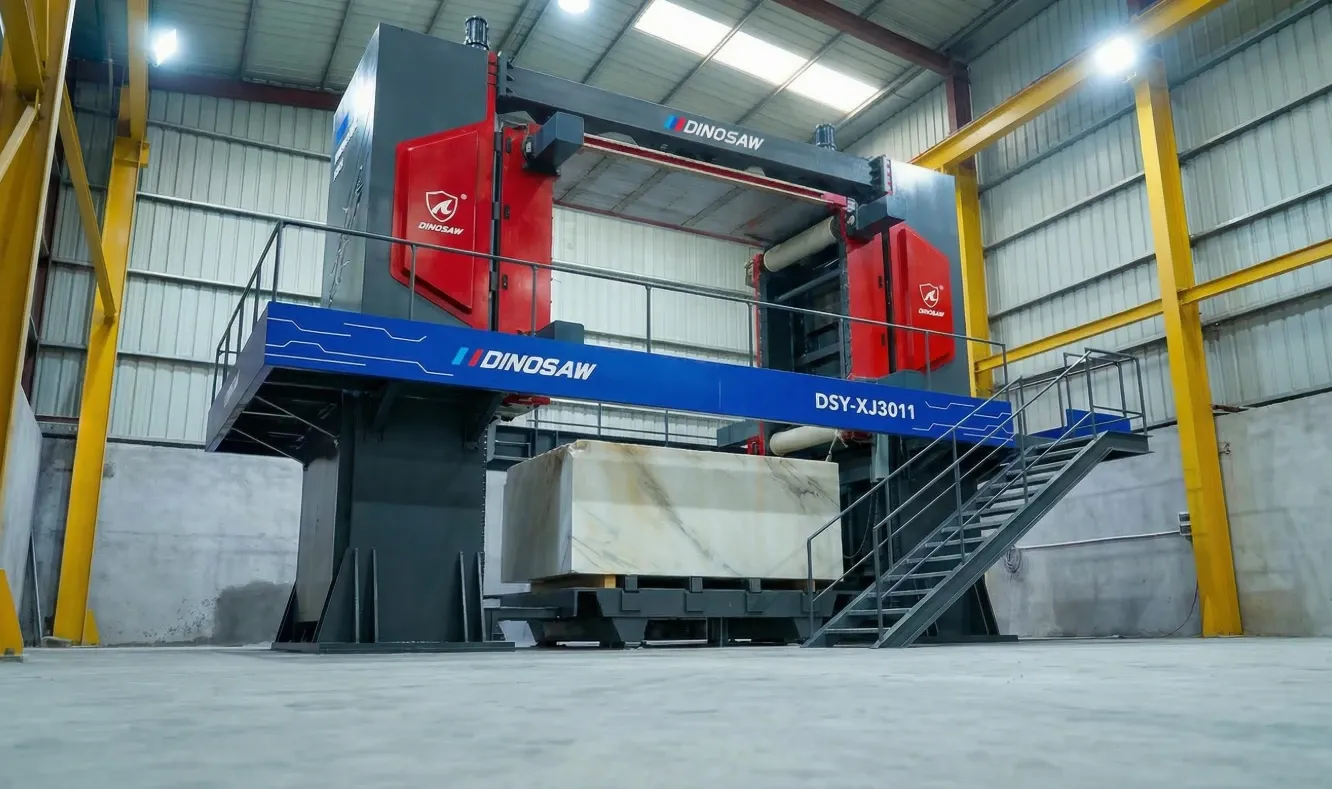
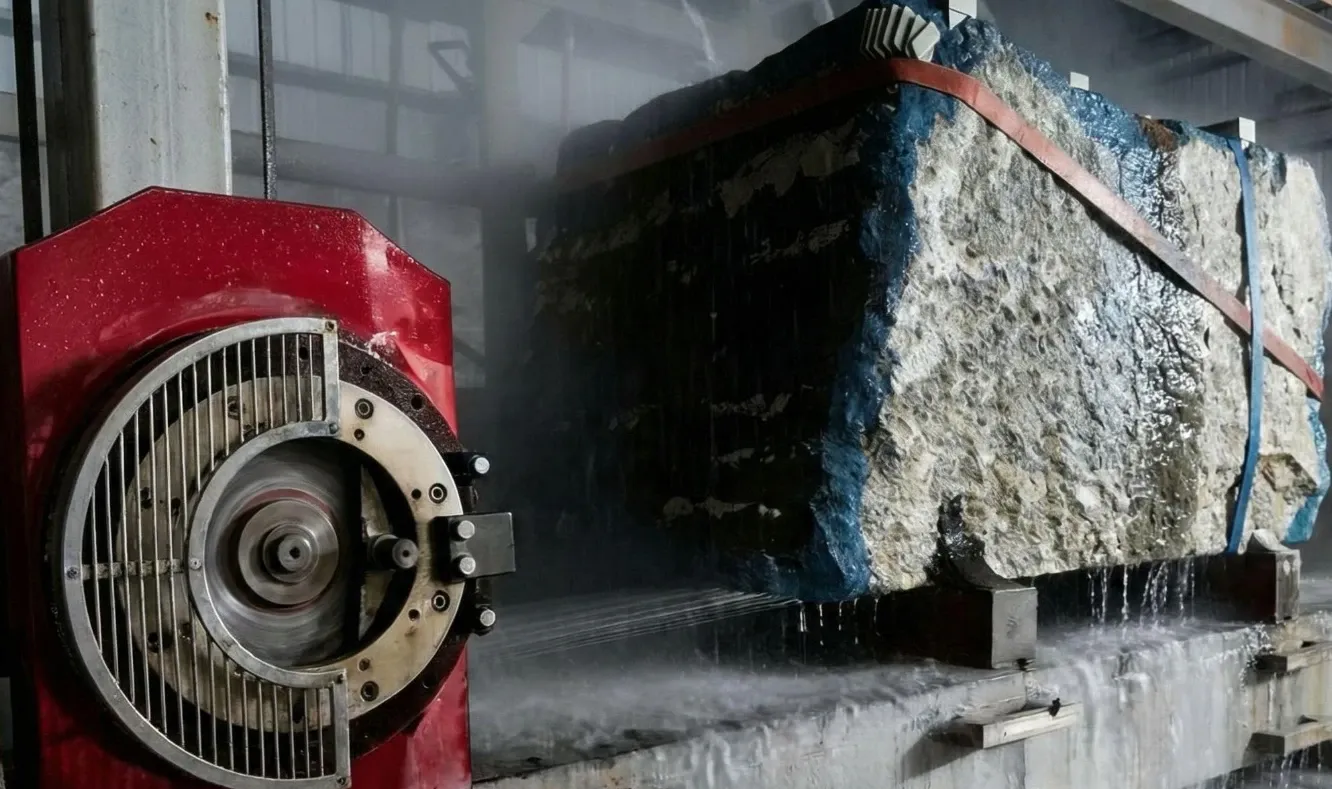
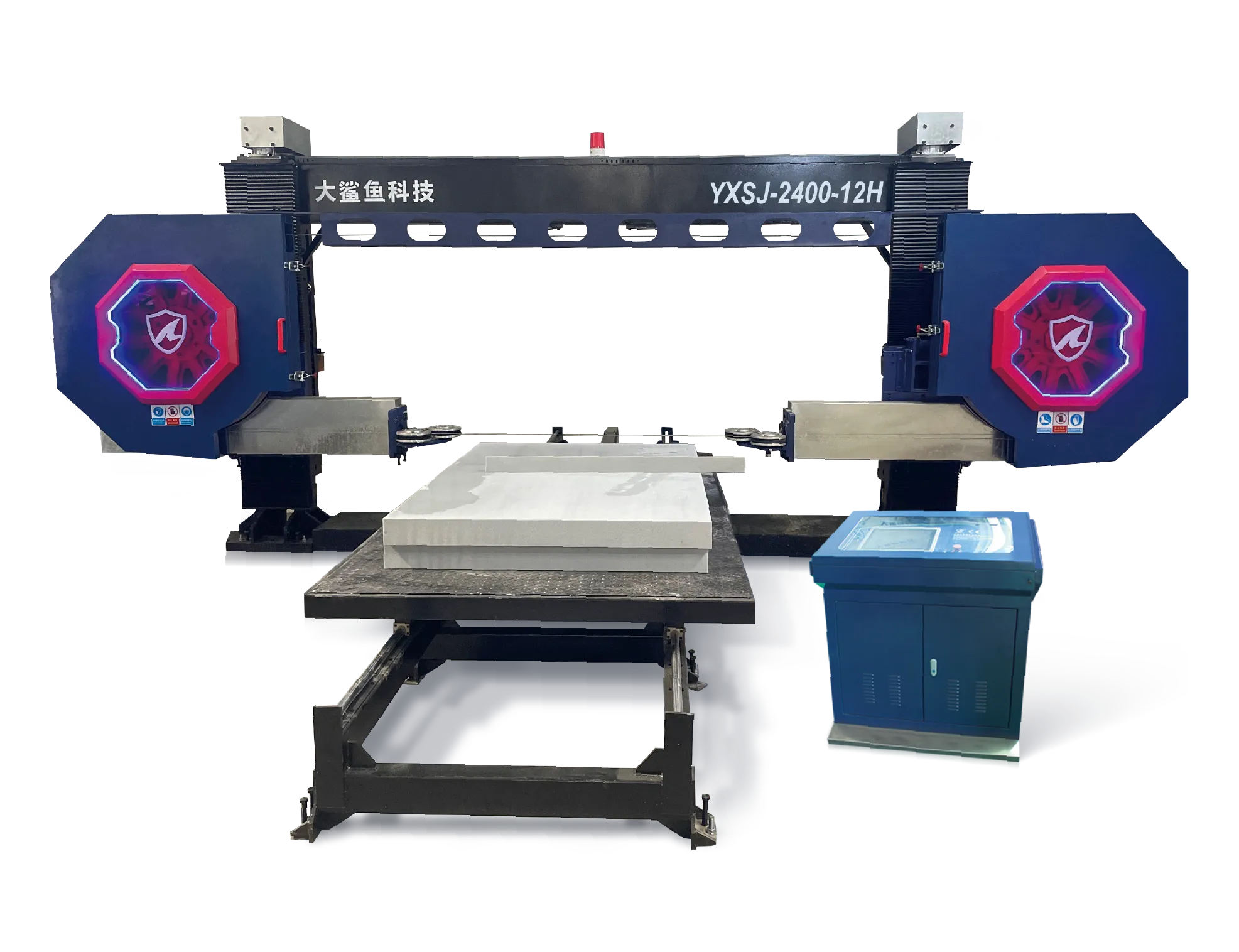
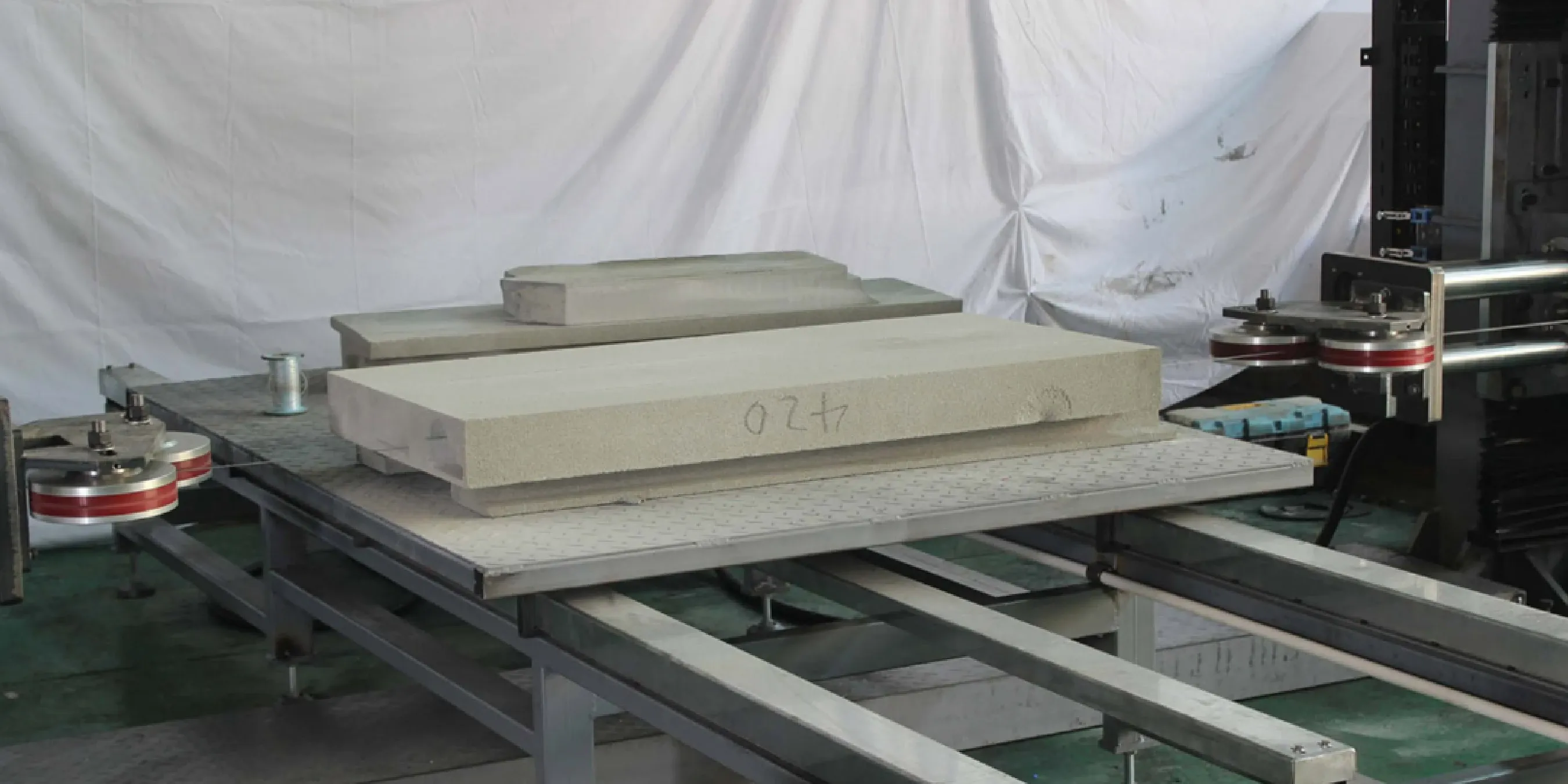
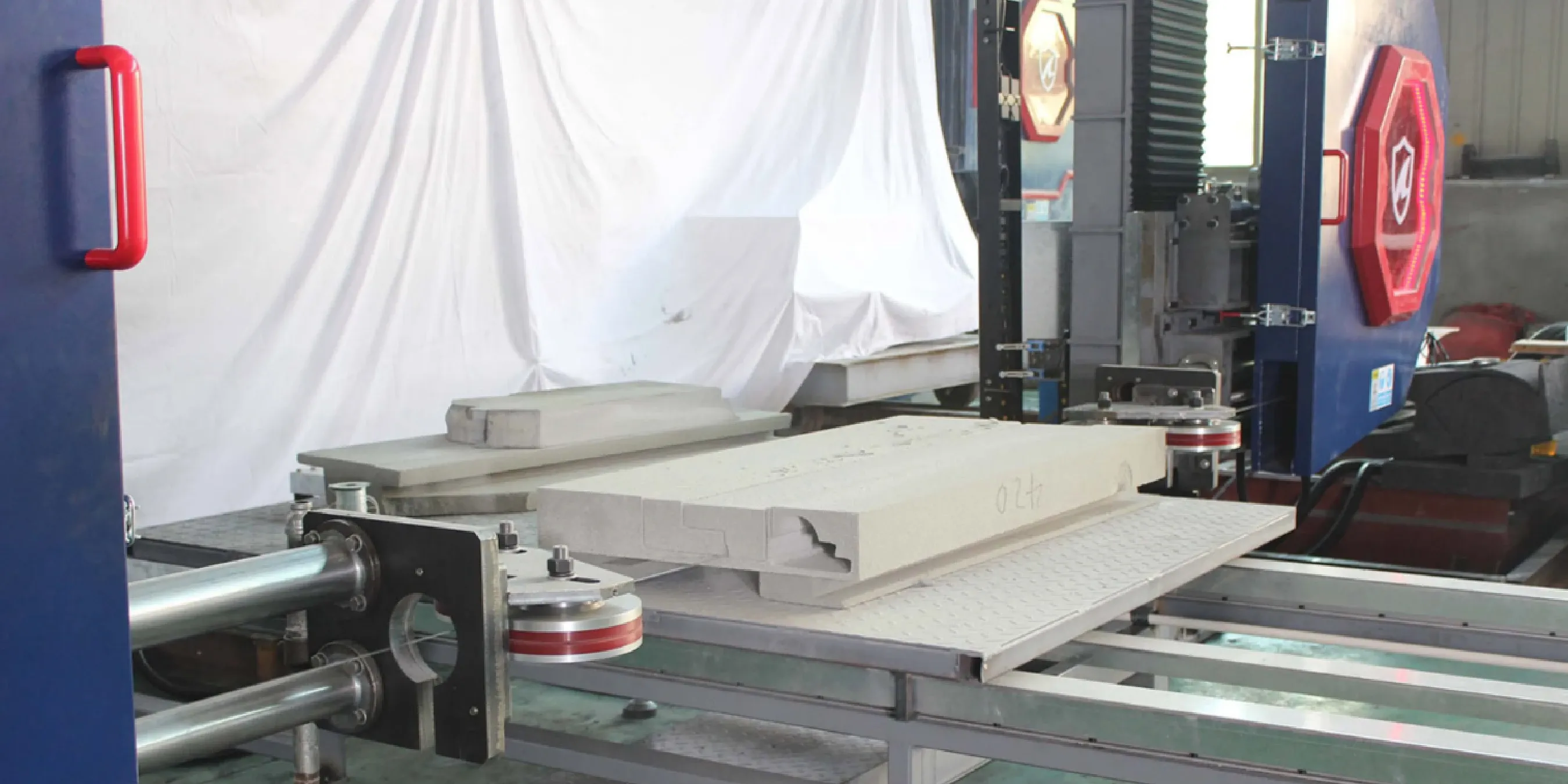
Technically, a CNC diamond wire saw is an automated machine tool that uses a continuous loop of steel wire, impregnated or coated with diamond particles, to slice through materials. The wire is guided by a series of pulleys and driven at high speed. The workpiece is held stationary or moved by a multi-axis CNC system, allowing the wire to perform intricate cuts based on a digital design (CAD) file. The process is one of pure abrasion, where millions of tiny diamonds grind away the material, resulting in a smooth, precise cut with minimal force exerted on the workpiece.
System Principles & Architecture: How It All Works Together
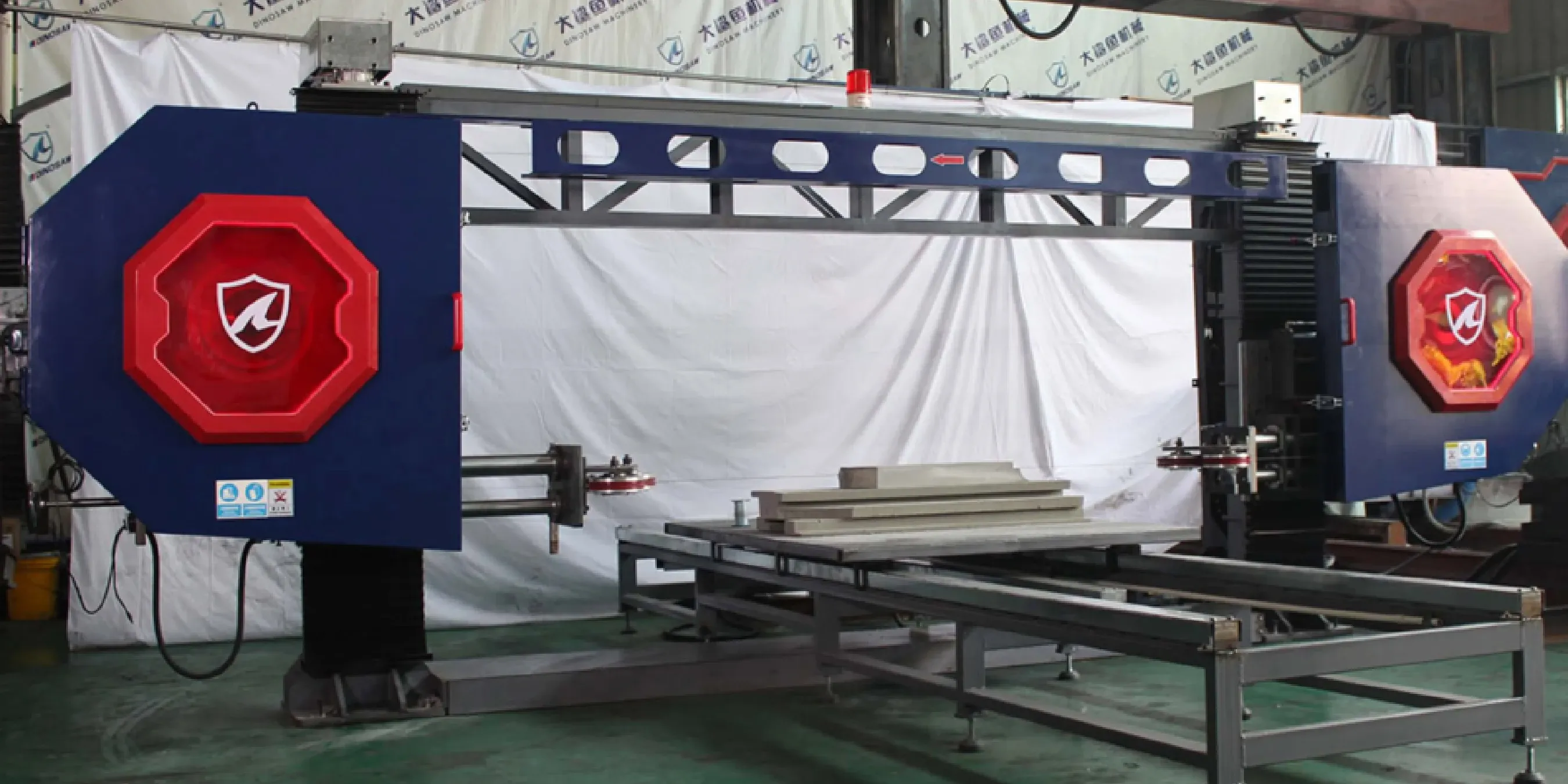
The machine's effectiveness comes from the seamless integration of its mechanical and electronic systems. Each component has a specific role, governed by the central CNC controller to execute a cut with precision. The core architecture ensures stability and accuracy throughout the abrasive cutting process.
System Architecture Overview
Module
Role
Connections
Notes
CNC Controller
Central control, executes G-code and manages IO
Connects to Servo Motors (X/Y/Z/A/C), Wire Drive System, Automatic Tensioning Unit, Workpiece Table sensors
Provides closed-loop control and parameter management
Servo Motors (X, Y, Z, A, C)
Positioning for multi-axis motion
Controlled by CNC; feedback via encoders to CNC
Enables complex 2D/3D paths
Wire Drive System
Drives the diamond wire loop
Receives start/stop/speed commands from CNC; mechanical link to Guide Pulleys
Houses wire speed actuator
Guide Pulleys
Guide and stabilize wire path
Mechanical interface with Wire Drive System; monitored by CNC via sensors
Co‑planarity critical to accuracy
Automatic Tensioning Unit
Maintains constant wire tension
Receives target tension from CNC; feedback sensor to CNC
Prevents breakage and wandering
Workpiece Table
Secures workpiece fixturing
Receives clamp/interlock signals to CNC; may integrate probing sensors
Rigid, vibration‑damped foundation
Cooling & Slurry Management
Water cooling and slurry capture
Interlocks to CNC for flow status; interfaces with sump/pump
Default water‑cooling; manage slurry flow
Safety & Interlocks
E‑stops, guards, limit switches
Hardwired to CNC safety IO
Must be active for motion enable
Power & Drives
Power distribution and motor drives
Supplies servo amplifiers and auxiliary systems
Sized to machine envelope
Note: Arrows/flows in the original diagram are represented here as 'Connections' relationships.
Precision & Automation: The closed-loop control between the servo motors and the CNC system allows for real-time position correction, achieving sub-millimeter accuracy. Once a program is loaded, the machine can run with minimal intervention, ensuring consistency across hundreds of parts. This is a key advantage of modern CNC stone cutting automation.
Low Kerf & Minimal Waste: Kerf, or the width of the cut, is directly related to the diameter of the cutting tool. With a diamond wire diameter often under 2mm, the kerf loss is significantly less than that of a 5mm or thicker blade saw. For expensive materials like zirconia foam, this reduction in waste translates directly to cost savings.
Minimal Micro-Cracks: The primary advantage for foamed ceramic properties is the avoidance of subsurface damage. Studies, such as those on diamond wire sawing of sapphire and silicon, confirm that the abrasive mechanism generates far less mechanical stress than impact-based cutting. This prevents the formation of microcracks that compromise the material's strength, a critical factor in technical ceramics. For example, research published in Engineering Fracture Mechanics highlights how subsurface damage is a key indicator of cutting quality.
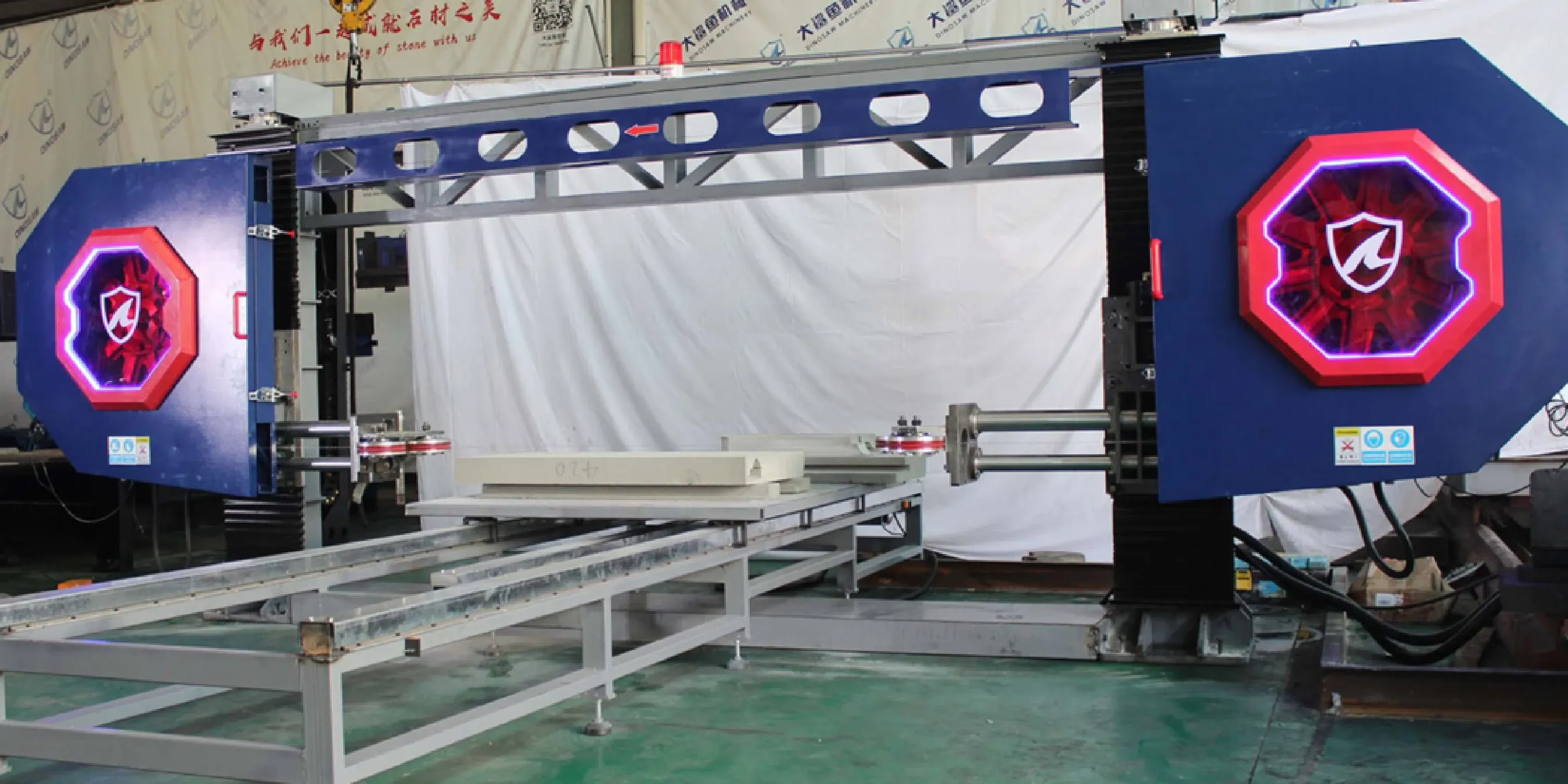
5 Key Components & Parameters
1. Diamond Wire
The specification of the diamond wire is critical. Different types are suited for different materials.
Diameter: 0.55mm to 2.5mm. Thinner wire for finer cuts, thicker for durability.
Diameter: typically 3–4 mm for foamed ceramic line cutting; specialty finer or thicker wires may be used for specific materials and geometries.
Lifespan guideline (foamed ceramic line profiles): approximately 5000 meters per wire under balanced cutting conditions (Observed on Big Shark foamed ceramic wire saw with stable tension control, lower breakage); optimize tension, speed, and feed to reach this target.
2. Guide Pulleys
Precision-machined pulleys ensure the wire runs true, preventing vibration and premature wear.
Material: Hardened steel or ceramic-lined for wear resistance.
Alignment: Must be perfectly co-planar to prevent wire twisting.
3. Automatic Tensioning System
Maintains constant wire tension control, which is vital for cut accuracy and preventing wire breakage.
Mechanism: Typically pneumatic, hydraulic, or spring-loaded systems that compensate for wire stretch.
4. CNC Control System
The brain of the operation, translating digital designs into precise physical movements.
Compatibility: Supports standard G-code and DXF files from CAD/CAM software like AutoCAD, SolidWorks, or Rhino.
5. Cooling and Dust Control
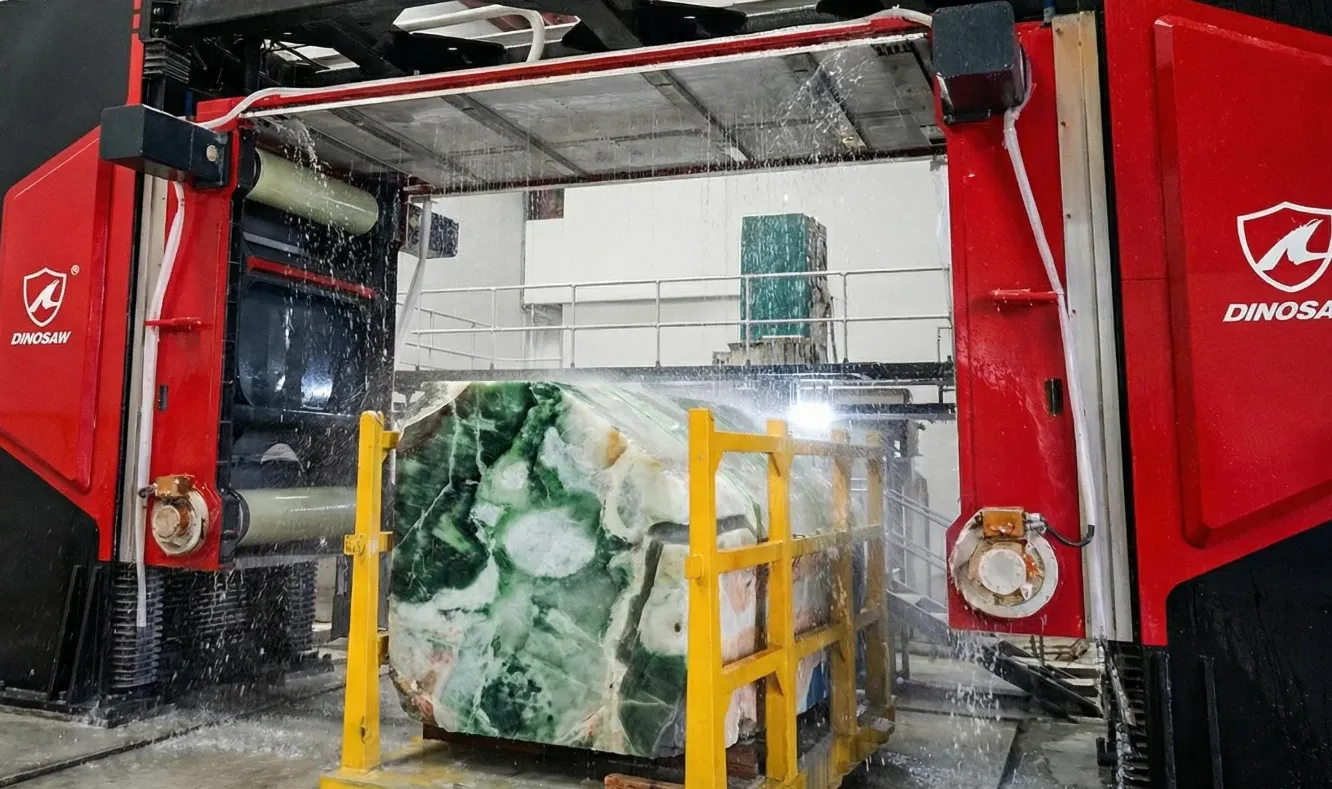
Essential for managing heat, clearing debris from the cut, and controlling dust. For foamed ceramics, the typical setup uses water cooling, as most wire saws run with a water coolant. Air cooling or special coolants are used in specific scenarios depending on the material and geometry.
Cooling Options: Water cooling is standard. It effectively manages heat and flushes out slurry. However, for highly porous materials, the process must account for potential water absorption and subsequent drying steps. In special cases, air blow or minimal mist may be used. A vacuum shroud for dust/slurry extraction is mandatory for compliance with OSHA standards.
Common Failure Modes & Mitigation in CNC Diamond Wire Sawing
Run CNC calibration routine; ensure workpiece is secure; check machine for mechanical wear.
Compatibility: PLC/OPC UA/Profinet for CNC Stone Cutting Automation
For integration into automated production lines, the machine's control system can be equipped to communicate with factory-level management systems. This allows for centralized job scheduling and monitoring. Standard industrial protocols such as OPC UA, Profinet, or direct PLC integration can be supported, enabling Industry 4.0 capabilities. For more guidance on integrating automation, see our CNC Stone Routing Guide.
Recommended Starting Parameters for Foamed Ceramic Cutting
The following are general starting points for cutting parameters. These must be optimized for your specific material and desired finish.
Material
Wire Speed
Feed Rate
Tension
Alumina Foam
typically 12–20 m/s
commonly 300–800 mm/min
around 160–220 N
Silicon Carbide (SiC) Foam
typically 10–18 m/s
commonly 200–600 mm/min
around 180–240 N
Porous Zirconia
typically 10–16 m/s
commonly 180–500 mm/min
around 190–250 N
* Values are starting points and should be optimized via small trial cuts.
Frequently Asked Questions (FAQ)
How is wire tension measured and controlled?
Tension is maintained automatically by a dedicated pneumatic or servo-driven tensioner system.
Context: Consistent tension is vital for cut accuracy and preventing wire breakage. The system applies a constant force to a pulley on a movable slide, compensating for any wire stretch during operation.
Procedure: An electronic sensor provides real-time feedback to the CNC controller, which adjusts the tensioner to maintain the programmed value (e.g., 200N) throughout the entire cut.
Next Step: Ensure the tension value in the cutting parameters is set according to the wire manufacturer's specification for the material you are cutting.
What is the difference between an electroplated and a sintered diamond wire?
The main difference is durability and cost, which determines the best application for each.
Context: Electroplated wires have a single layer of diamonds bonded to the core. They are less expensive but have a shorter lifespan. Sintered wires have diamonds mixed into a metal matrix that is fused to the core, exposing new diamonds as the wire wears.
Procedure: Use electroplated wires for softer, less abrasive materials or for short-run jobs where cost is a primary concern. Use more durable sintered wires for hard, abrasive ceramics like SiC or for long production runs.
Next Step: Consult our materials compatibility guide or speak with a technician to select the most cost-effective wire for your specific application.
How critical is the cooling system for cutting foamed ceramics?
Cooling is essential, and most wire saws use water cooling for foamed ceramics to manage heat, control dust, and clear slurry from the cut.
Context: Water cooling is typical for both foamed ceramics and stone. It effectively removes heat from the wire and workpiece, prolongs wire life, and suppresses hazardous dust by creating a manageable slurry.
Procedure: Ensure a consistent flow of water is directed at the cutting point. The system should capture the resulting slurry for proper filtration and disposal, preventing environmental contamination and maintaining a clean work area.
Next Step: For highly porous materials, factor in a post-cutting drying stage into your workflow. If water absorption is a critical issue, discuss alternative cooling options like specialized coolants with the manufacturer.
Can the machine’s axes be upgraded later?
This depends on the base architecture of the specific machine model.
Context: Some models are designed with a modular framework that allows for the future addition of a rotational axis (A/C axis) or a tilting head. Others have a fixed architecture where such an upgrade is not feasible.
Procedure: An axis upgrade is a significant modification that involves both new hardware and software integration. It is not a simple bolt-on addition.
Next Step: If you anticipate needing more axes in the future, it is critical to discuss this during the initial purchase consultation to ensure you select a machine with an upgrade path.
What does ‘subsurface damage’ mean in the context of cutting ceramics?
Subsurface damage (SSD) is a layer of micro-cracks that forms just below the cut surface.
Context: SSD is caused by the mechanical and thermal stress of the cutting process. In technical ceramics, this damage can compromise the finished part's mechanical strength and long-term reliability, even if it's not visible.
Procedure: Low-stress methods like diamond wire sawing are used to minimize SSD. The abrasive action grinds away material gently, unlike the high-impact force of a blade, which is why it is the superior method for cutting critical ceramic components.
Next Step: When evaluating cutting technologies, consider not just the surface finish but also the impact on subsurface integrity, as detailed in academic papers like this one from MDPI.




 中文
中文 Italian
 Türkçe
 Português
 Español
 Deutsch
 العربية
 Tiếng Việt
 Français
 Русский






 Nov 9, 20258 MIN READ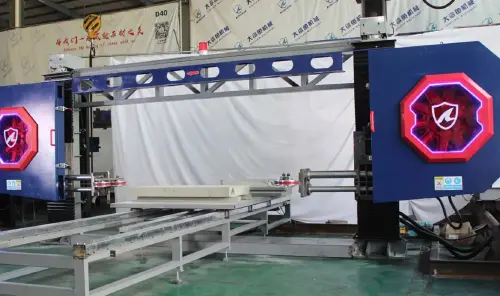
 System Principles & Architecture: How It All Works Together
 5 Key Components & Parameters
 Common Failure Modes & Mitigation in CNC Diamond Wire Sawing
 Frequently Asked Questions (FAQ)
 English