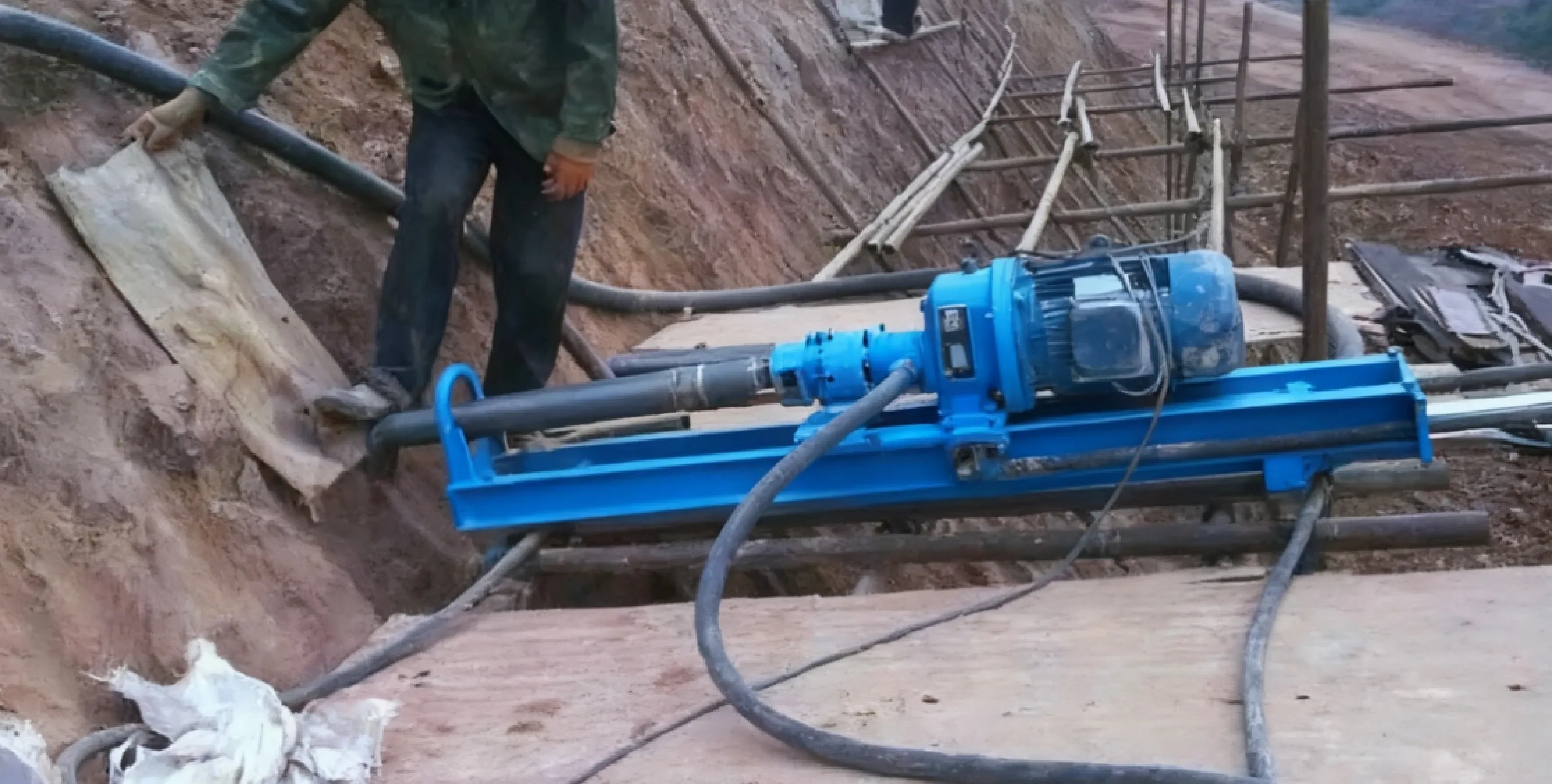
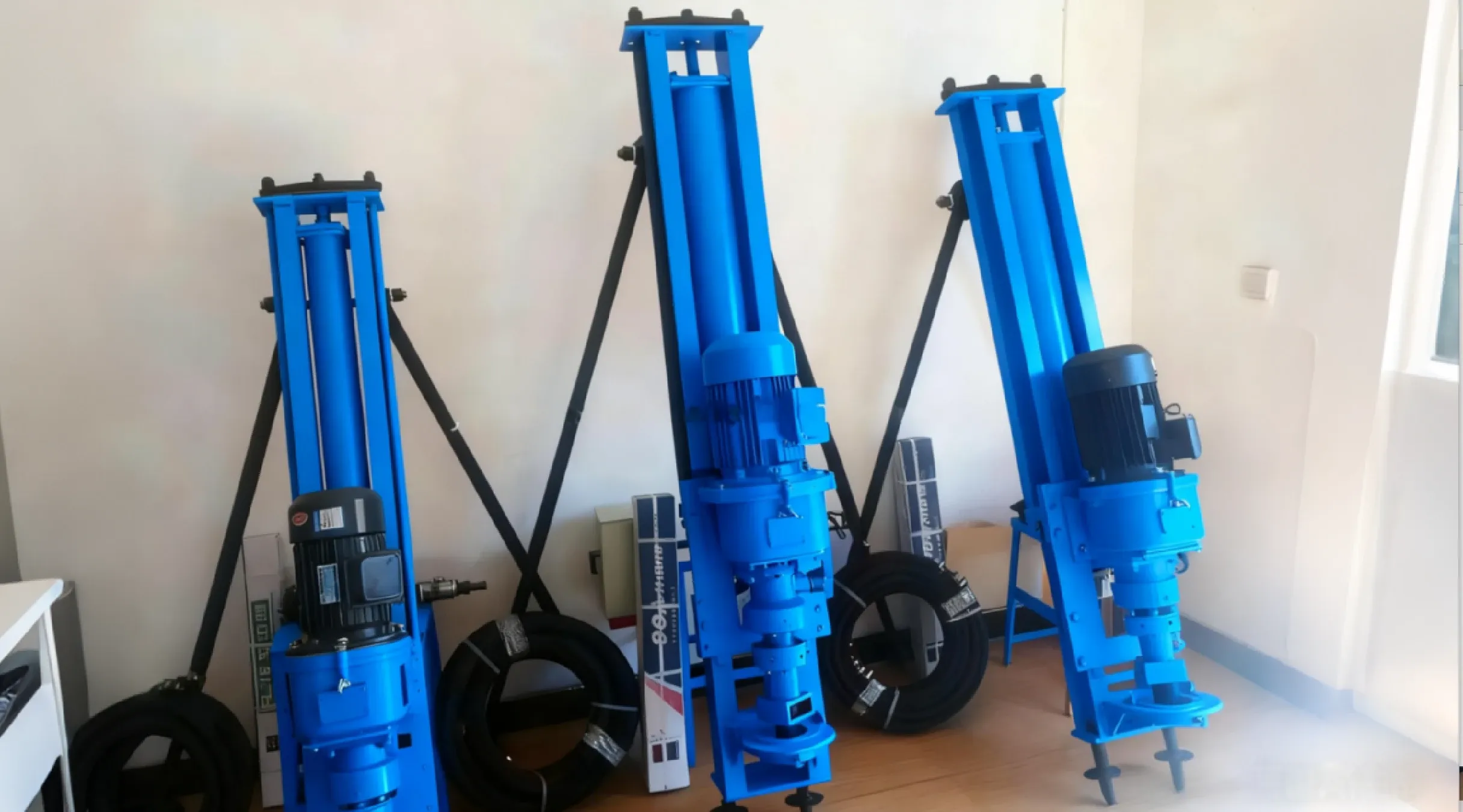
For a quarry operator, a DTH drilling rig is the engine of production. Unplanned downtime isn't just an inconvenience; it's a direct hit to your bottom line. Proper maintenance isn't a cost—it's your best investment in uptime and performance. This handbook provides actionable checklists and systematic troubleshooting flows designed to maximize the life and efficiency of your quarry drilling rig. By transforming routine checks and proactive problem-solving into standard practice, you can prevent minor issues from becoming major failures.
Standard Operating Procedures (SOPs) for Daily Use
Consistency is key to safety and reliability. Integrate these checks into your daily pre-operation routine.
Safety Checks:Confirm all safety guards are in place, emergency stops are functional, and the work area is clear. Ensure proper PPE for quarry drilling (hard hat, safety glasses, hearing protection, respirator) is in use.
Lubrication Check:Verify the in-line lubricator (oiler) is full of rock drill oil. A DTH hammer running dry will fail rapidly.
Consumables Check (Drill Bit & Rods):Inspect the button bit for excessive or uneven wear, broken buttons, or cracks. Check the drill rod coupling threads for damage or dirt.
Hoses and Fittings Check:Look for any leaks, cracks, or abrasion on all air and hydraulic hoses. Tighten any loose fittings.
Dust Suppression System Check:If using a wet drilling kit, ensure the water tank is full and the pump is operational. For dry collectors, check that the filters are clean and the vacuum is working.
Troubleshooting Common Drilling Issues
When problems arise, a systematic approach saves time and prevents misdiagnosis. Use this table for troubleshooting drilling issues.
Symptom
Likely Cause
Solution
Slow Drilling Penetration Rate
1. Insufficient air from compressor.
2. Worn or incorrect button bit for granite/rock type.
2. Replace bit; ensure it's correct for the formation.
3. Check and refill the in-line oiler.
Stuck Drill String
1. Poor flushing of cuttings.
2. Hole collapse in fractured ground.
1. Ensure sufficient air volume.
2. Avoid over-drilling in unstable zones; use casing if necessary.
High Hole Deviation
1. Improper collaring (starting the hole).
2. Excessive feed pressure.
1. Start the hole with reduced rotation and feed.
2. Reduce feed pressure to match rock conditions. Proper hole deviation control is key.
Premature Hammer Failure
1. Lack of lubrication.
2. Contaminants (water/dirt) in the airline.
3. "Dry firing" (running hammer without load against rock).
1. Maintain a strict lubrication schedule.
2. Check air filters and drain water traps daily.
3. Engage the bit with the rock before applying full power.
Preventive Maintenance Schedule
Follow this schedule for the maintenance of your DTH hammer and rig to ensure long-term reliability.
Daily Checks (Every 8 Hours)
Check rock drill oil level in lubricator.
Inspect drill bit for wear and damage.
Clean and grease drill rod coupling threads.
Drain water from air compressor tank and filters.
Weekly Checks (Every 40 Hours)
Inspect all hydraulic and air hoses for wear.
Check hydraulic oil level and filters.
Clean dust collector filters.
Check torque of all critical bolts and nuts.
Monthly Checks (Every 150 Hours)
Disassemble and clean the DTH hammer.
Inspect internal hammer components for wear.
Change engine and compressor oil/filters.
Quarterly/Annual Checks
Comprehensive inspection of the rig's structural components.
Full hydraulic system service.
Follow manufacturer-specific recommendations for major component service.
Safety & Compliance on Site
A productive site is a safe site. Compliance isn't optional.
Dust Suppression:Drilling generates silica dust, a known carcinogen. Engineering controls are the first line of defense. The U.S.Occupational Safety and Health Administration (OSHA)mandates the use of systems like wet drilling kits or certified dust collectors.
Hearing Protection:DTH drilling noise levels can exceed safe limits. TheCDC's NIOSH Mining Program provides extensive research on hearing loss prevention in mining. Always wear appropriate hearing protection.
Lockout/Tagout (LOTO):Before performing any maintenance, always de-energize and lock out the machine according to established LOTO procedures to prevent accidental startup.
FAQs on DTH Maintenance
How much oil does a DTH hammer need?
It needs a continuous, small supply of rock drill oil, typically around 1-2 pints per hour of operation, but this varies by hammer size.
Context:The in-line lubricator creates an oil mist in the airline to constantly coat the hammer's internal piston and components, preventing metal-on-metal wear.
Next Step:Check your hammer's specific manual for the recommended oil flow rate and fill the lubricator at the start of every shift.
When should I replace my rock drill bit?
Replace the bit when the carbide buttons are worn flat, chipped, or when the bit body shows excessive wear, as drilling with a worn bit drastically reduces performance.
Context:A sharp bit fractures rock efficiently. A worn, flat bit pulverizes it, which is far less effective and puts more strain on the rig and hammer.
Next Step:Create a wear gauge or "no-go" template and check your bits daily. Consider investing in a bit sharpening system to extend life.
What's the first thing to check if my drilling speed drops?
The very first thing to check is your air supply—confirm the compressor is delivering the correct pressure (PSI/bar) and volume (CFM) to the rig.
Context:An underpowered air supply is the most common cause of a sudden drop in drilling penetration rate. The hammer is literally starved for the energy it needs to operate.
Next Step:Check the pressure gauge on the rig while drilling. If it's below the hammer's recommended operating pressure, check the compressor and air lines for issues.
How often should I do a full maintenance of the DTH hammer?
A full disassembly, cleaning, and inspection should be performed according to the manufacturer's schedule, typically every 150-300 operating hours.
Context:This allows you to catch wear on internal components like the piston, check valve, and wear sleeve before they fail, preventing a catastrophic and costly breakdown.
Next Step:Order a service kit before you start the maintenance, and follow the disassembly/reassembly instructions in the service manual meticulously.
Is it okay to mix different brands of drill rods?
No, it is strongly discouraged as differences in metallurgy and thread design can cause connection failures, energy loss, and even a lost drill string.
Context:A drill string is a precision system. The drill rod coupling is designed to create a seamless transfer of energy and torque. Mismatched components compromise this system.
Next Step:Always use high-quality rods from a single, reputable supplier that match your rig and hammer specifications.
What's the best way to clean drill rod threads?
Use a wire brush to remove all dirt, rock dust, and old grease, then wipe clean before applying a fresh, even coat of thread grease.
Context:Clean threads ensure proper make-up torque and prevent galling (thread damage) and air leaks, which rob the hammer of power.
Next Step:Make this a mandatory part of your daily routine whenever adding or removing rods from the drill string.





 中文
中文 Italian
 Türkçe
 Português
 Español
 Deutsch
 العربية
 Tiếng Việt
 Français
 Русский






 Oct 28, 20255 MIN READ
 English